
We may earn money or products from the companies mentioned in this post. This means if you click on the link and purchase the item, I will receive a small commission at no extra cost to you … you’re just helping re-supply our family’s travel fund.
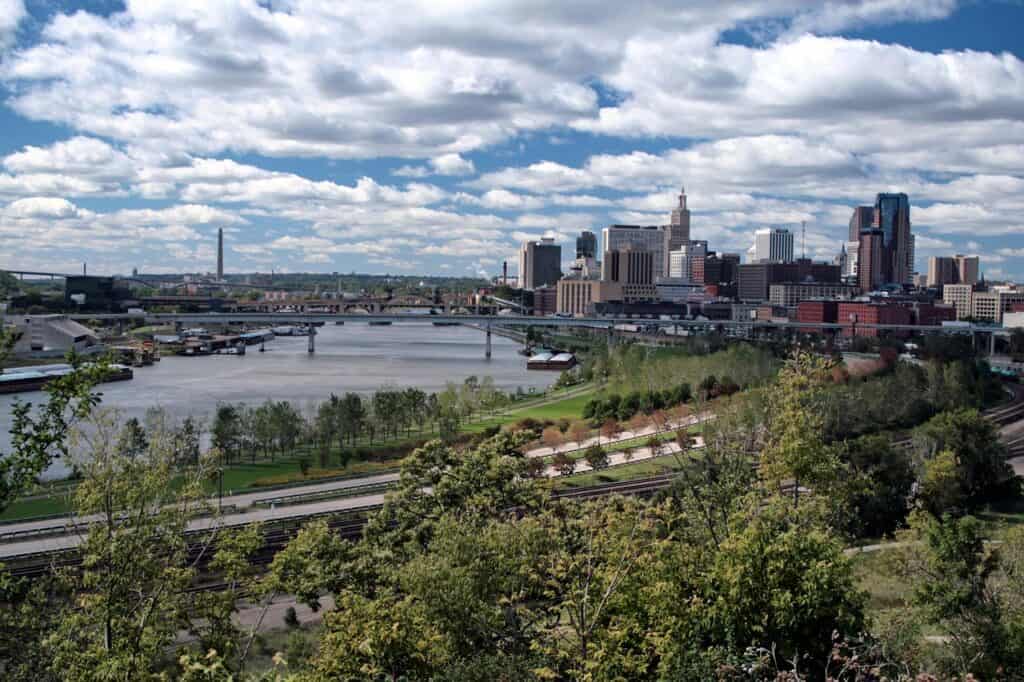
Family trips run smoother when trains and buses connect the dots. Parking fades, costs drop, and everyone arrives together instead of circling for a spot. In the cities below, transit reaches museums, zoos, beaches, ballparks, and airports with reliable frequency and easy wayfinding. Stroller access keeps stress low, fare options simplify budgets, and walking distances shrink between stops and sights. What this really creates is time: more of it for parks and meals, less of it lost to traffic and tickets.
New York City, New York
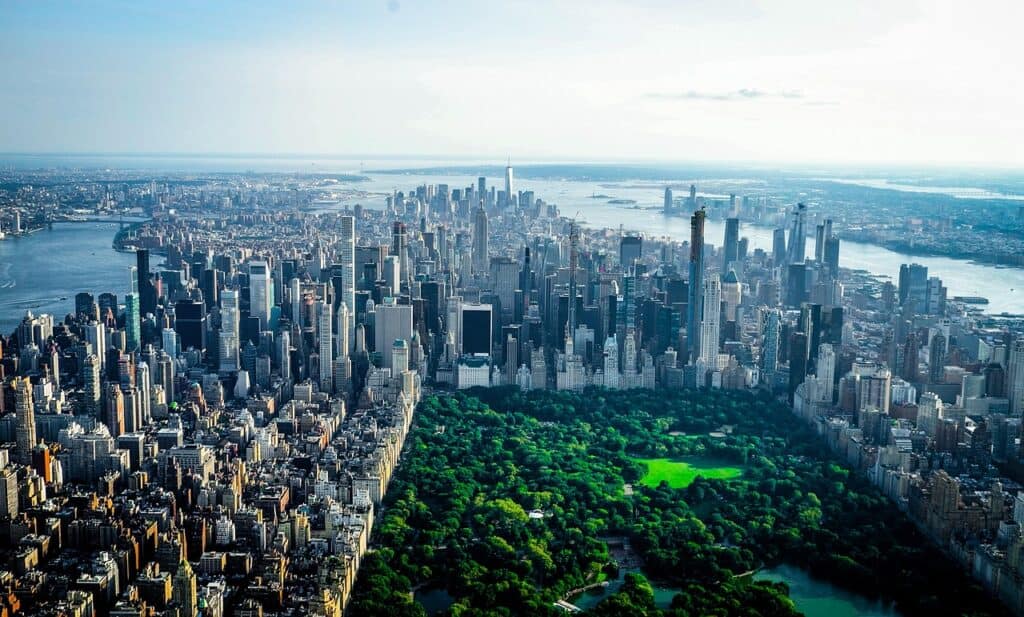
Subway lines cut straight to major museums, zoos, and ballparks, while buses fill the gaps with all-door boarding and frequent service. Tap-to-pay makes fares painless, and unlimited passes flatten costs over busy days. Elevators and wide turnstiles keep strollers moving at big hubs, and ferries add calm rides with skyline views. Neighborhoods stack attractions close to stations, so a day can hop from park to bakery to show without a car hunt. Even late, trains keep plans flexible.
Washington, D.C.

Metrorail ties together the Smithsonian, the National Zoo, and the monuments with simple color-coded lines, and off-peak fares keep budgets steady. The Circulator bus adds short, frequent loops that make big walks optional, especially around the Mall. Elevators, wide platforms, and predictable headways help families move without drama. Stations drop riders within steps of lawns, museums, and food trucks, so energy lands on the good parts of the day. Parking rules fade into background noise.
Boston, Massachusetts
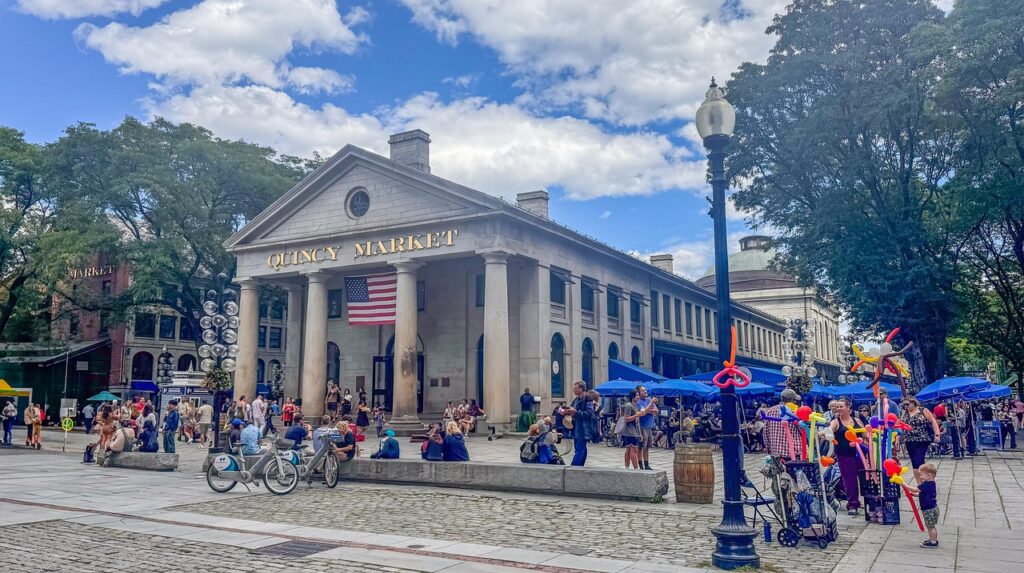
Compact neighborhoods and the T’s spoke-and-hub layout make transfers quick, and most major sights sit a short walk from stations. Commuter rail adds easy day trips to beaches and historic towns, while ferries open harbor views that feel like a bonus ride. Stations are well signed, and day or weekly passes simplify planning. It is a city where a stroller fits under a portico, a bakery waits near a stop, and history shows up block by block without parking meters.
Chicago, Illinois
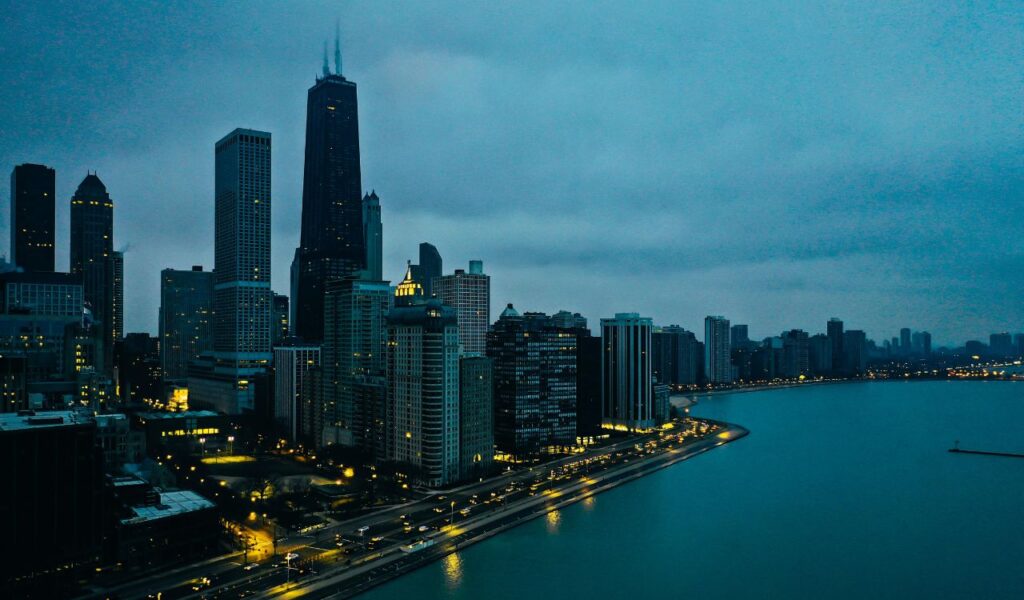
The L reaches both airports, downtown museums, and lakefront trails, so itineraries avoid car seats and parking garages. CTA buses run dense grids that shrink long walks, and Metra pushes farther for suburbs and ballparks. Ventra fares cap daily spend, which helps groups moving all day. Stations sit near playgrounds, beaches, and diners that welcome families without reservations. Even in winter, sheltered platforms and underground links keep transfers civilized and schedules intact.
San Francisco, California
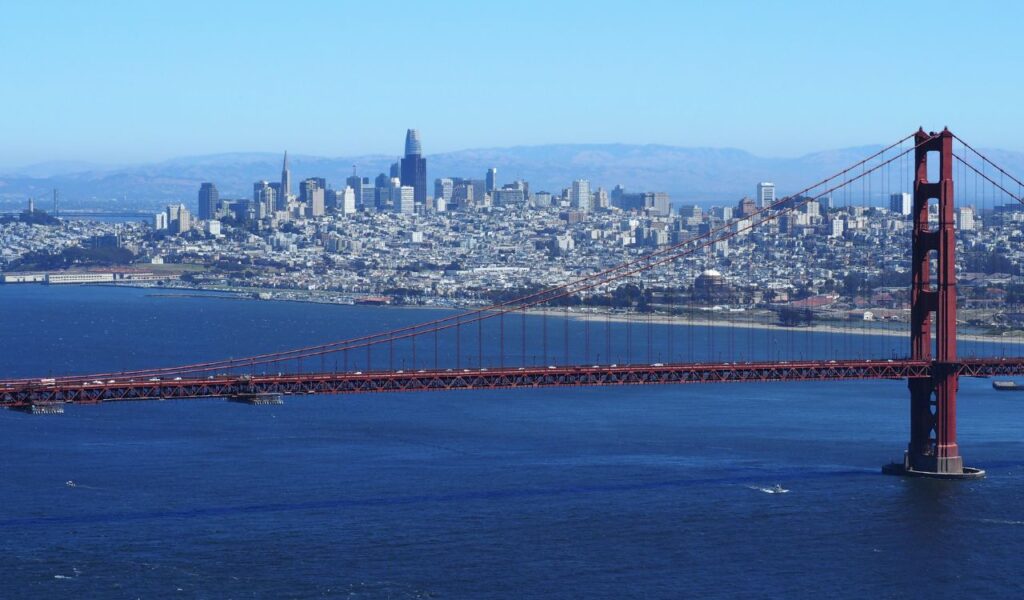
Muni, BART, and ferries weave together a network that makes hills and tight streets feel irrelevant. BART lands directly from the airport; Muni’s all-door boarding keeps buses flowing; ferries turn a commute into a bay cruise with seals and sails. Streetcar and cable car lines double as rides and attractions, saving time while delivering grins. With transit-only lanes and frequent service, families move from parks to piers to neighborhoods without meter-watching or steep garage rates.
Philadelphia, Pennsylvania
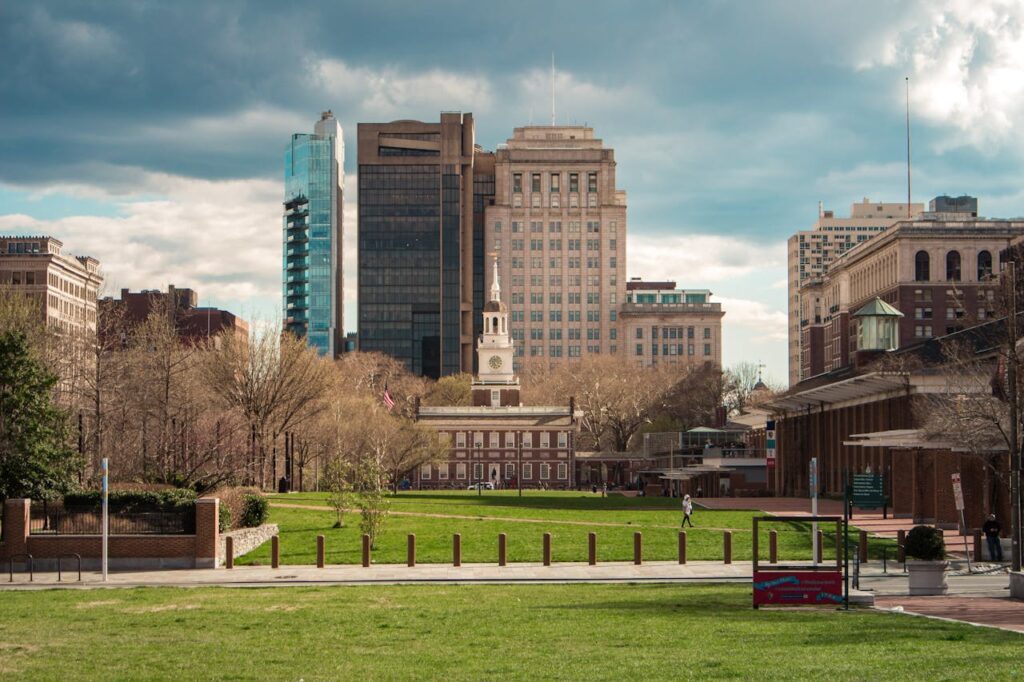
SEPTA’s blend of subway, trolleys, and buses puts the historic core on a single, walkable map. Day passes keep costs predictable, and frequent service links Reading Terminal Market, the Parkway museums, and stadiums without detours. Many stops sit within short blocks of playgrounds, pocket parks, and casual food, which keeps moods steady between sights. Regional Rail adds quick hops to the zoo or outlying gardens, so a full day fits neatly into trains instead of traffic.
Seattle, Washington
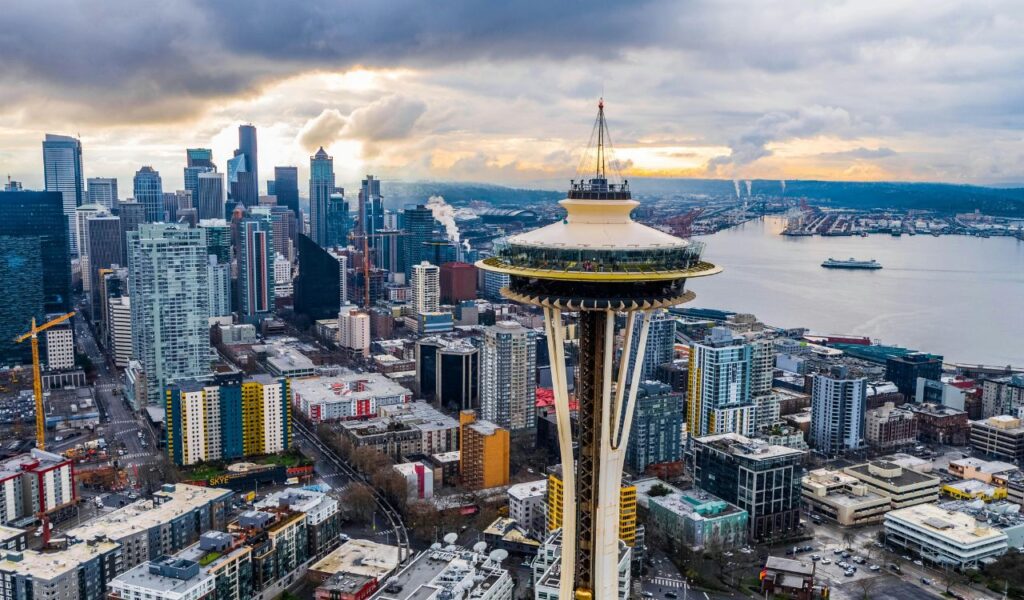
Link light rail ties the airport to downtown and the University District, with trains that swallow strollers and luggage calmly. RapidRide buses bring frequent service to lakes, parks, and family neighborhoods, while ferries turn Puget Sound into part of the plan. ORCA tap cards work across modes, so transfers feel seamless and costs stay clear. With clear maps, frequent headways, and stops near food halls and museums, days stretch long on scenery and short on stress.
Portland, Oregon
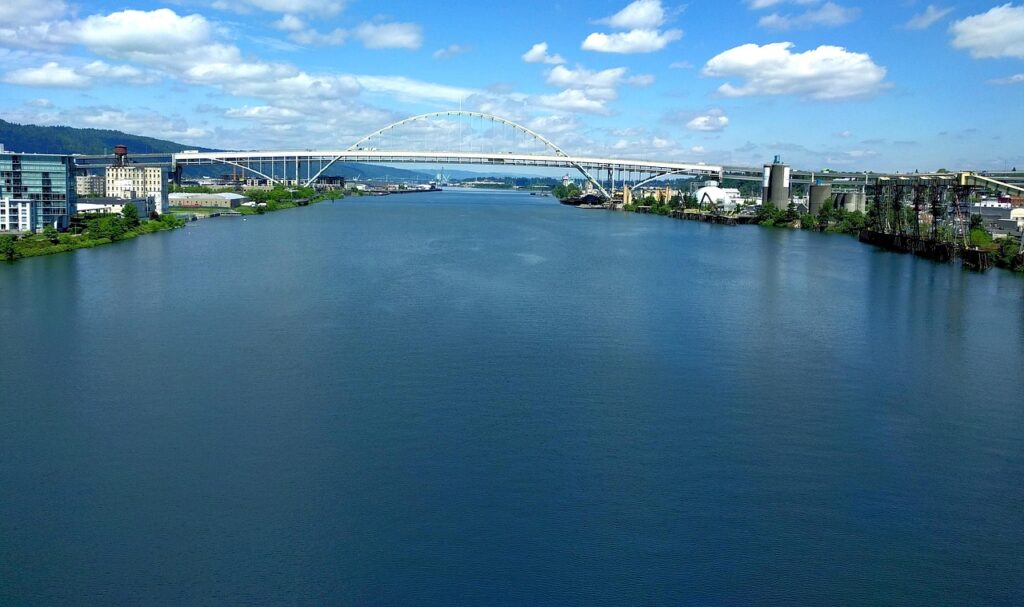
MAX light rail reaches the airport, zoo, and downtown in straight shots, and the streetcar stitches together parks, bookstores, and river paths with predictable loops. Day passes cap fares after a couple rides, letting families jump on and off without counting. Low-floor vehicles and level boarding simplify strollers, and bike-friendly rules suit older kids. Distances are gentle, food carts cluster near stops, and the Willamette keeps orientation easy. Car keys can nap in the suitcase.
Minneapolis–Saint Paul, Minnesota
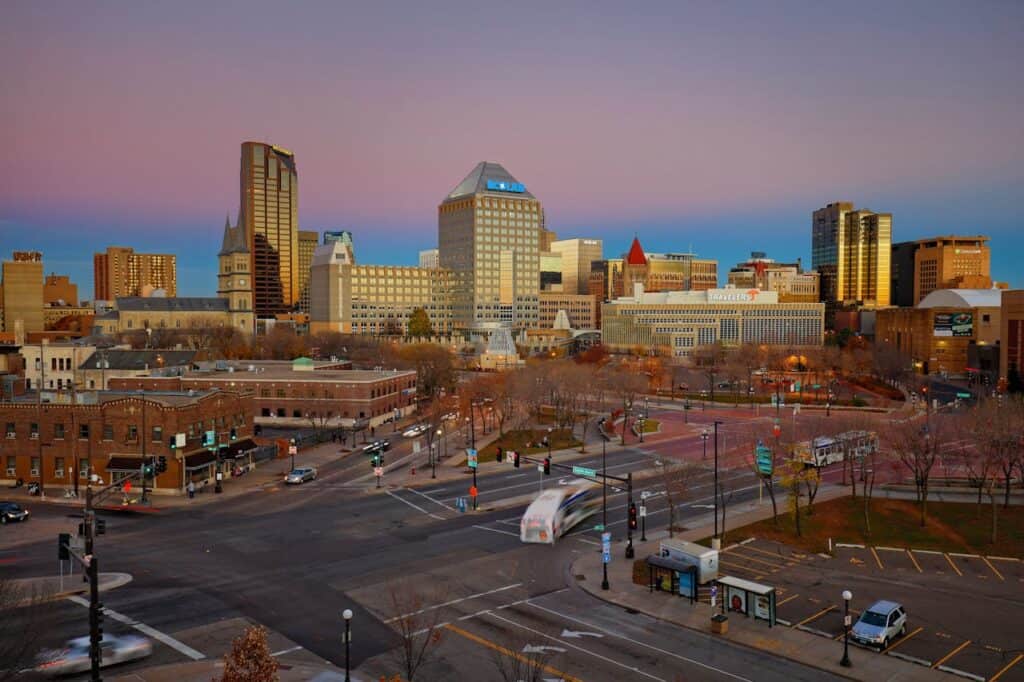
The Blue and Green Lines connect the airport, Mall of America, downtowns, and stadiums with dependable frequency even on weekends. Bus rapid transit fills gaps, and heated shelters make winter waits reasonable. Many platforms sit next to skyways, which means weather rarely cancels plans. Fares stay straightforward, and stations land near parks, museums, and kid-friendly meals. With lakes and playgrounds threaded through the grid, a full day runs on trains, not traffic reports.
Denver, Colorado
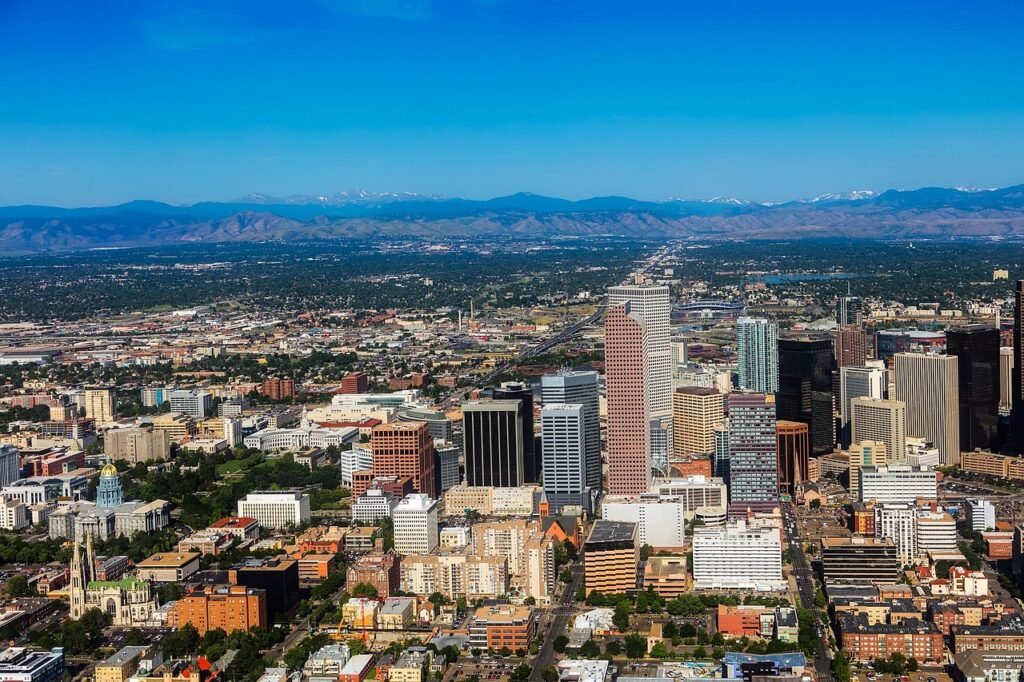
RTD’s A Line brings travelers from the airport to Union Station’s food hall and fountains without a taxi, then light rail and buses fan out to museums, arenas, and parks. The free MallRide links downtown blocks for short legs, reducing the urge to drive for one stop. Day passes cap spending, and frequent service survives big event days. Trails and greenways meet stops cleanly, so older kids can stretch legs between rides. Parking becomes optional, not required.
Other Blog Posts You Might Enjoy
www.idyllicpursuit.com (Article Sourced Website)
#U.S #Cities #Transit #Beat #Driving #Families #Idyllic #Pursuit