
We may earn money or products from the companies mentioned in this post. This means if you click on the link and purchase the item, I will receive a small commission at no extra cost to you … you’re just helping re-supply our family’s travel fund.
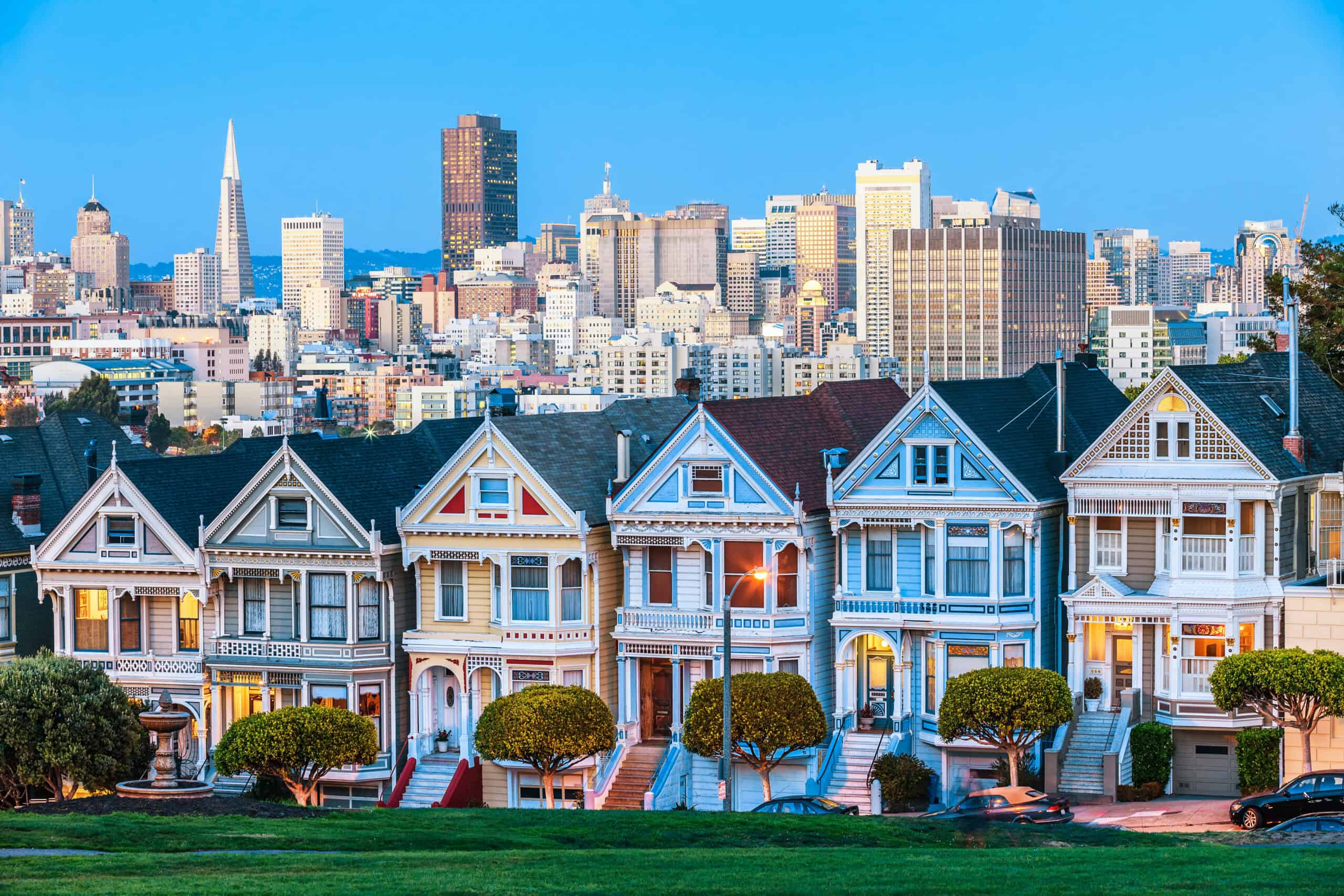
*Big cities carry energy and edges in the same frame. Transit quirks, uneven lighting, and nightlife zones that flip after midnight can unsettle travelers who don’t know the map yet. Locals manage fine by choosing smart bases, walking busy corridors, and letting daylight handle most exploring. That approach works for visitors too. The cities below are worth the trip, but they reward a steady plan: central lodging, quick routes, and neighborhoods that feel lived-in, lit, and comfortably busy from dawn to late.
New York City, New York
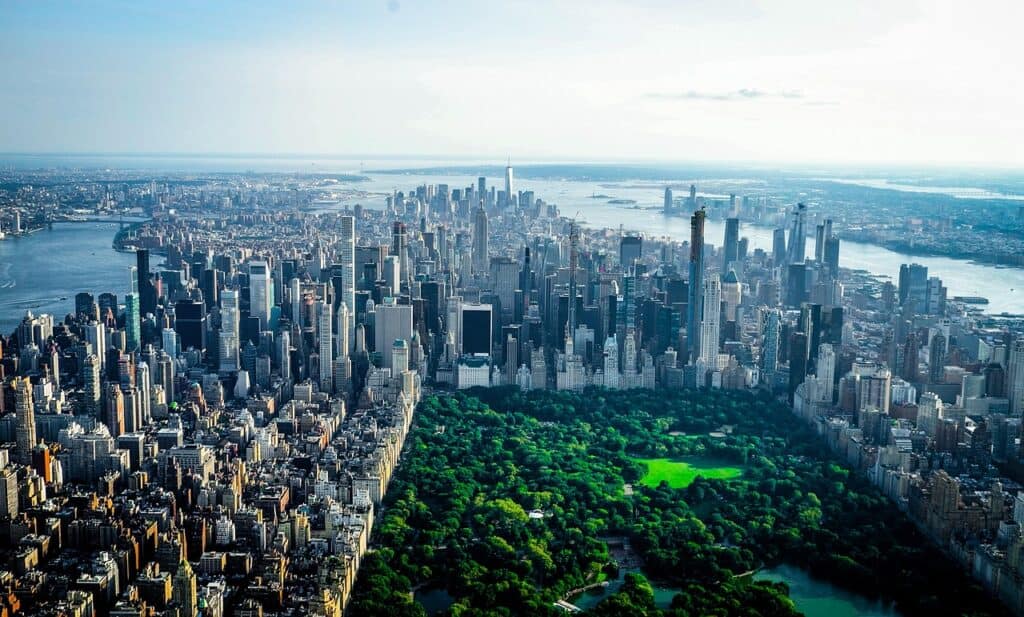
Scale is the challenge, not access. Crowds thin fast after a few blocks from marquee sights, and late-night transfers can stretch patience. Base where transit converges and streets stay active into the evening. Many visitors like the Upper West Side for parks and subways, or the Upper East Side for calm and museums. Brooklyn Heights and Downtown Brooklyn offer fast trains, walkable blocks, and river views. River North–style convenience, but with bodegas and bagels setting the morning pace.
San Francisco, California
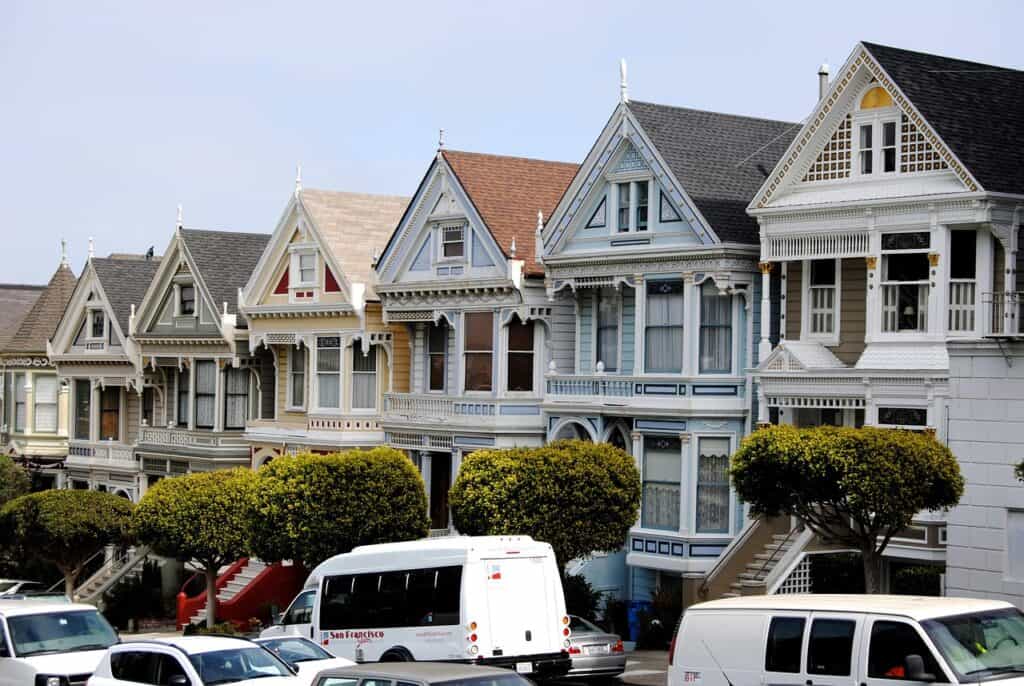
Steep grades, microclimates, and sharp block-to-block changes can unsettle first-timers. The answer is daylight walking and a home base with easy transit. Noe Valley and Pacific Heights give quiet nights and frequent buses; the Marina and North Beach keep evenings lively without feeling chaotic. For quick downtown access, look at Nob Hill or Rincon Hill high-rises with secure entries. Plan hills with cable cars or rideshares, then wander flat waterfronts when fog lifts.
Chicago, Illinois

Wind off the lake can turn a short walk into a long rethink, and late trains after events test timing. Visitors do well in River North or the Loop for walkable museums and river paths. Lincoln Park and Lakeview offer calmer nights, parks, and straightforward train lines. West Loop draws food lovers but sleeps solid once kitchens close. Keep lakefront strolls to daylight, cut across busy corridors after dark, and let the grid keep navigation honest.
New Orleans, Louisiana
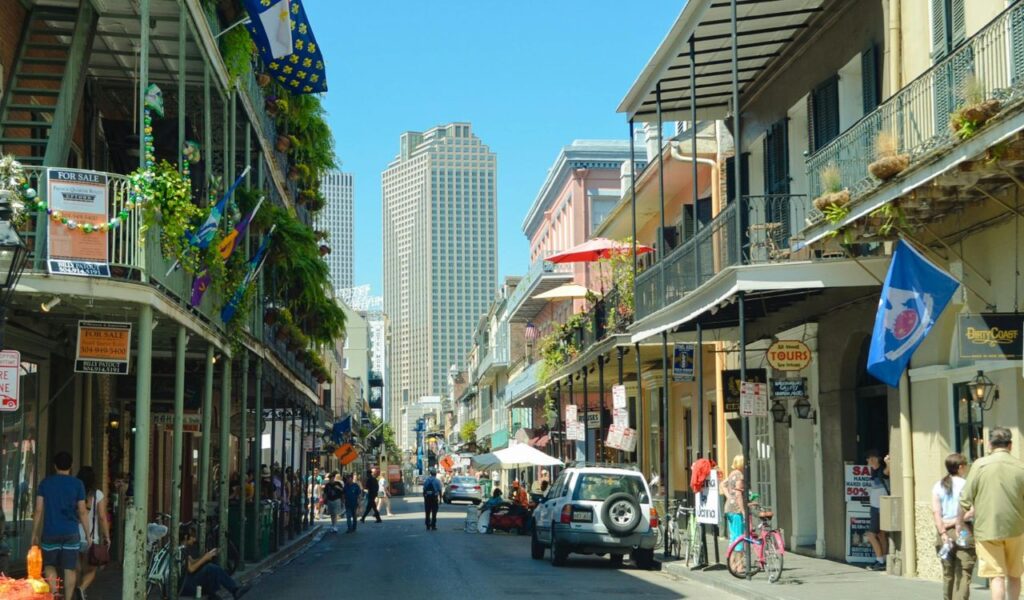
Block-by-block vibes swing with music hours and parade routes. The fix is choosing a base that stays steady when the Quarter gets loud. Garden District and Uptown deliver streetcar access, leafy avenues, and late cafés. Faubourg St. John places visitors near City Park and neighborhood dining with easy rides downtown. In the Quarter itself, hotels near Jackson Square feel more relaxed than the party strip. Daylight for cemeteries; evenings for well-lit avenues and courtyards.
Los Angeles, California
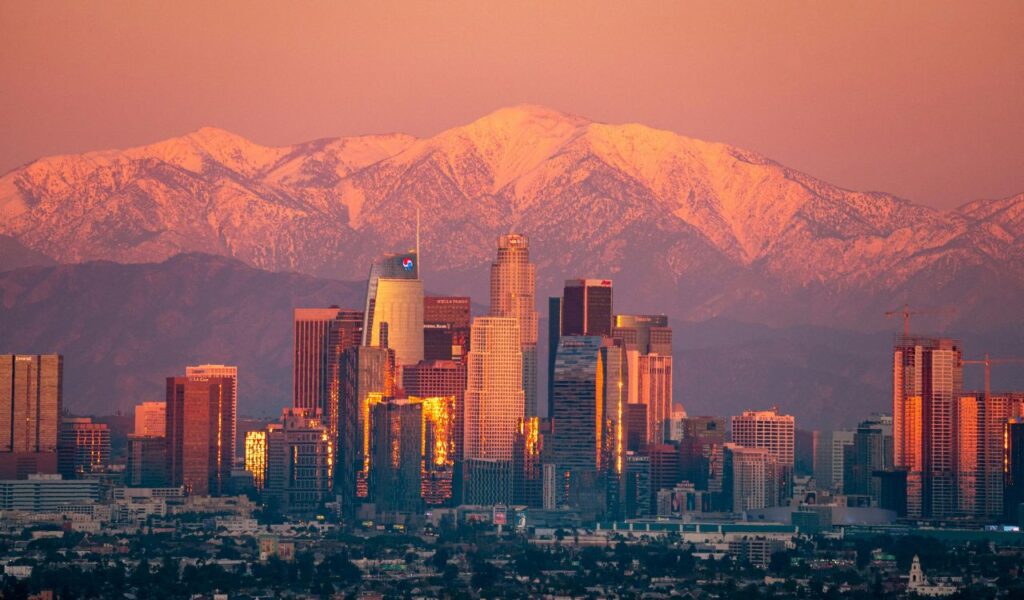
Distance is the puzzle, not courage. A good base trims commutes and keeps nights simple. Santa Monica and Pasadena both offer walkable cores, strong dining, and late transit options. West Hollywood sits central for studios and museums with lively streets after dinner. For beach time without the scene, look at Manhattan Beach. Drive in daylight for canyon views, then park near your block after dusk and let sidewalks and cafés finish the day.
Philadelphia, Pennsylvania
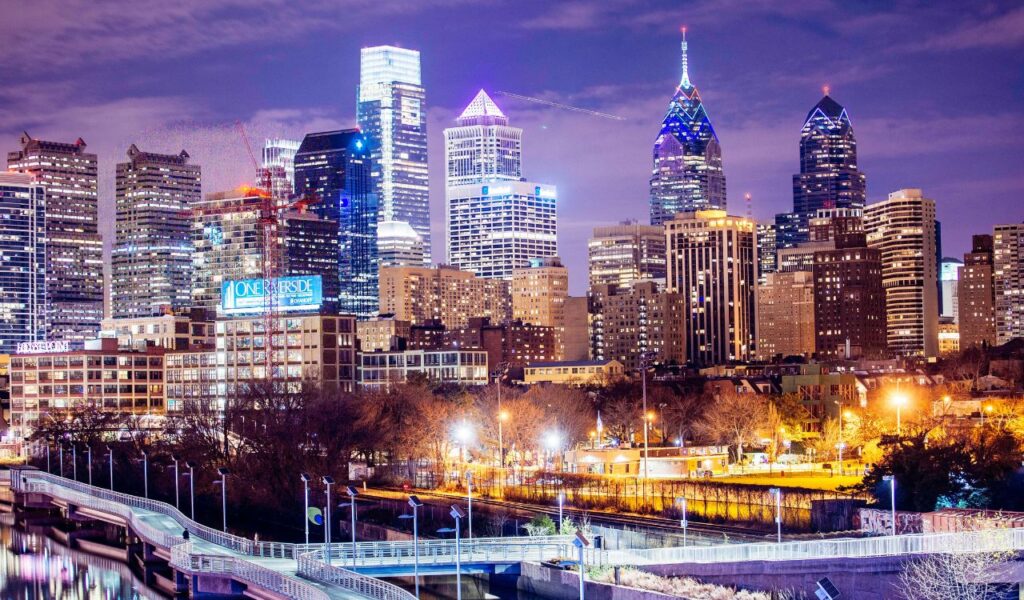
History streets can feel quiet after office hours, and some corridors empty fast. Center City around Rittenhouse Square gives steady foot traffic, parks, and reliable cabs. Society Hill and Old City stack brick lanes with museums and river paths while staying well lit. University City buzzes by day; pick near main avenues for calmer nights. Daylight covers Independence sights; evenings suit bistros and lit squares where neighbors actually linger.
Washington, D.C.
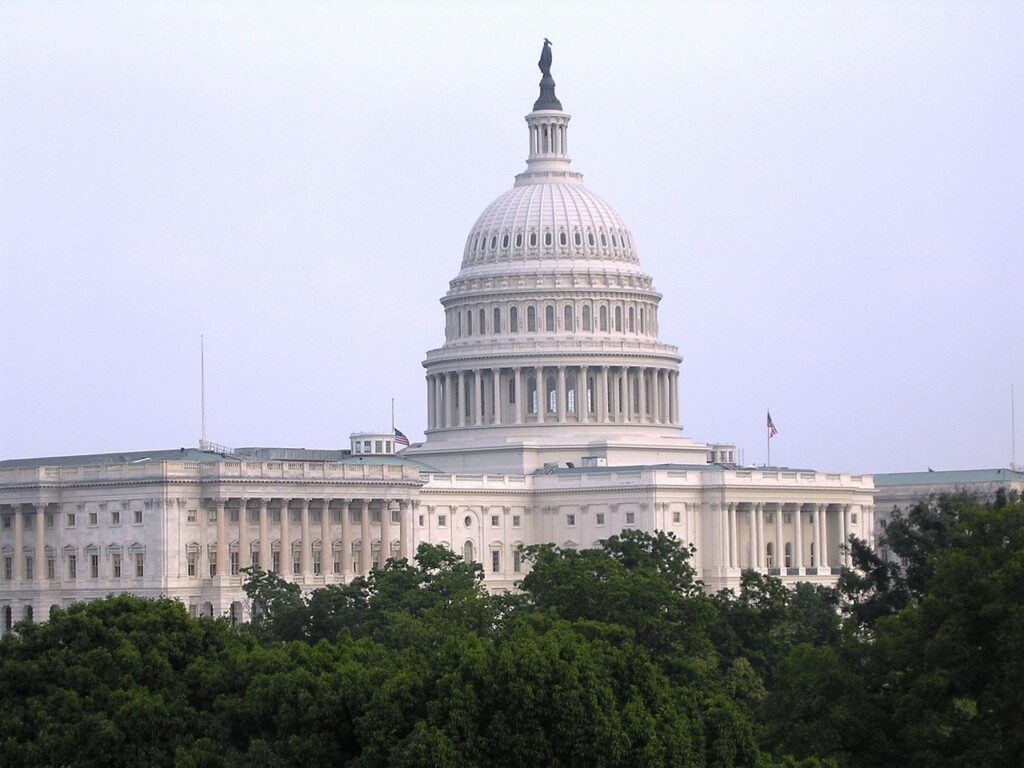
The National Mall empties at dusk, leaving long, quiet lawns. Stay where nightlife and transit overlap. Dupont Circle blends embassies, bookstores, and restaurants with late pedestrians. Georgetown trades Metro rails for safe buses and lively waterfront walks. Navy Yard and Capitol Riverfront add new parks, ballpark energy, and lit promenades. Tour museums by day, then pivot to neighborhoods that host their own dinner hour and keep corners bright past closing time.
Detroit, Michigan
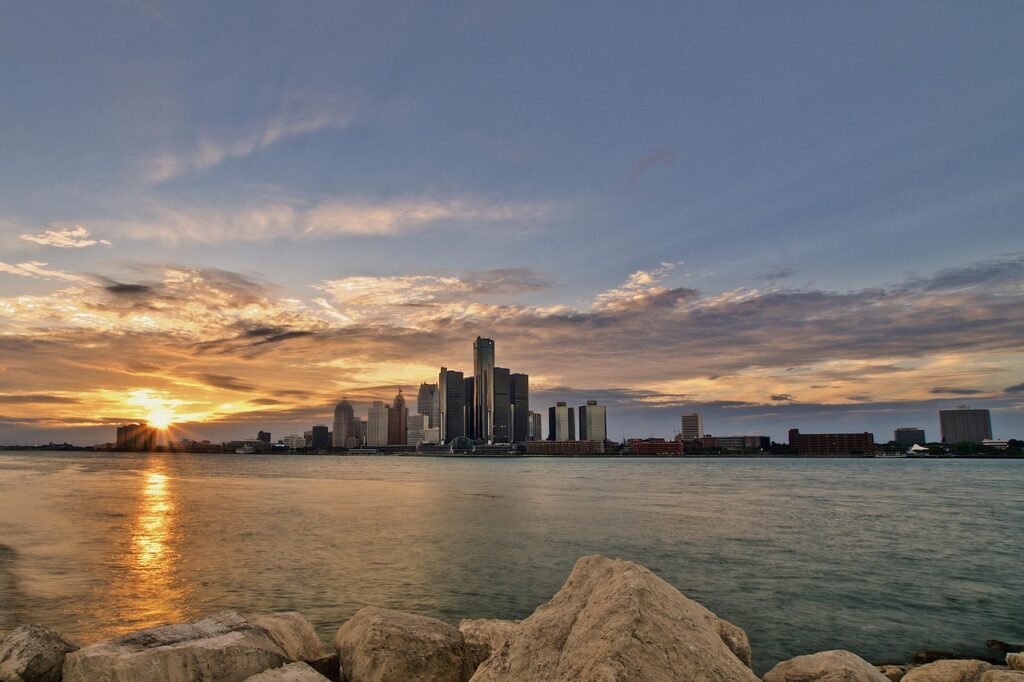
Rapid change puts polished blocks next to work-in-progress streets. Downtown and Midtown anchor visitors with theaters, stadiums, and the QLINE. Corktown mixes historic houses with new cafés and steady foot traffic. New Center offers quick rides to museums and Motown history. Drive major corridors, park in attended lots, and let daylight handle farther flung sights. Evenings fit walkable districts where restaurants, lights, and neighbors keep the tempo friendly and visible.
Miami, Florida
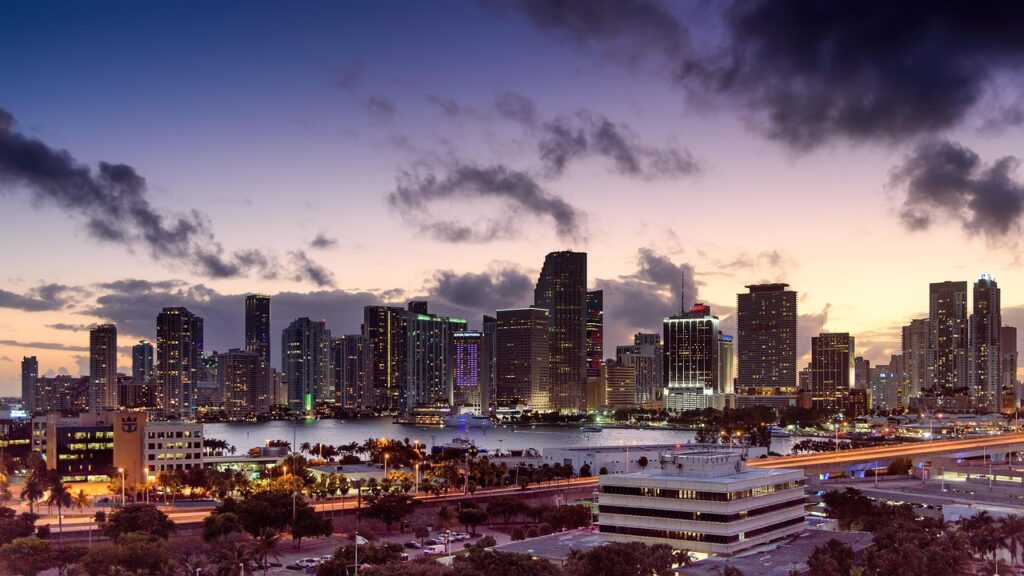
Fun can sprawl, and late drives between districts stretch attention. Brickell stacks hotels, transit, and river walks under towers that stay active at night. Coral Gables and Coconut Grove offer tree-lined streets, plazas, and steady dining without club noise. Miami Beach varies by block; South of Fifth sleeps calmer than the party core. Use daylight for beaches and murals, then pick a base that trades car time for short, well-lit strolls after dinner.
Baltimore, Maryland
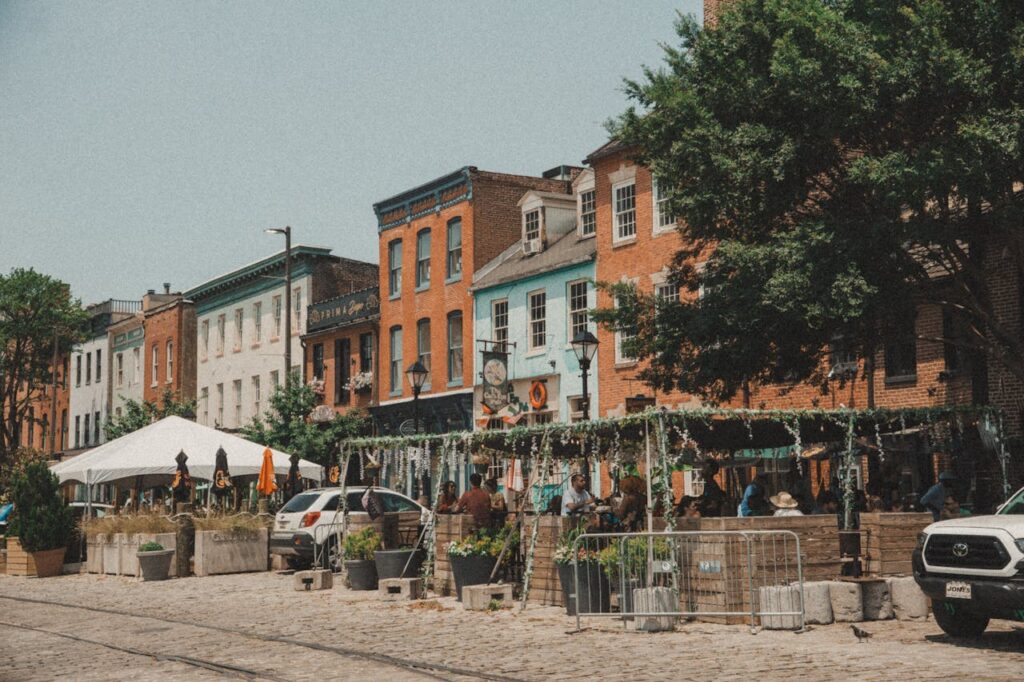
Harbor glamour meets steep history, and some areas quiet fast after offices close. Inner Harbor and Harbor East keep lights, patrols, and waterfront paths busy into evening. Federal Hill and Fells Point add rowhouses, markets, and steady pub traffic. Mount Vernon draws museum fans and holds its streets after shows. Plan daytime for farther neighborhoods; save nights for compact districts where restaurants cluster and sidewalks carry the conversation home.
Other Blog Posts You Might Enjoy
www.idyllicpursuit.com (Article Sourced Website)
#U.S #Cities #Visitors #Find #Tough #Safer #Neighborhoods #Base #Author #Kathy #Haan