
We may earn money or products from the companies mentioned in this post. This means if you click on the link and purchase the item, I will receive a small commission at no extra cost to you … you’re just helping re-supply our family’s travel fund.
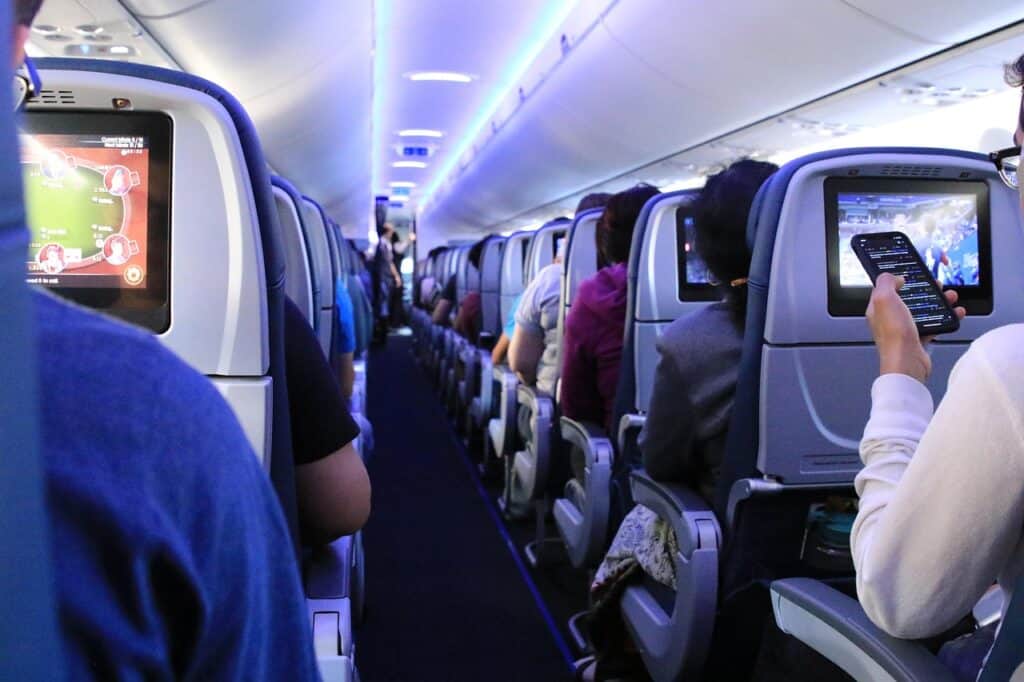
From the cabin, small service cuts can look like simple cost saving, but from the operational side they reshape how crews manage risk. Every missing cushion, reduced headcount, or shortened cleaning turn shows up in checklists, fatigue levels, and contingency planning. Airlines still meet regulatory standards, yet the margin between “legal” and “comfortable, calm, and resilient when something goes wrong” has narrowed. The jet still flies the same route; what changes is how much mental and physical slack remains when a bad day shows up.
Tighter Seat Space And Thinner Cushions
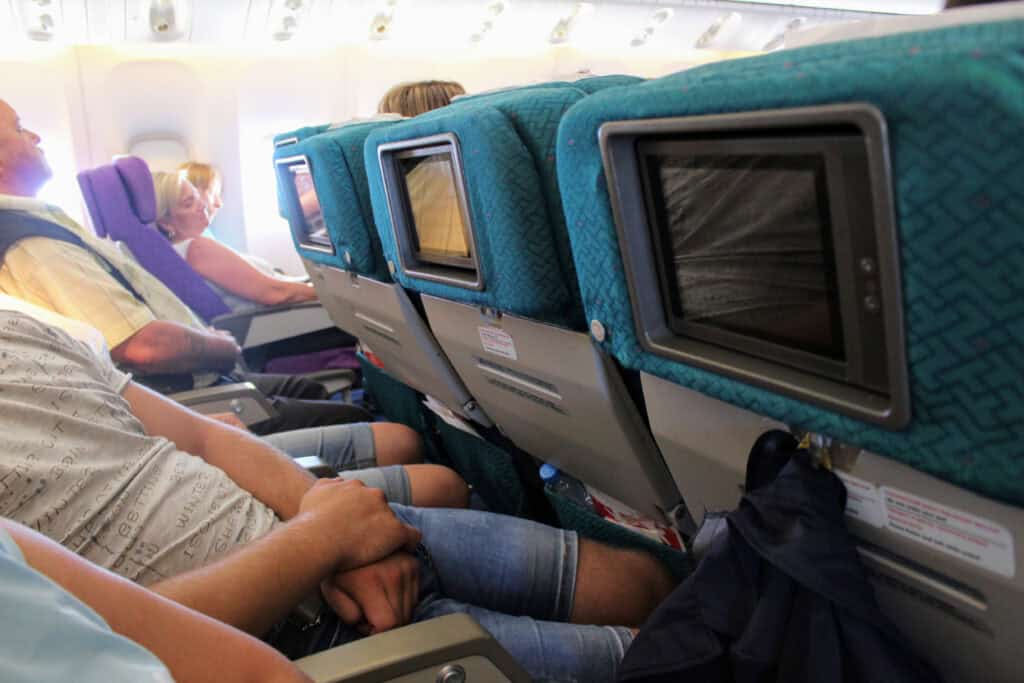
Tighter pitch and slimmer cushions do more than annoy knees. They change evacuation dynamics, limit mobility for older or larger passengers, and make it harder for crews to move quickly in the aisle with carts or emergency gear. Cabin injuries during turbulence climb when people cannot brace well or adjust posture easily. From a safety perspective, regulators test minimum standards, but real world evacuations rarely match clean lab conditions. Many line pilots and flight attendants quietly worry that cabins packed to the limit leave less room for surprise.
Checked Bags Turned Into A Revenue Line
Charging for checked bags pushed more luggage into overhead bins and under seats, which changed the risk profile around evacuations and turbulence. Overstuffed bins are harder to close securely, more likely to pop during rough air, and slower to clear if smoke or fire develops. Gate-check chaos also complicates weight and balance planning when bags are moved late. Ground and cabin crews now spend more time policing bag size and placement, not just for comfort, but to keep aisles and exits usable when seconds matter in an emergency.
Full Meals Replaced By Smaller, Leaner Offerings

Downsized catering looks like pure shrinkflation, yet it is also about weight, cost, and time on task for crews. Fewer full trays and ovens mean less mass to haul, fewer hot items to secure in turbulence, and shorter galley work during critical phases. The tradeoff is that hungry, dehydrated passengers handle stress and delays less calmly, which can spark conflicts and medical events. Safety teams know that stable blood sugar, hydration, and mood make a difference when diversions, go-arounds, or long ground holds suddenly appear.
Complimentary Snacks And Drinks Shrunk Down
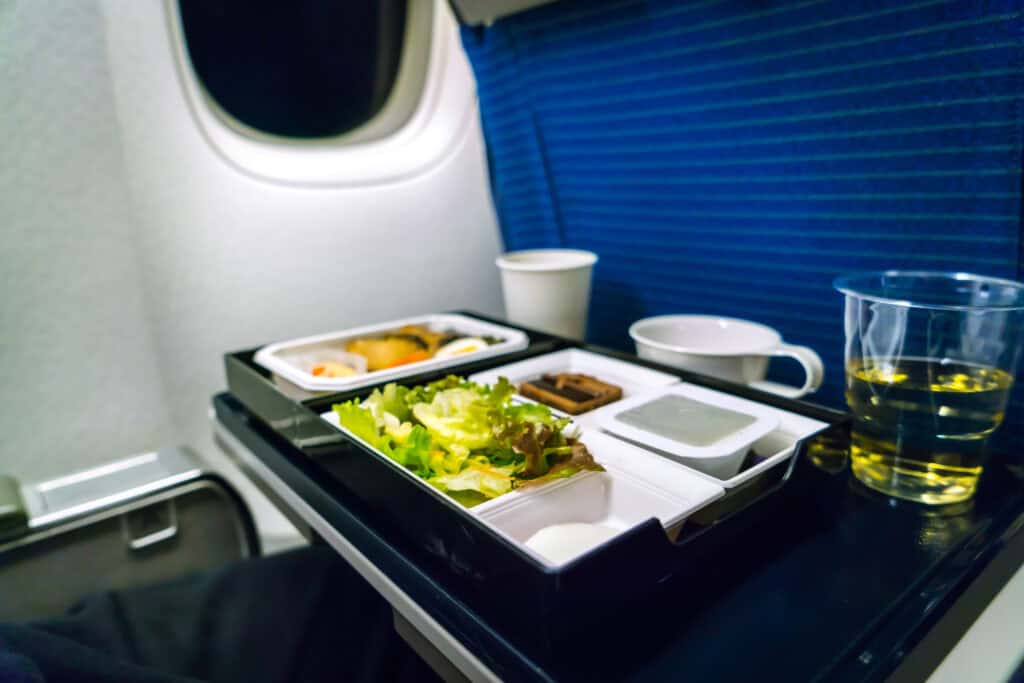
Reduced snack and drink rounds save catering money and free up crew time, but they also influence how well passengers tolerate long delays or rough rides. Dehydrated cabins increase headaches, confusion, and irritability, which complicate medical assessments and crowd management during disruptions. When crews have less structured time in the aisle, they also have fewer chances to informally scan for emerging issues, from sharp-smelling batteries to passengers in distress. The quiet cut in hospitality thins out an important early warning layer for safety.
Pillows, Blankets, And Headphones As Optional Extras
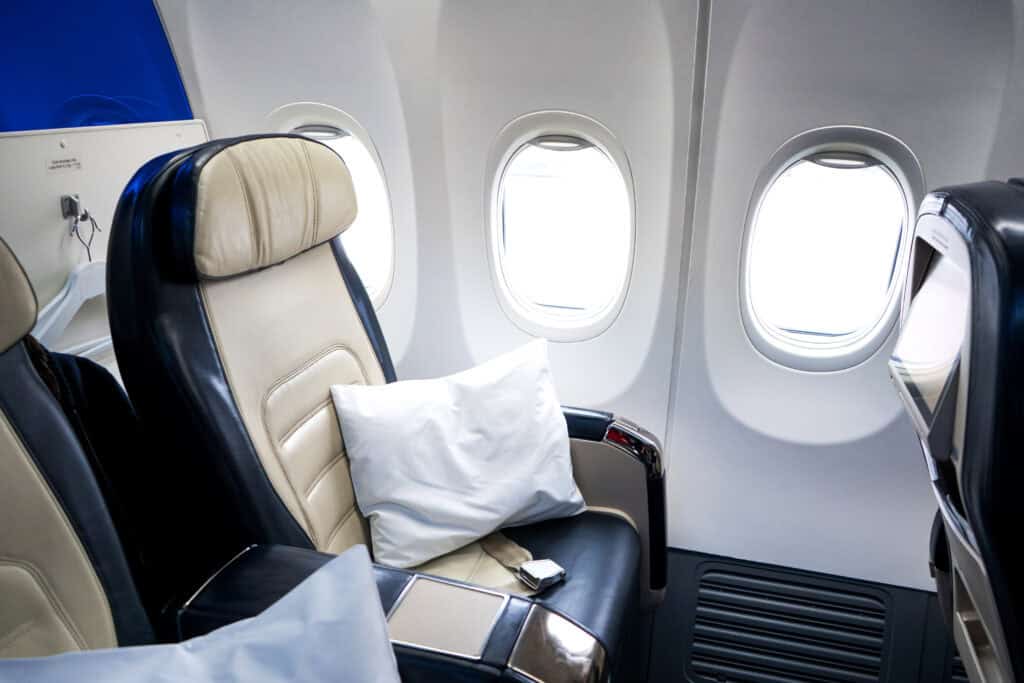
Pulling back on standard pillows, blankets, and headphones cuts weight and inventory, yet it also affects fatigue management and communication quality. Cold, uncomfortable passengers sleep less and move more, which raises the likelihood of minor injuries and short tempers during long irregular operations. Flimsy headphones or none at all mean more missed announcements when crews need attention fast. Safety briefings, diversion updates, and turbulence warnings land best when people are settled and listening, not shivering under a jacket or wrestling with broken audio.
Seat Back Screens Quietly Disappearing
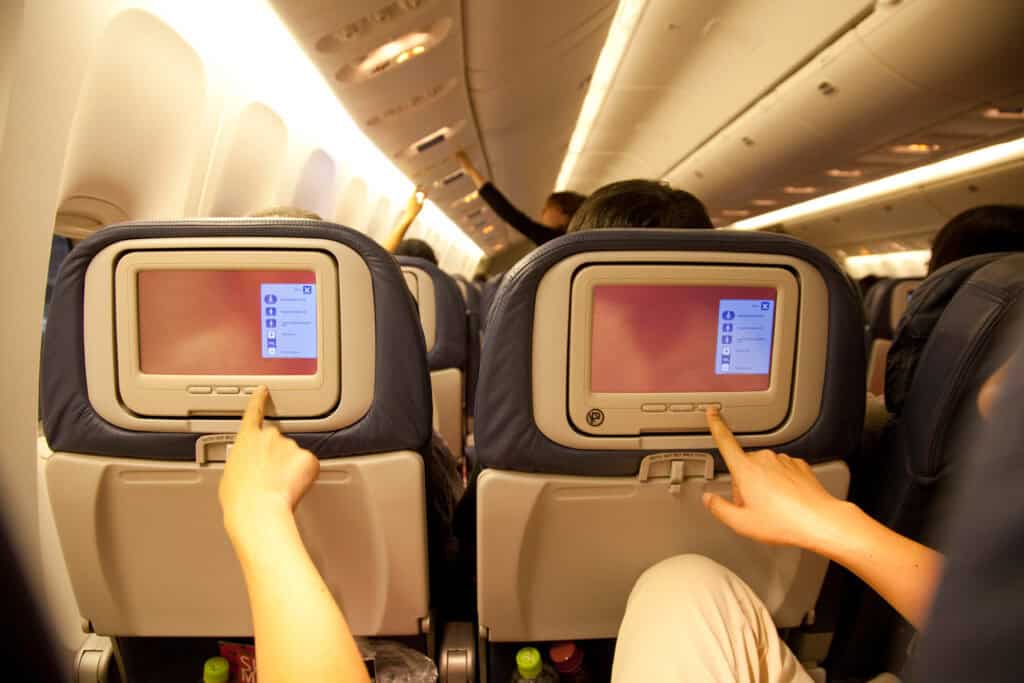
Removing seat back screens in favor of personal devices reduces maintenance points and wiring, but it also shifts control away from the airline in key moments. Integrated systems allow crews to push safety messages, maps, and calm visual content during turbulence or diversions. When entertainment lives only on personal phones, battery failures, dead earbuds, and competing apps fragment attention. In tense situations, a consistent cabin-wide feed helps keep panic in check; without it, attendants rely more on slow, verbal reassurance row by row.
Less Crew Time Per Passenger
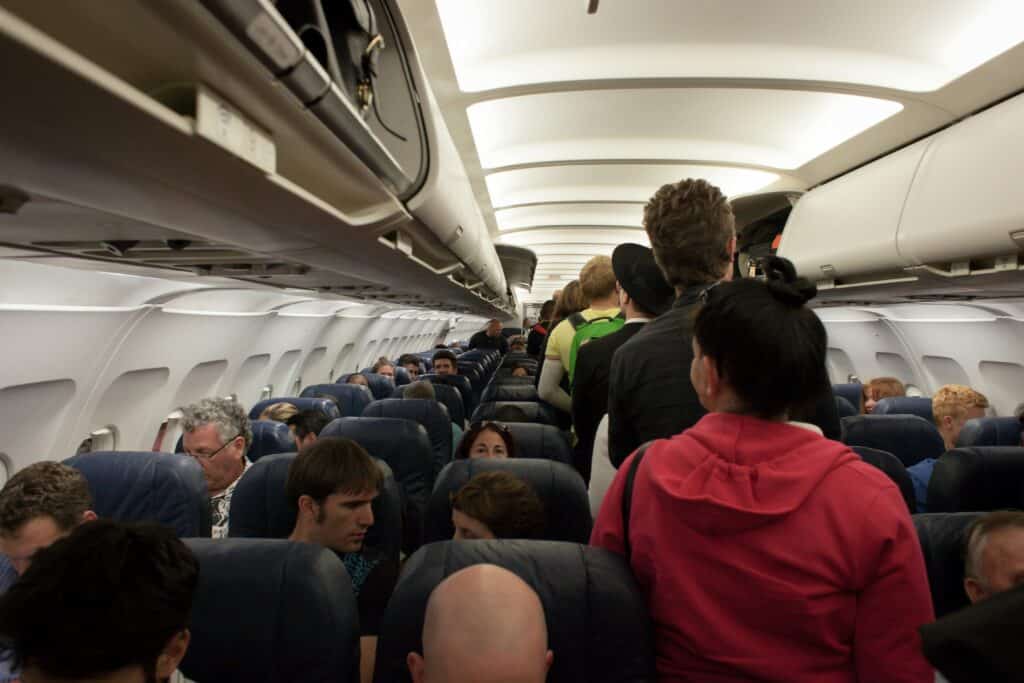
Lower staffing ratios and higher workloads rarely headline press releases, yet crews feel the impact immediately. With more passengers per flight attendant, routine safety tasks compete with service duties, paperwork, and conflict management. Preflight equipment checks, cabin walks, and post-turbulence seat belt scans must be done under tighter time pressure. On a normal day, it still works. On a day with a disruptive passenger, medical emergency, or sudden diversion, that missing spare pair of hands can be the difference between smooth coordination and barely controlled chaos.
Cleaning Standards Under Pressure From Tight Turns
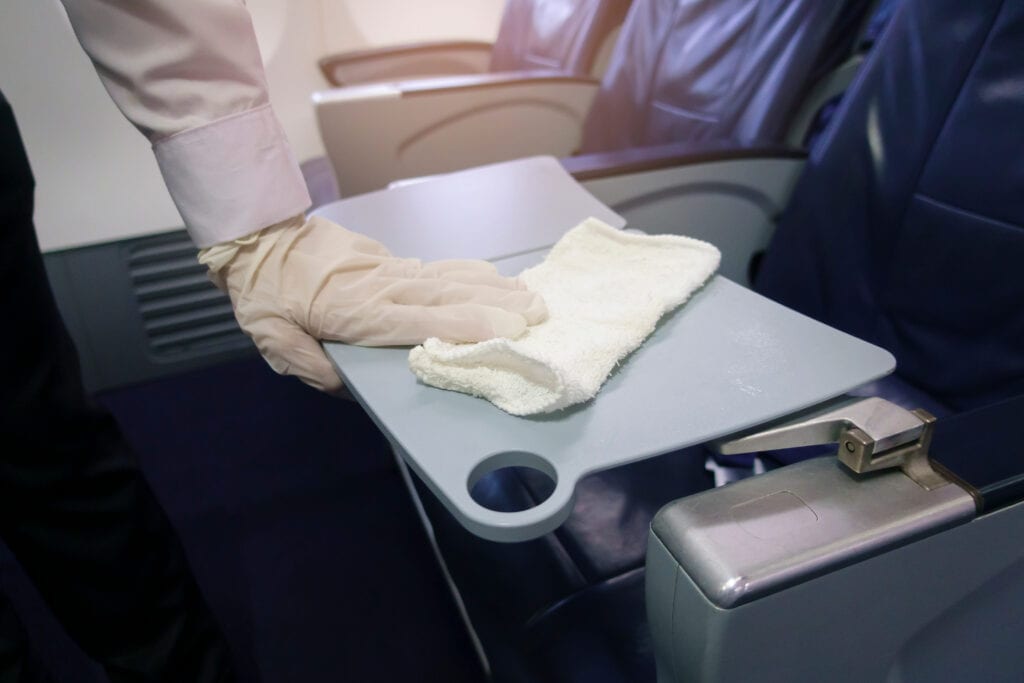
Shorter turn times mean less thorough cleaning between flights, and that is not just an aesthetic downgrade. Leftover trash, spilled liquids, and cluttered seat pockets all interfere with access to safety cards, life vests, and structural areas that crews need to visually inspect. Poorly maintained lavatories raise hygiene issues that matter on long duty days and future flights, especially when illness spreads. While deep cleaning still happens on planned schedules, the everyday cabin standard influences how quickly hazards, leaks, or damage are noticed and reported.
Flexibility And Change Options Hollowed Out

/Freepik
Rigid fare rules and limited flexibility may look like pure revenue design, yet they also shape behavior when operational disruptions hit. Crowded gates full of passengers who feel trapped by basic fares are harder to rebook calmly during storms, air traffic control delays, or mechanical issues. Tension levels rise, which has a direct impact on crew safety and emotional bandwidth. Operations teams must solve complex reroute puzzles while deescalating anger that stems largely from policies far beyond the cockpit or cabin.
Boarding And Ground Experience Stratified
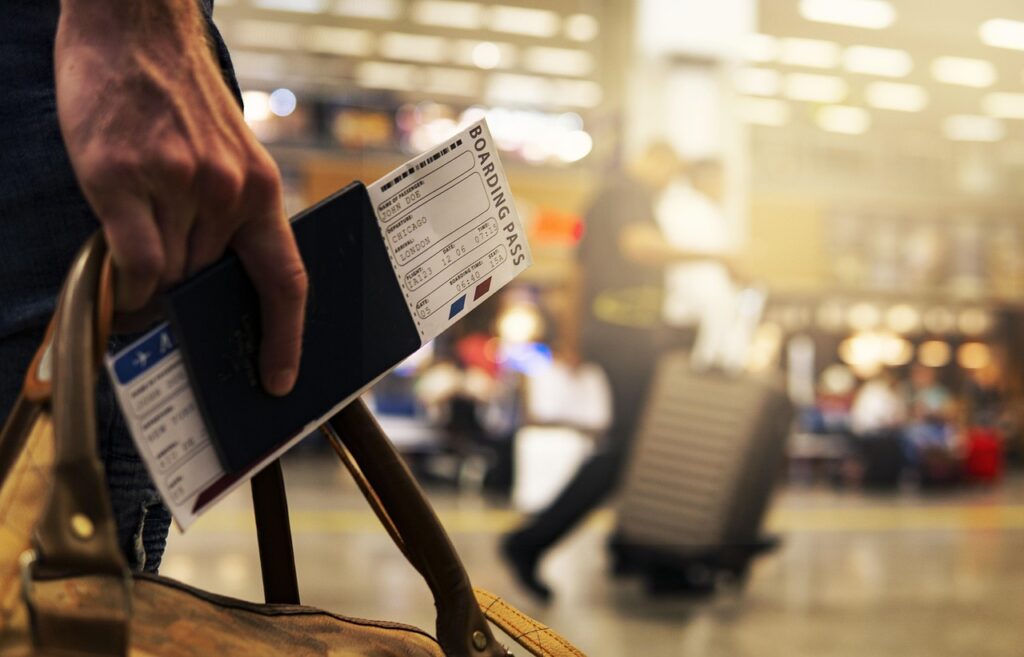
Layered boarding groups and aggressive carry-on competition concentrate stress right before takeoff, when safety culture needs calm focus. Overloaded bins, rushed gate checks, and arguments about space can delay door closure and distract crew members from final safety cross-checks. Crowded jet bridges also complicate evacuations if a last-minute issue forces a quick deplaning. Ground agents and flight attendants now spend more time managing status expectations than reinforcing safety messages, even though the two are deeply connected when something goes wrong.
Other Blog Posts You Might Enjoy
www.idyllicpursuit.com (Article Sourced Website)
#Airlines #Quietly #Downgraded #Economy #Class #Idyllic #Pursuit