
We may earn money or products from the companies mentioned in this post. This means if you click on the link and purchase the item, I will receive a small commission at no extra cost to you … you’re just helping re-supply our family’s travel fund.

In recent years, a noticeable shift has emerged in how Asian tourists perceive their travel experience in the United States. Once drawn by iconic cities and cultural landmarks, many now describe feeling less embraced by the environment around them. Factors such as safety concerns, policy changes, and cultural misunderstandings have gradually reshaped visitor sentiment. As travel patterns evolve and global competition intensifies, understanding these reasons becomes essential.
1. Heightened Concerns About Public Safety

Many Asian tourists cite rising safety worries as a major reason for avoiding the U.S., especially as global headlines frequently highlight incidents of gun violence. With over 49,000 firearm-related deaths recorded in 2022, visitors perceive American cities as unpredictable compared to destinations in East Asia, where violent-crime rates are significantly lower. This contrast creates a lingering unease that influences travel decisions long before the flight is even booked.
2. Increased Reports of Racially Targeted Incidents
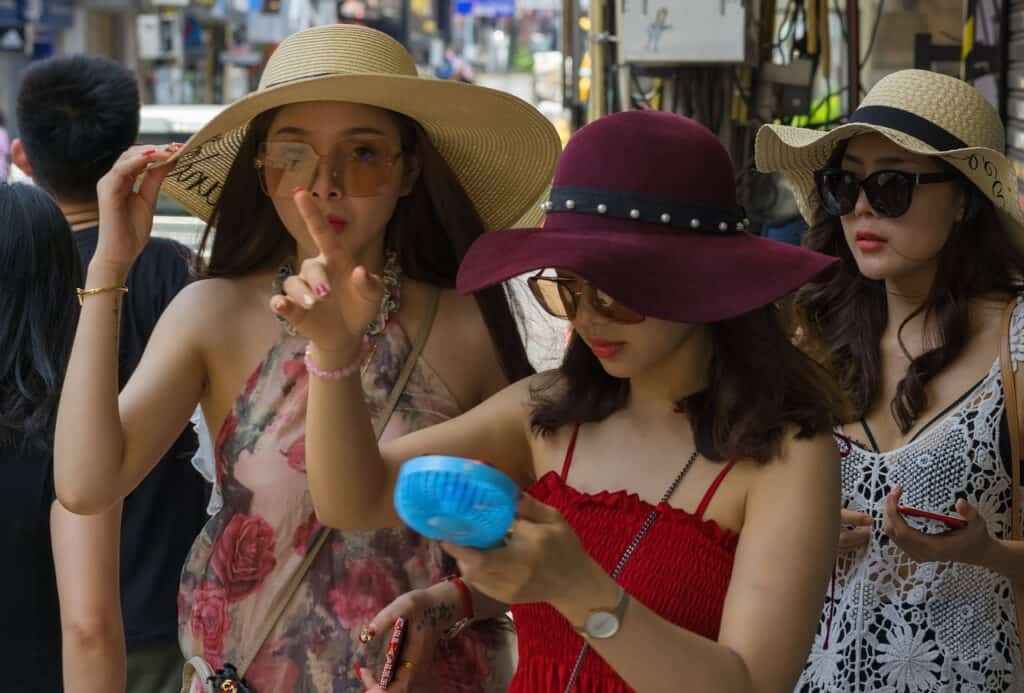
The perception of racial bias remains a powerful deterrent, particularly after data from community organizations documented a surge of over 11,000 anti-Asian incidents between 2020 and 2022. Even though most travelers never personally experience aggression, the widespread media coverage shapes expectations. Many visitors fear being singled out, stared at, or treated with undue suspicion, which reduces the sense of comfort they expect during international travel.
3. Stricter Visa Screening and Lengthy Processing Times

Tourists from countries like China, India, and the Philippines often face long waits for U.S. visa approvals. In some consulates, the average interview wait time has exceeded 250 days, making the process feel exhausting and unwelcoming. Additional background checks or document demands create the impression of distrust. When compared with nations offering e-visas processed within 48 hours, many Asian travelers feel the U.S. is unnecessarily complicated.
4. Airport Interrogations and Secondary Inspections
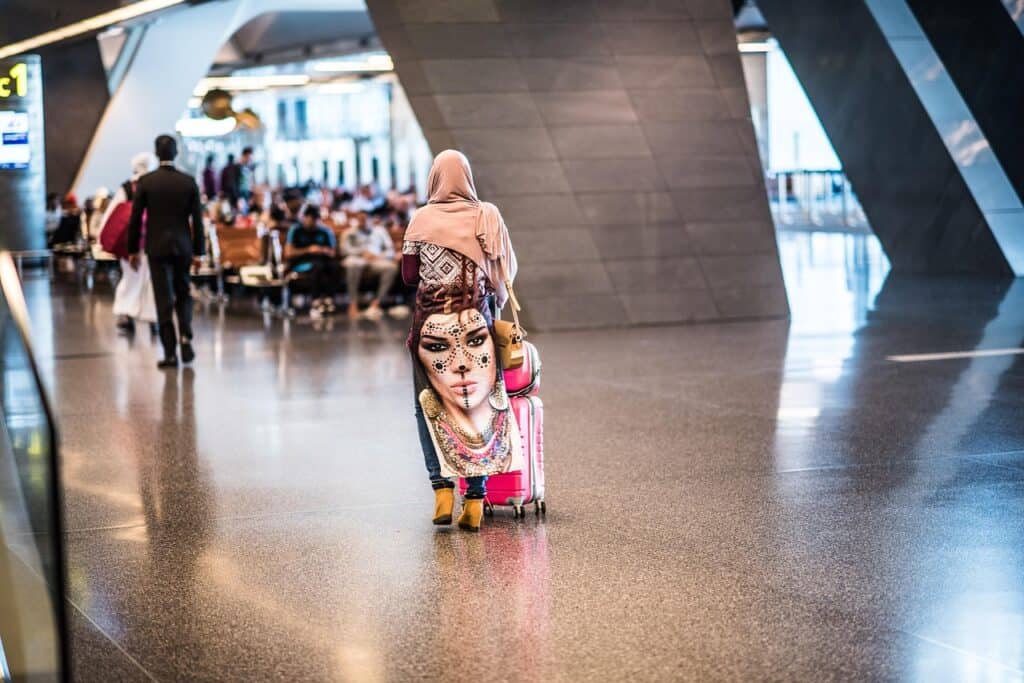
Many visitors report feeling uneasy at U.S. ports of entry due to unexpected questioning or scrutiny. Customs and Border Protection conducted more than 87,000 secondary inspections for travelers from Asia in a single recent year. Even when procedures are routine, the intensity and tone can feel intimidating. For first-time tourists, these encounters can overshadow excitement, leading them to believe they are treated as potential risks rather than welcome guests.
5. Lingering Geopolitical Tensions Influencing Perception

Diplomatic friction, particularly involving China, North Korea, and parts of Southeast Asia, has indirectly shaped tourist sentiment. Surveys show that over 40% of Chinese travelers now view the U.S. as “less friendly” than before. Even though political disputes rarely target tourists directly, the surrounding rhetoric creates a perception that Asian visitors might be seen with suspicion or judged based on national politics beyond their control.
6. Limited Language Accommodation in Key Tourist Areas

While cities like Los Angeles and New York offer multilingual signage, many other tourist regions provide minimal language support. Only 23% of major U.S. attractions include Asian-language translations, and fewer still accept popular Asian payment systems. This lack of accommodation makes travelers feel like afterthoughts. When compared with Japan, Singapore, or South Korea—where multilingual services exceed 70%, the difference is striking enough to influence destination preference.
7. Reduced Tourism Marketing Toward Asian Travelers
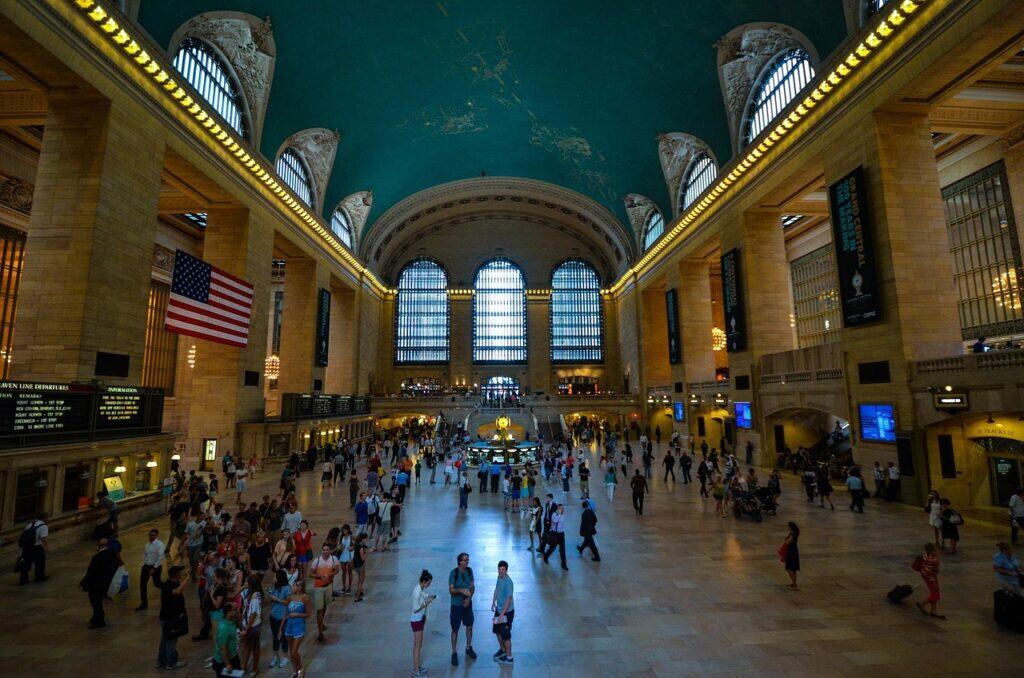
U.S. tourism boards once heavily marketed to Asian travelers, but some campaigns were scaled back during and after the pandemic. International arrivals from Asia dropped by more than 68% between 2019 and 2022, and marketing budgets shifted locally. As promotional materials become less visible, many travelers feel the U.S. is no longer actively welcoming or courting them. Without strong messaging, curiosity fades and perceptions turn lukewarm.
8. High Trip Costs Compared With Alternative Destinations
With flight prices often exceeding $1,200 round-trip from major Asian hubs and hotel rates rising across American cities, many tourists feel the U.S. offers lower value for money. Meanwhile, destinations like Thailand, Japan, and Australia provide competitive prices with smoother travel experiences. The financial gap reinforces a belief that the U.S. expects tourists to adapt without offering a more welcoming or streamlined environment in return.
9. Stories of Unpleasant Local Interactions Circulating Online

Social media platforms across Asia routinely share travel stories, and even isolated negative incidents can spread rapidly. Videos showing rude encounters, overcharging, or dismissive service gain significant traction, some reaching millions of views in days. Even though such experiences are not universal, the digital amplification creates a narrative that Asian tourists must be cautious. This online echo shapes expectations long before travelers step into the country.
10. Competing Regions Offering More Welcoming Hospitality
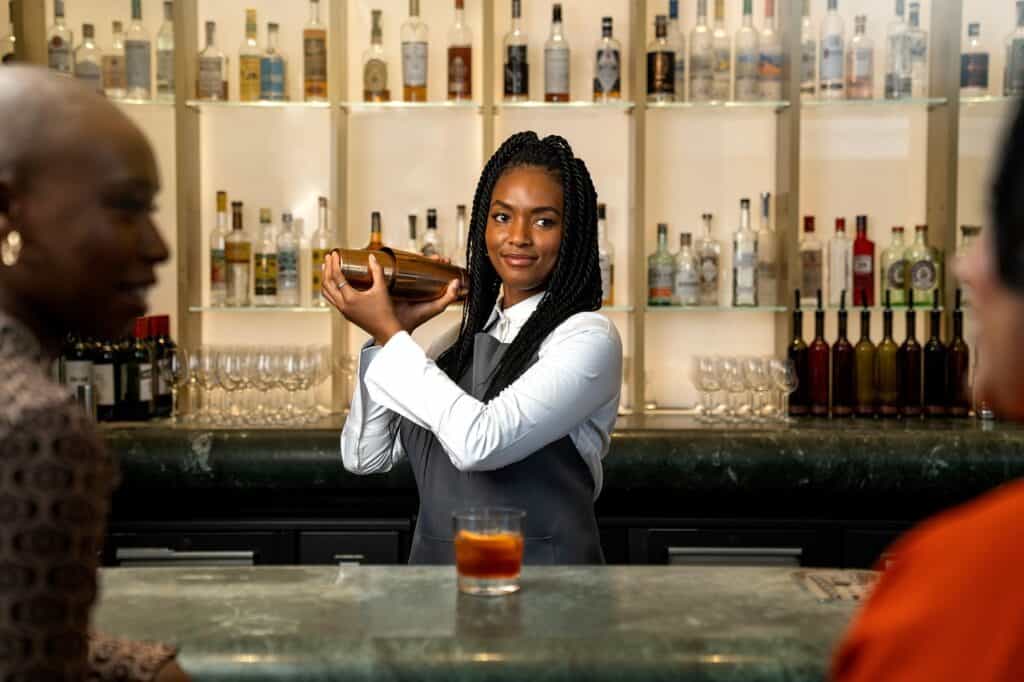
Asian tourists increasingly compare the U.S. with destinations that actively cater to them. Countries like Japan, Malaysia, and the UAE have reported Asian tourist satisfaction rates exceeding 85%, supported by multilingual staff, digital payment compatibility, and culturally sensitive services. In contrast, the U.S. often appears less adaptable. When travelers feel they receive warmer gestures elsewhere, the emotional contrast contributes to the sense that American hospitality has cooled.
Other Blog Posts You Might Enjoy
www.idyllicpursuit.com (Article Sourced Website)
#Reasons #Asian #Tourists #Longer #Feel #U.S #Idyllic #Pursuit