
We may earn money or products from the companies mentioned in this post. This means if you click on the link and purchase the item, I will receive a small commission at no extra cost to you … you’re just helping re-supply our family’s travel fund.
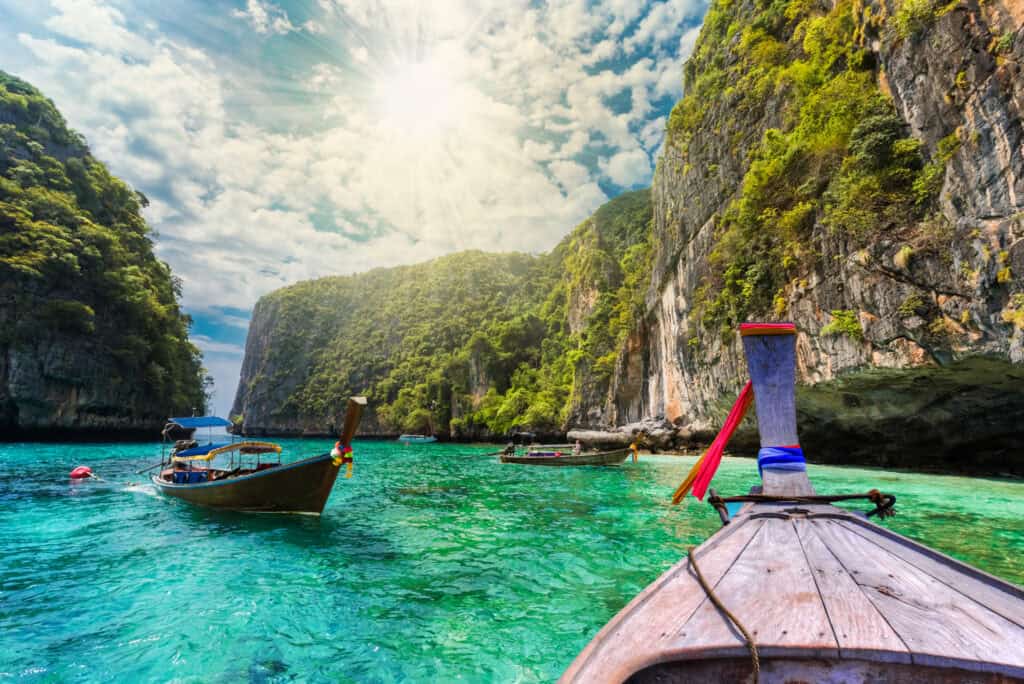
Endless geotagging has quietly rewritten the story of some of the world’s most photogenic places. Viewpoints, alleys, and small coves that once belonged mostly to locals found themselves flooded with tripods, drones, and matching poses. After a while, the charm slipped and the strain showed. Officials and neighbors stepped in with gates, bans, and quiet resistance, trying to defend daily life without killing the magic. These Instagram-famous spots now carry a second story: what happens when a picture-perfect scene finally talks back.
Maya Bay, Thailand, From Movie Backdrop To Managed Lagoon
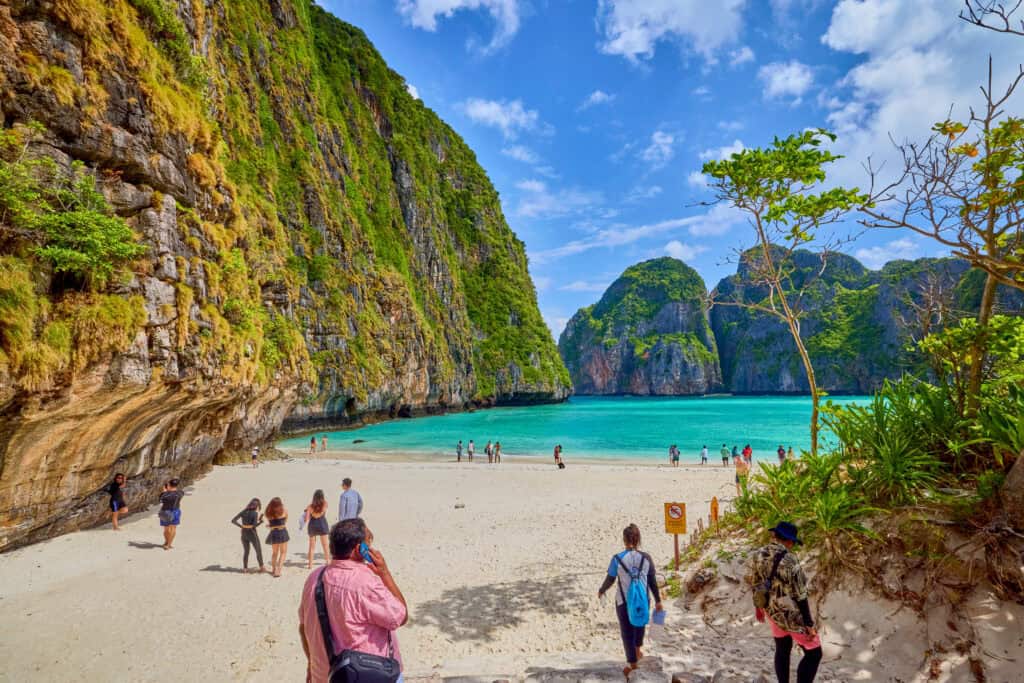
On Phi Phi Leh, Maya Bay shifted from movie backdrop to mass-market wallpaper. Boatloads of day-trippers piled in for the same turquoise-lagoon shot, crushing coral, clouding the water, and overwhelming toilets and staff. After years of damage, Thailand closed the bay, then reopened it with strict caps, a no-boat zone on the beach side, and short timed visits. Guides now watch the clock, swimmers stay off the reefs, and the lagoon still photographs like a dream, only on nature’s schedule. The place that once felt like an unlocked movie set now reads more like a living sanctuary where the main resident is the recovering coral.
Fjadrargljufur, Iceland, When A Music Video Overruns A Canyon

Fjadrargljufur canyon in Iceland sat quietly for centuries until a Justin Bieber video turned it into a pilgrimage. Fans and influencers wandered off trail for better angles, grinding fragile moss into mud and carving desire paths into the hillsides. Rangers could not keep up, so authorities began closing the area in wet seasons, roping off sections, and posting staff at key viewpoints. Now the canyon’s access expands and contracts with weather, plant recovery, and how well visitors remember it is a living place, not a backdrop. The wide shots still go viral, but the canyon now insists on slower feet and smaller footprints.
Walker Canyon, California, Poppies That Had To Be Protected From People

In Southern California, Walker Canyon’s poppy bloom once felt like an open secret shared by locals and a few hikers. Then a rare superbloom collided with Instagram, and tens of thousands poured in, parking on freeway shoulders, blocking driveways, and marching straight through petals. Rescues spiked, tempers flared, and the hills never fully recovered. By 2023, the city closed trails and parking completely during bloom and pushed a poppy livestream instead, turning the hillsides from casual backdrop into a season that must be managed carefully. The flowers still glow online, but locals now decide when the hills open and when they heal.
Horseshoe Bend, Arizona, Rails, Fees, And A Different Kind Of Edge
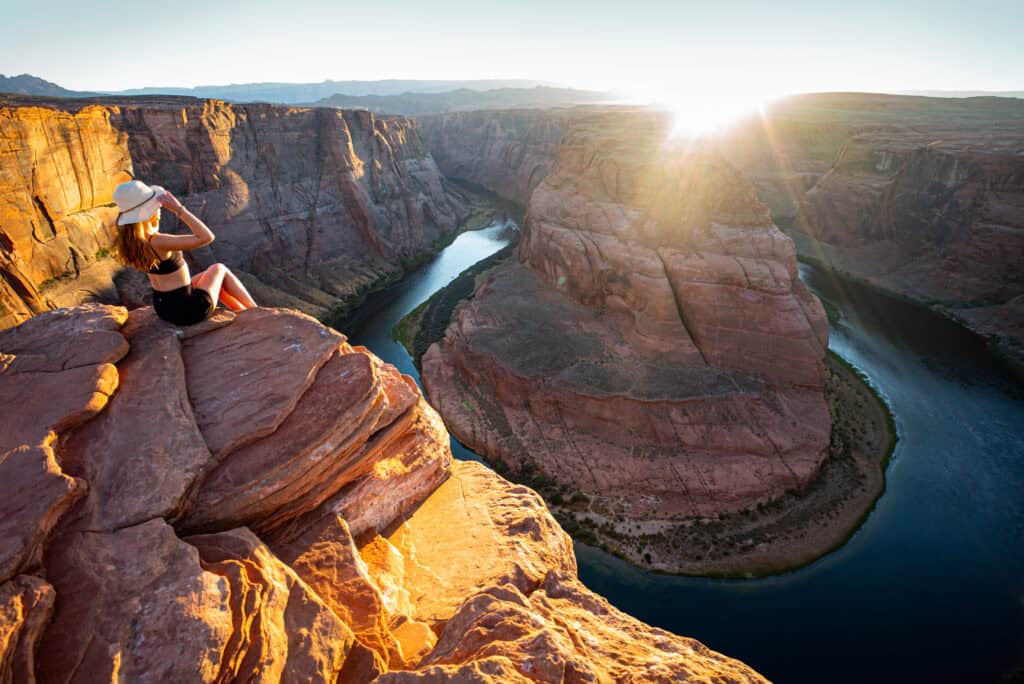
Horseshoe Bend near Page, Arizona was once a dusty pullout where a few road-trippers walked to the rim and moved on. Then the river’s perfect U-shape went viral, and more than a million people a year began edging toward a 300-meter drop for the same cliffside selfie. Emergency calls rose, informal trails multiplied, and the parking chaos spilled onto the highway. Officials responded with a large viewing platform, fenced paths, a paved lot, and a mandatory parking fee that funds staff, maintenance, and safety patrols. The canyon curve still fills memory cards, but railings and paths now decide where feet stop and how close anyone goes.
Gion, Kyoto, No-Photo Streets To Protect Working Lives

Kyoto’s Gion district once held a fragile balance between visitors and the closed world of geisha and maiko. As it turned into a must-have backdrop, some tourists blocked alleys, grabbed sleeves, or chased women down lanes for close portraits. Residents and business owners pushed back, and in 2019 photography on several private streets was banned, backed by signs and on-the-spot fines. Gion still glows with lanterns and wooden facades, but the message now is clear: people working there are professionals, not souvenirs. Visitors still wander Gion’s lanes, yet cameras now sit behind respect for work, time, and privacy.
Portofino, Italy, Red Zones For Serial Selfie Sessions
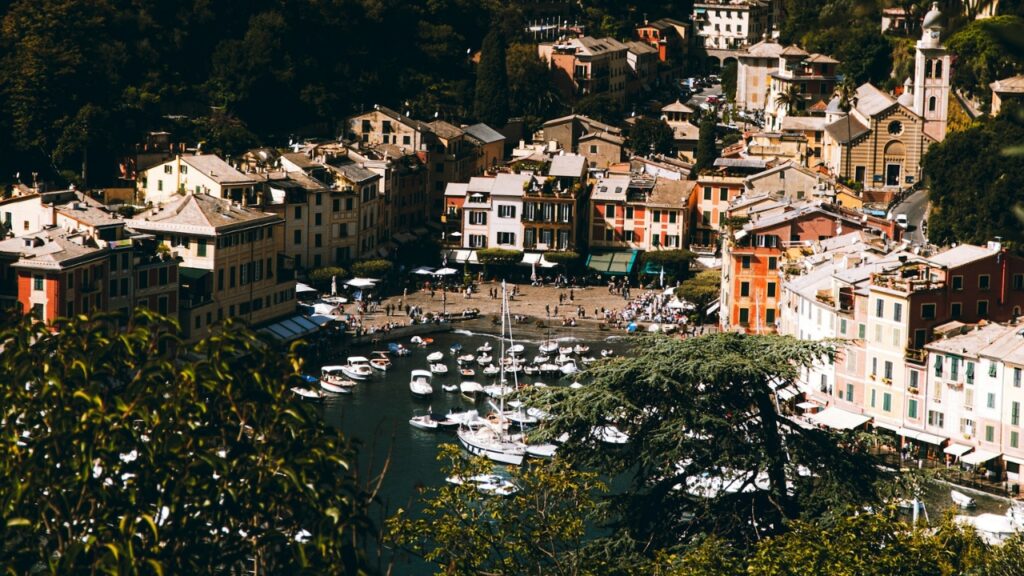
Portofino’s harbor has long looked like a postcard in motion, all pastel facades and polished boats. Once social media caught up, narrow quays turned into improvised catwalks as visitors stopped in the tightest spots to stage long photo sessions. Foot traffic stalled, emergency access shrank, and locals watched their working waterfront turn into a standstill. In 2023, the town marked red zones where lingering for photos during busy hours can bring steep fines, nudging people to snap quickly and keep the harbor flowing. The backdrop remains, but the rules now favor short pauses, lighter footprints, and a harbor that functions before it poses.
Cinque Terre, Italy, Flip-Flop Bans On Clifftop Trails
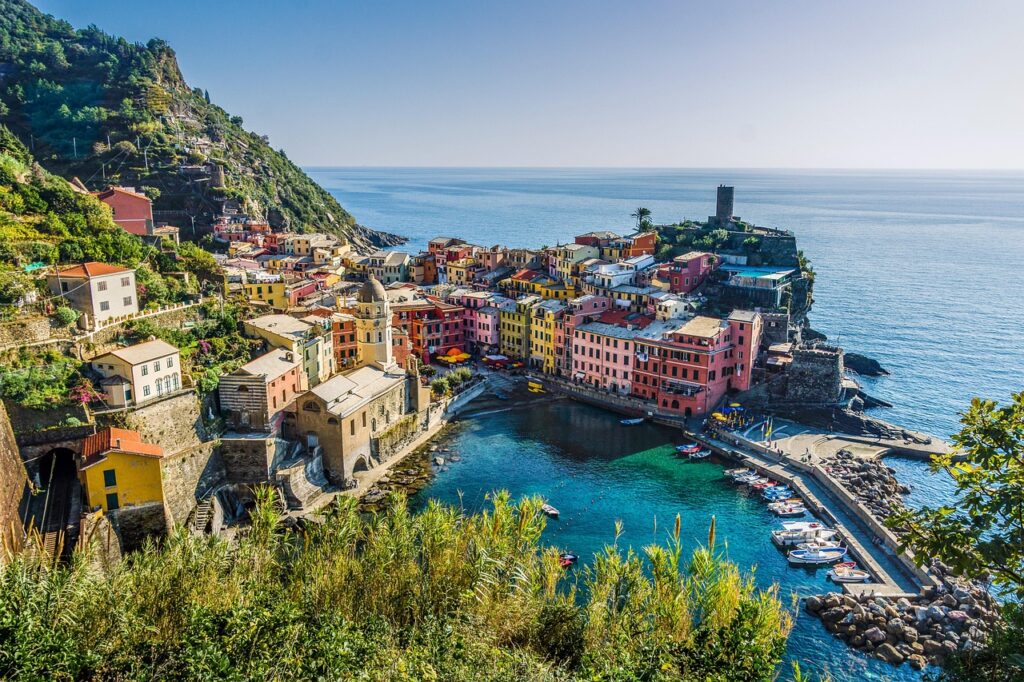
Cinque Terre’s cliffside paths were never built for fashion sandals, yet viral photos made them look like a seaside stroll. Hikers in flimsy flip-flops underestimated loose rock and steep drops, and rescue teams spent long days hauling people off the trail. To slow the accidents, park authorities banned thin-soled shoes on key routes and warned of hefty fines for anyone ignoring the rule. The villages still glow in pastel stacks above the sea, but now the dress code quietly insists on boots and respect for the terrain. The rule may sound strict, yet it matches the reality that those views rise from real cliffs, not a harmless seaside set.
Rue Cremieux, Paris, When A Cute Street Says Enough
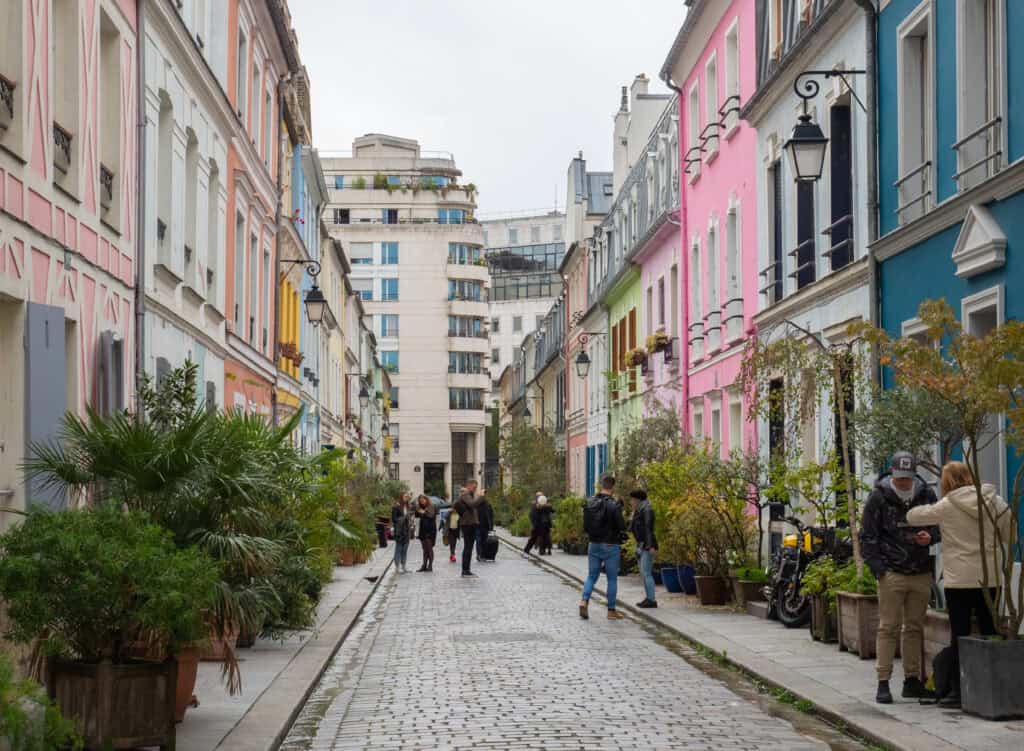
Rue Cremieux in Paris once felt like a small shared secret, just a short row of painted houses on a quiet cobbled lane. Then the street turned into a backdrop for dance videos, fashion shoots, and endless influencer poses, often staged inches from residents’ windows. People who lived there formed an association, put up signs asking for privacy, and pushed for gates to close the lane during busy hours. The pastel facades still exist, but the mood has shifted from playful to guarded as locals fight to reclaim their front steps. Online it still reads as a cheerful open-air set, yet in reality it is a row of homes drawing firmer boundaries.
Notting Hill, London, Pastel Stoops Push Back

Notting Hill’s pastel terraces became shorthand for London charm, so recognizable that front steps turned into unpaid studios. Groups arrived with outfit changes, speakers, and props, blocking sidewalks and sitting on private stoops without asking. Some owners responded with chains, no-photo signs, or by repainting their houses in darker colors, and local rules let police move on obstructions. The neighborhood remains lively, but the welcome has cooled as residents push back against the idea that their front doors belong to strangers. The houses show up online, but the mood favors quick photos and steps kept for the people who live there.
Santorini, Greece, Rooftop Selfies Meet Sacred Space
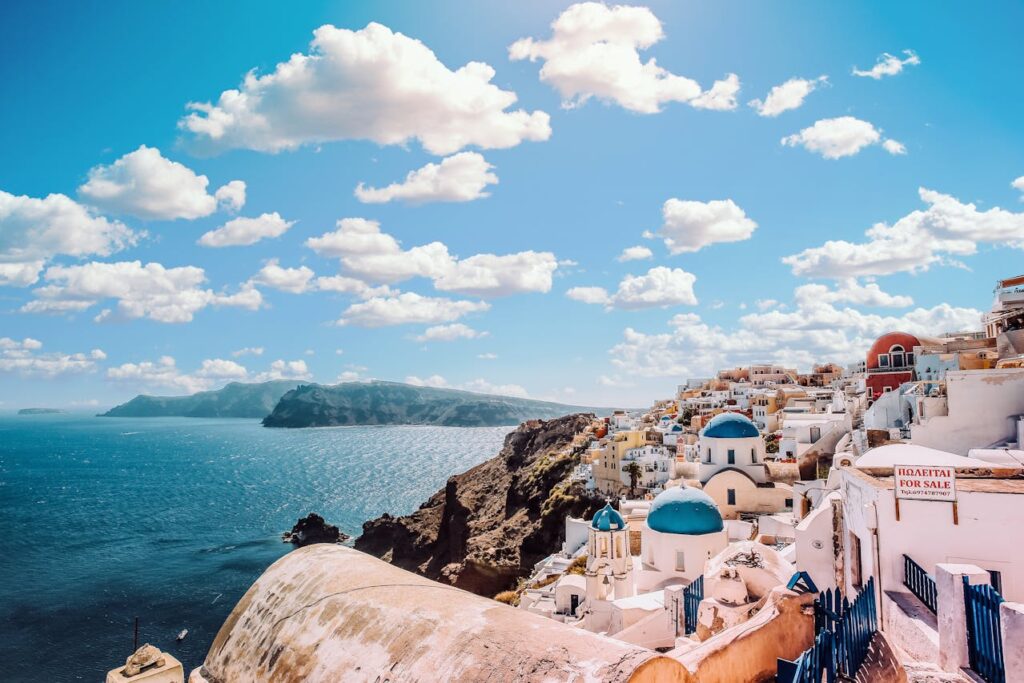
In Oia on Santorini, the blue-domed churches became such strong visual shorthand that visitors began climbing onto rooftops for the perfect angle. Tiles cracked, plaster wore down, and religious spaces turned into informal viewing platforms before sunset. Local clergy and residents pushed back with do-not-climb signs, locked gates, and patrols that redirect people off the roofs. The caldera view still looks unreal on camera, but the most coveted shot now means staying on paths and accepting that some angles are off-limits. Awe is still welcome, but the island reminds everyone that sacred roofs are not stages and do not need more footprints.
Other Blog Posts You Might Enjoy
www.idyllicpursuit.com (Article Sourced Website)
#Popular #Instagram #Spots #Local #Rules #Changed #Bad #Tourist #Behavior #Idyllic #Pursuit