
We may earn money or products from the companies mentioned in this post. This means if you click on the link and purchase the item, I will receive a small commission at no extra cost to you … you’re just helping re-supply our family’s travel fund.
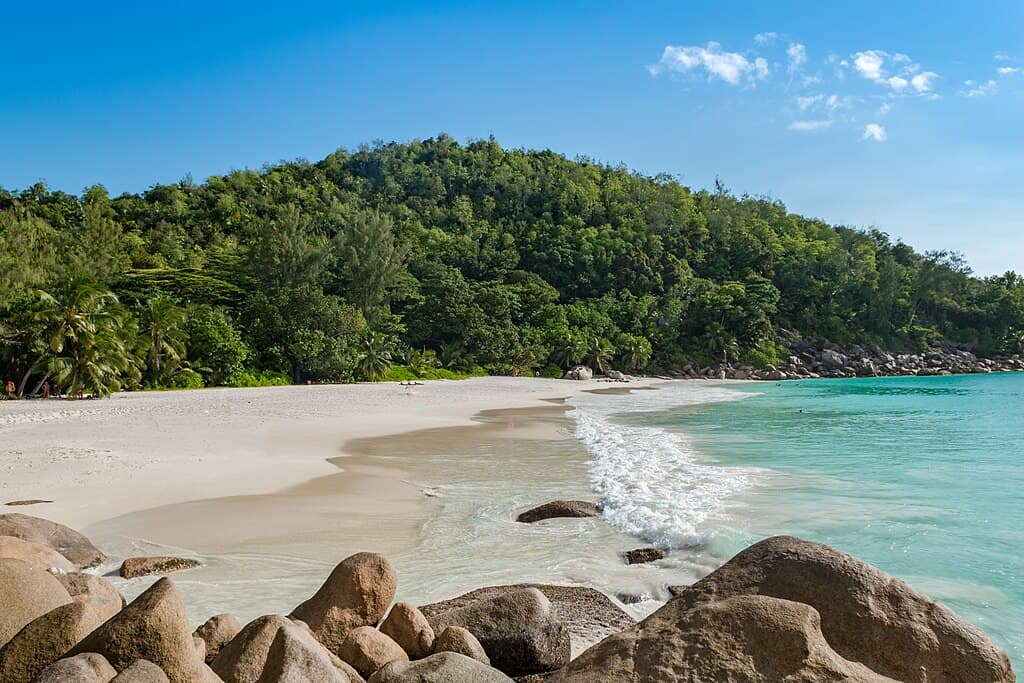
Across many coastlines, beaches once enjoyed freely by the public have gradually shifted toward restricted or selective access. Though most countries legally protect the shoreline as a shared resource, practical entry has become complicated by private roads, resort control, and costly amenities. Over time, these subtle but effective barriers reshape once-open landscapes into exclusive retreats. This list explores ten beaches where public access still exists on paper but has become so limited or inconvenient that they feel almost entirely privatized today.
1. Martins Beach : California, USA
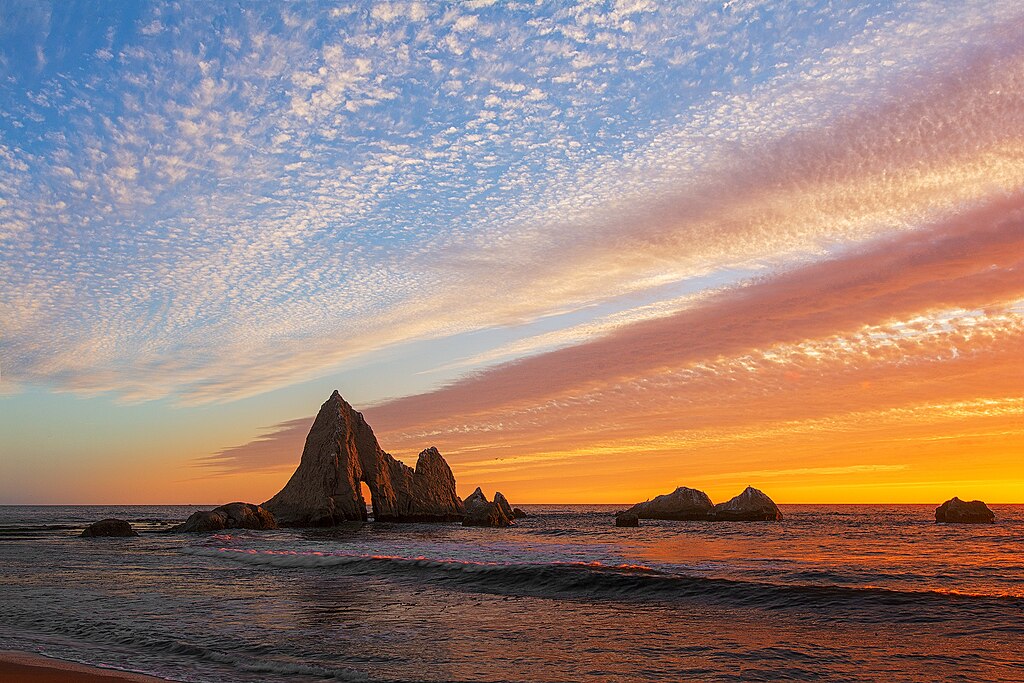
Martins Beach was once a beloved local spot that drew hundreds during summer weekends, but its only access route crosses a 53-acre property purchased by a private owner who closed the gate in 2010. Although California law requires that traditional public routes be preserved, prolonged court battles and intermittent closures have discouraged many would-be visitors. Surfers estimate the daily count has dropped from roughly 200 people to fewer than 30 since parking near the entrance is now restricted, forcing long roadside walks to reach the shore.
2. Anse Georgette : Praslin, Seychelles
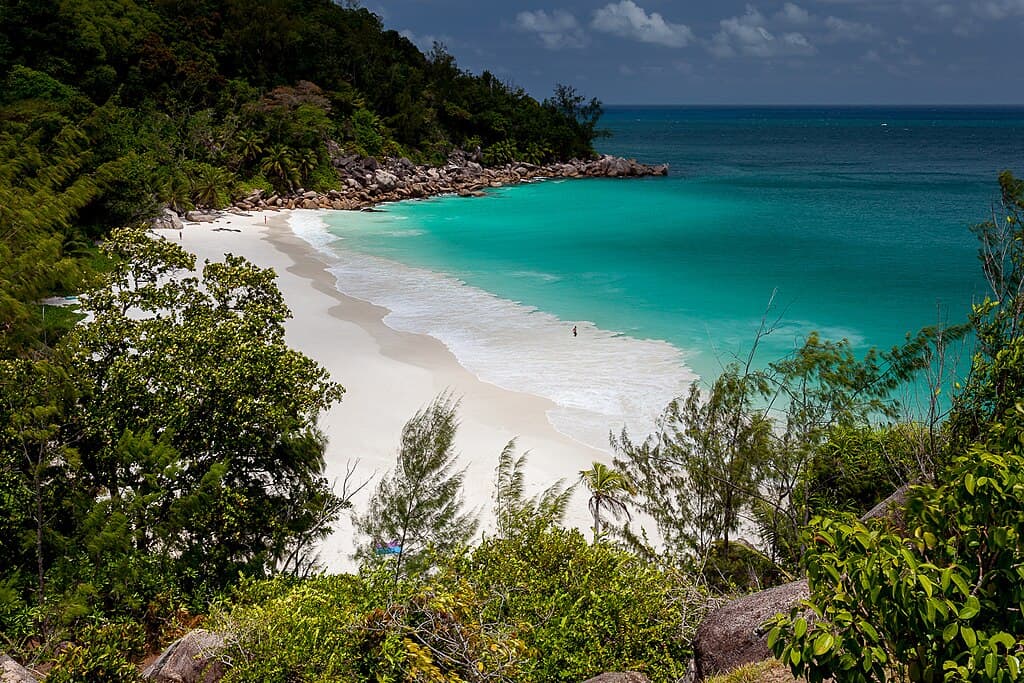
Anse Georgette’s turquoise water and powdery sand once welcomed visitors freely, but practical access now runs through the Constance Lémuria Resort, which limits entry through a booking system. While the beach remains public, only about 30 to 35 external visitors are approved per day, creating a controlled flow that strongly favors resort guests. Walk-ins are rarely allowed due to security protocols. Reports suggest that the percentage of local visitors has fallen by more than 60% over the past decade because few tourists know the alternative hiking path.
3. Broadsands Beach : North Devon, UK
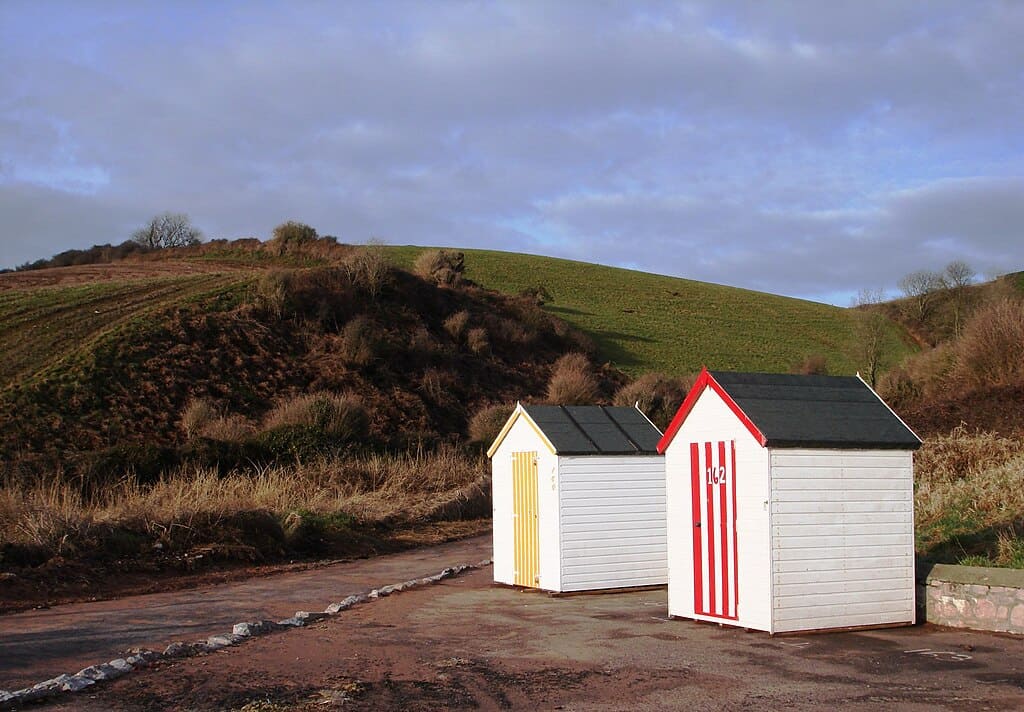
Broadsands Beach, a small but picturesque cove, has faced effective privatization after the coastal path used by roughly 20,000 walkers annually was destroyed in a storm. The landowner, who controls the access steps and surrounding cliffside, closed the route indefinitely, citing safety and repair costs. As a result, the only practical way to reach the beach today is by boat or kayak, a barrier that reduces casual foot traffic by more than 90%. Locals have pushed for public-right-of-way restoration, but no reconstruction timeline has been announced.
4. Laguna Beach Section : California, USA
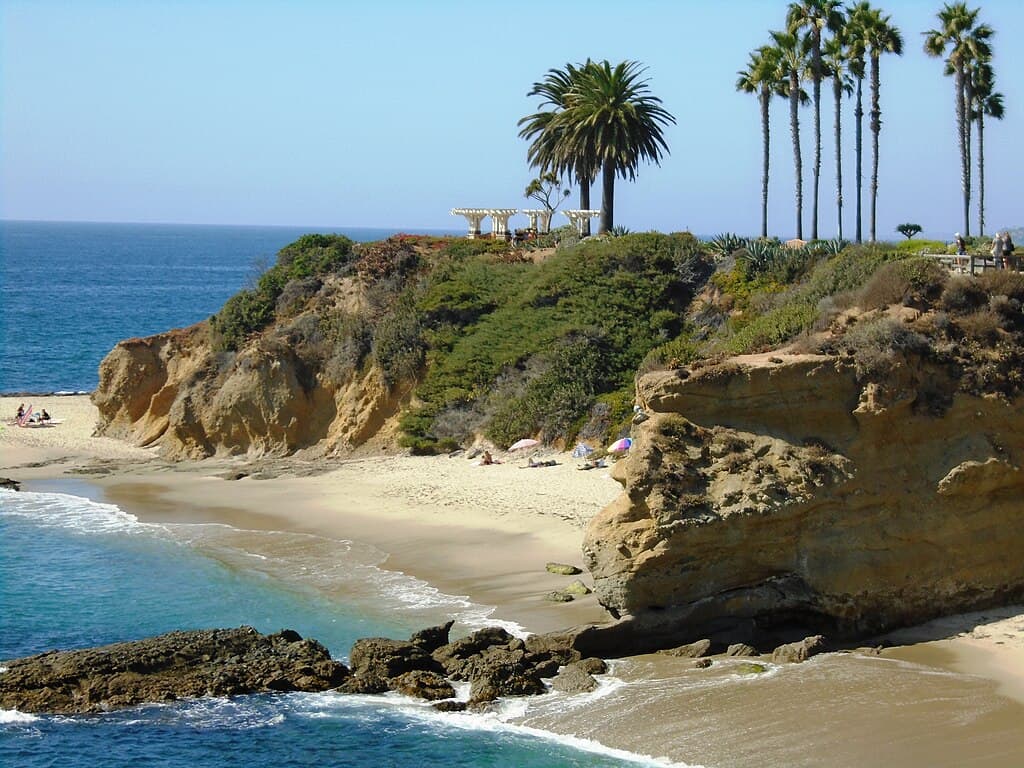
In Laguna Beach, a section near the historic Hotel Laguna has become effectively privatized as beachgoers encounter rows of guest-only loungers, elevated berms, and signage implying restricted access. Although California’s coastline is legally public, these visual and spatial cues subtly deter non-guests from using the area. Inspections showed that up to 70% of the sand was taken up by hotel setups on peak days, leaving little practical room for outsiders. Complaints surged after some visitors believed they were being redirected away from a public right-of-way.
5. Resort-Controlled Beaches : Los Cabos, Mexico
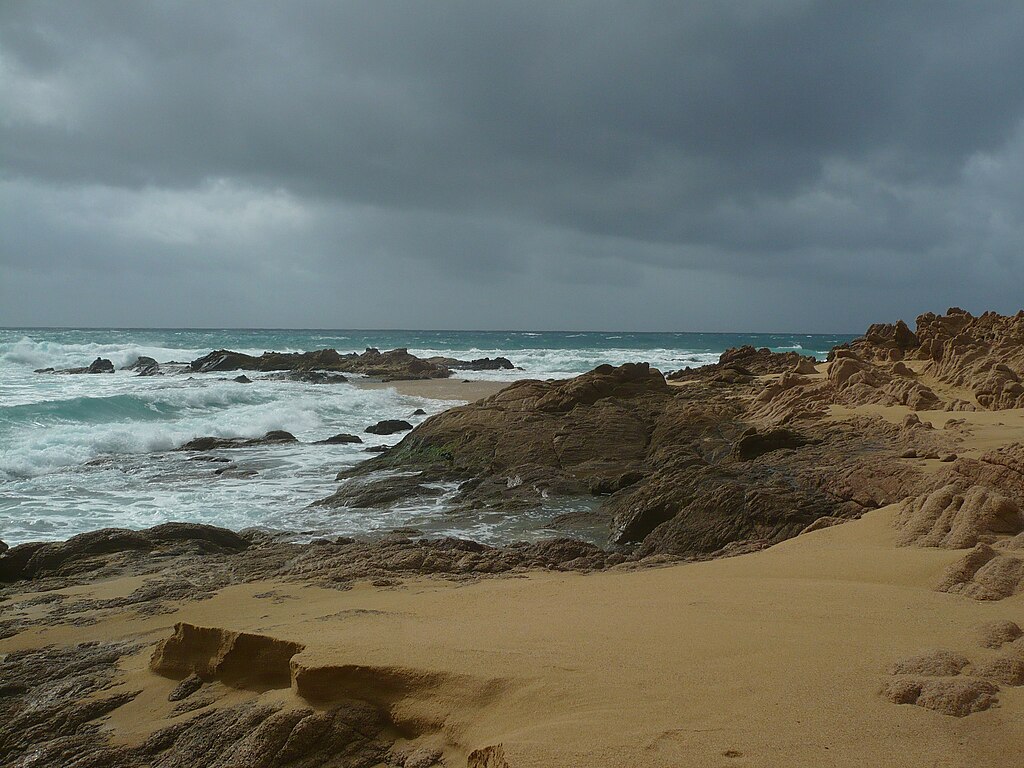
Mexico ensures all beaches remain public, yet in coastal hubs like Los Cabos, resorts control most physical entry points, making it difficult for non-guests to approach the shoreline. Surveys in 2023 documented more than 40 blocked or restricted access paths along major tourist zones. Locals increasingly report detours over 1 kilometer just to find open routes, and some beachfront clubs charge between $20 and $60 for umbrella or chair access. Although the federal government mandates public corridors, enforcement is inconsistent, enabling effective privatization through deterrence.
6. Ölüdeniz Beaches : Turkish Riviera, Türkiye
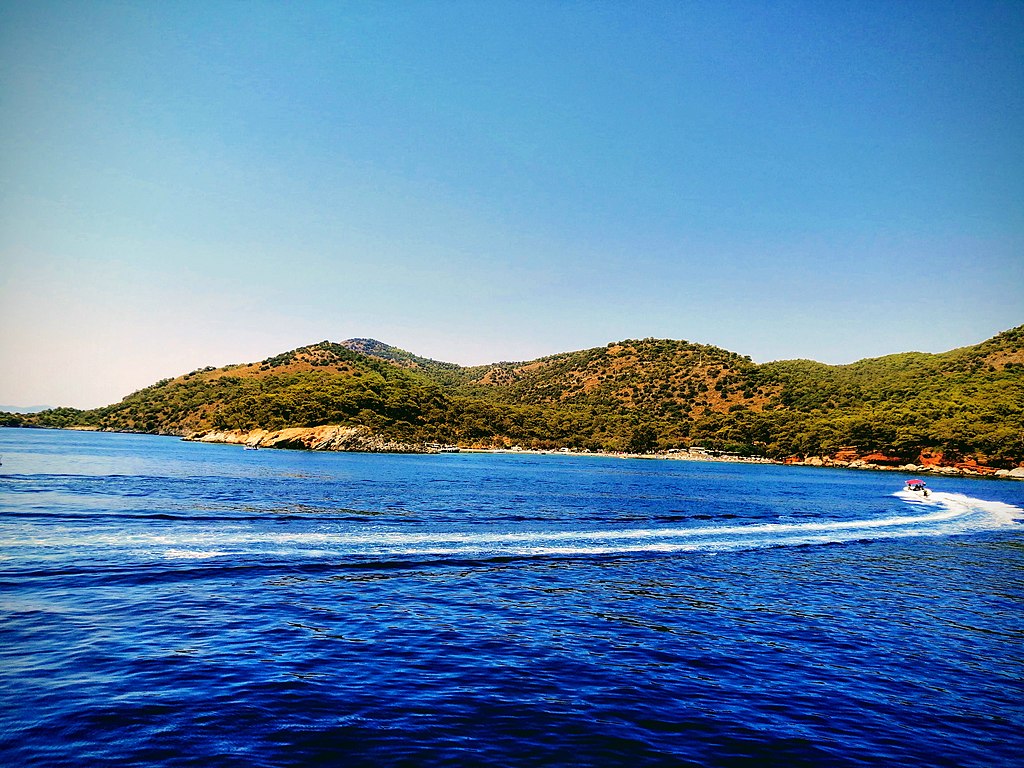
The famous lagoon area in Ölüdeniz once functioned as a largely open community beach, but many stretches are now managed through private concessions that rent sunbeds, kayaks, and shaded areas at premium prices. In peak months, more than 80% of the usable shoreline is taken up by organized setups, leaving limited free space. Locals note that daily visitor fees, often between 200 and 350 lira, create a financial barrier. Though the beach technically remains public, these concessions have turned what was once a spontaneous gathering area into a semi-gated environment.
7. Ligurian & Adriatic Strips : Italy
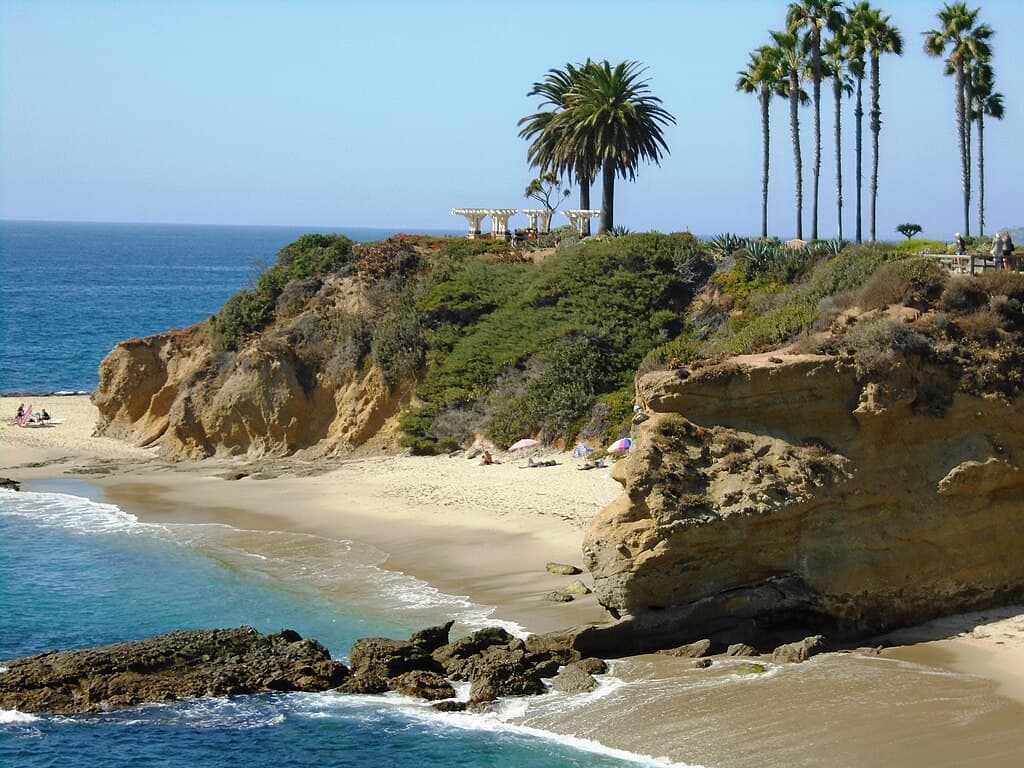
Long sections of Italy’s coast, especially in Liguria and along the Adriatic, have shifted toward private control through long-term “stabilimento balneare” concessions. These clubs occupy an estimated 50% to 70% of many sandy stretches, offering rows of paid loungers and fenced terraces that leave narrow corridors for free public access. Prices for a single umbrella-and-chair setup can exceed €40 per day in peak season. Although Italian law guarantees shoreline access, the heavy presence of commercial operators creates a landscape where unpaid visitors often feel marginalized.
8. Blackpool Sands : Devon, UK
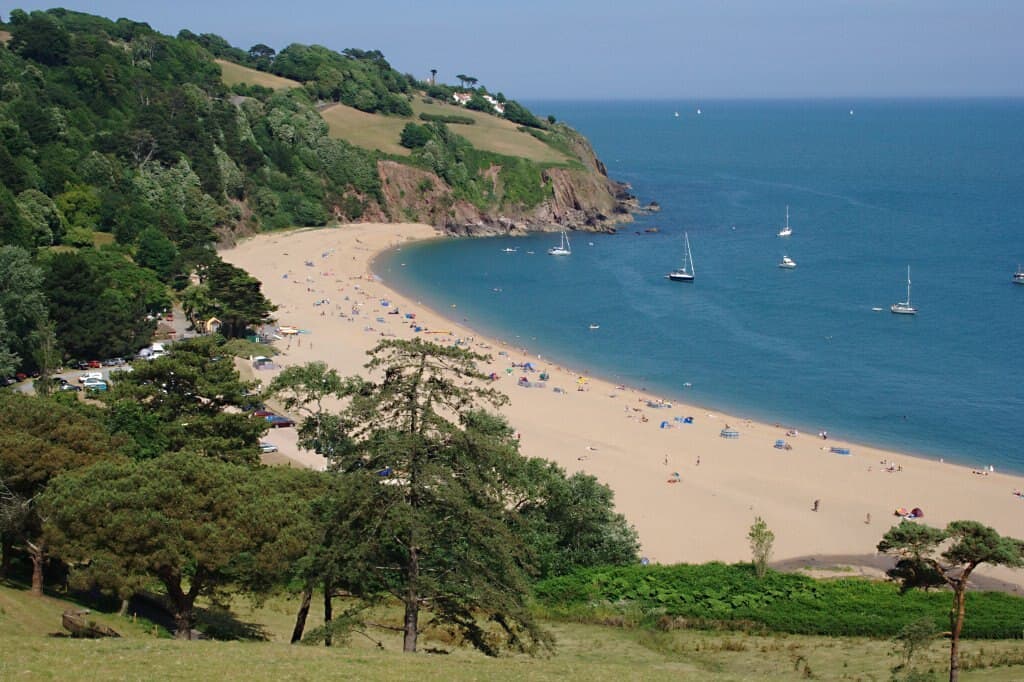
Despite its name, Blackpool Sands is a privately owned beach that charges for parking and facilities, subtly transforming it into a semi-exclusive setting even though public entry is allowed on foot. Parking for a day can cost up to £10 in high season, and visitors report that amenities such as showers and changing areas are reserved for paying customers. The beach’s owners maintain strict rules that differ from typical public beaches, and these regulated conditions have reduced spontaneous local visits by an estimated 40% over the last decade.
9. Resort-Blocked Routes : Tulum, Mexico
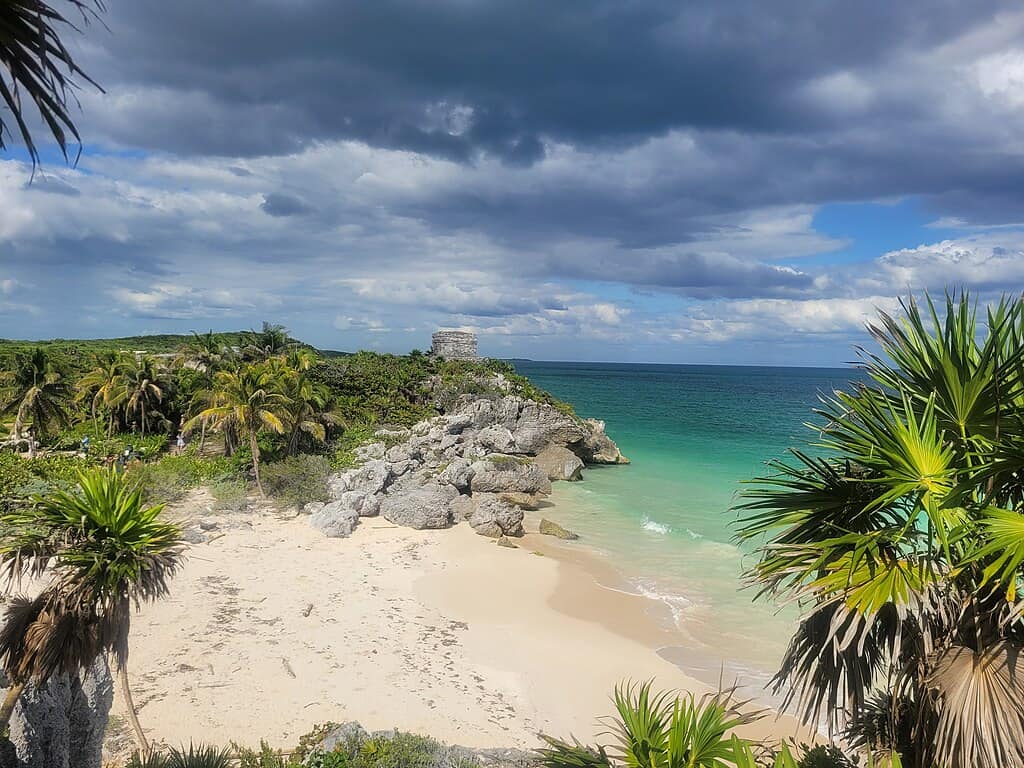
In Tulum, numerous beachfront resorts and boutique hotels line the coast, and although the beach is legally accessible, the pathways leading to it often pass through private frontage. Visitors increasingly find that the nearest open public corridor may be several hundred meters to over a kilometer away. Local surveys indicate more than 25 access points have become obstructed or redirected since 2018. Once casual and open, the coastline now feels segmented, and many travelers end up paying for club entry simply because they cannot locate a straightforward public route.
10. Sea Gate Section : Coney Island, New York, USA
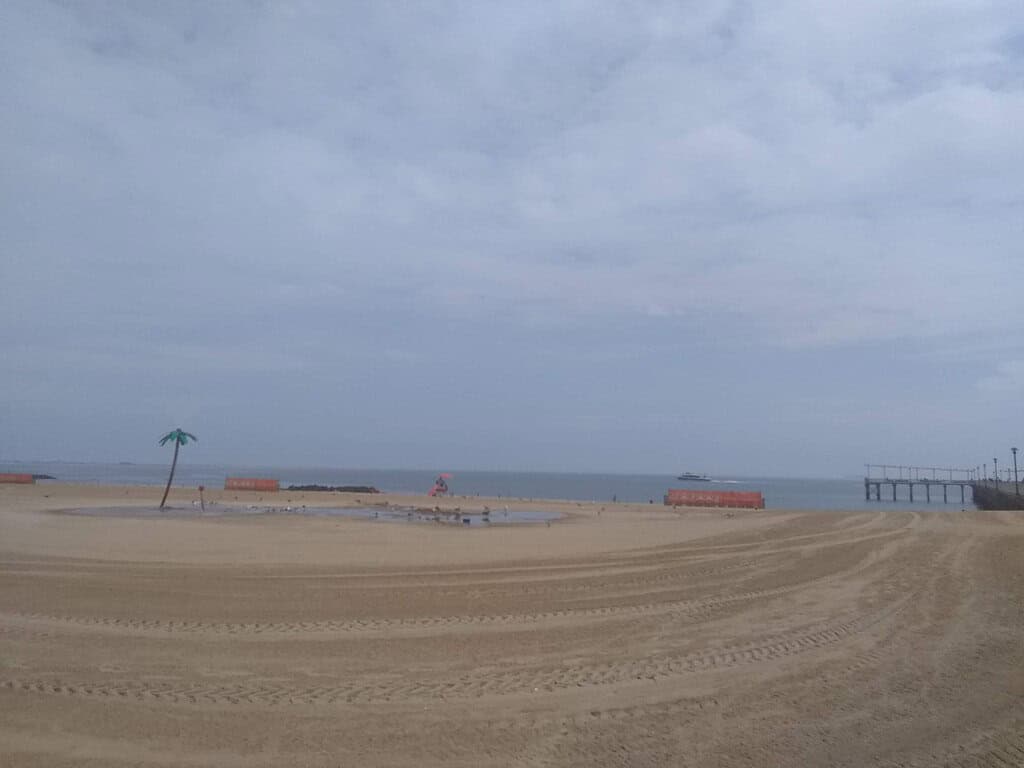
While most of Coney Island draws millions each summer, the Sea Gate community controls a western section of the shoreline that is accessible only to residents and registered guests. This fenced perimeter spans roughly 0.8 kilometers of beach, making it one of the few private coastal enclaves in New York City. Security checkpoints and restricted roads prevent public entry, and patrols ensure that non-residents cannot wander in from adjacent areas. Though surrounded by urban density, this pocket remains effectively off-limits to the broader public.
Other Blog Posts You Might Enjoy
www.idyllicpursuit.com (Article Sourced Website)
#OncePublic #Beaches #Effectively #Privatized #Idyllic #Pursuit