
We may earn money or products from the companies mentioned in this post. This means if you click on the link and purchase the item, I will receive a small commission at no extra cost to you … you’re just helping re-supply our family’s travel fund.
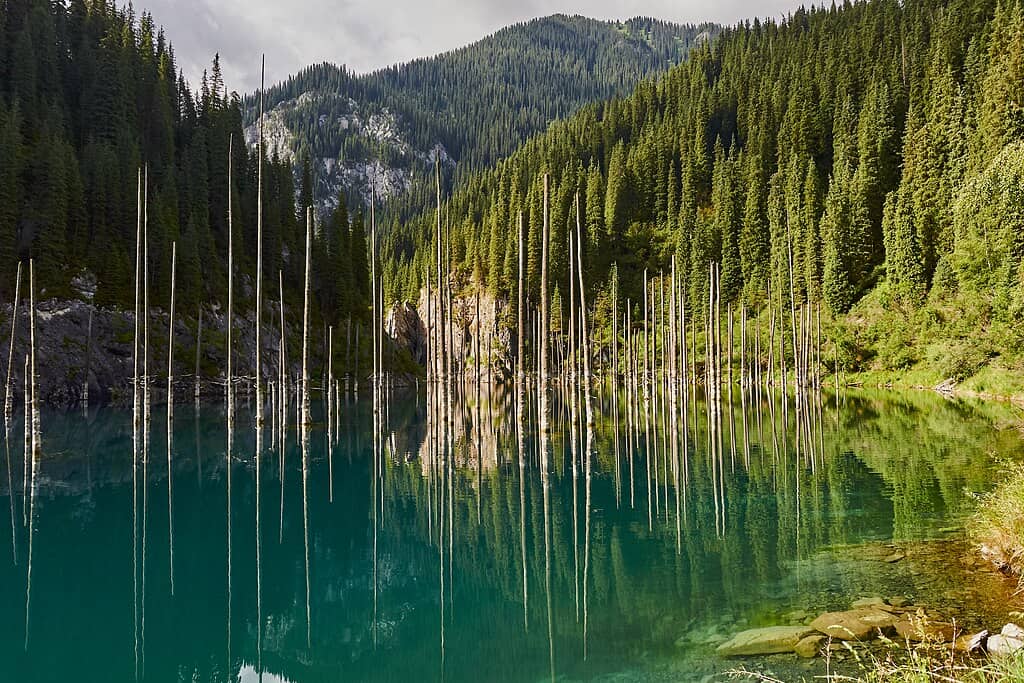
Travel trends now spread faster than ever, often turning quiet locations into crowded photo stops within months. Yet, there are still remarkable places where natural beauty, culture, and atmosphere remain largely untouched. These destinations aren’t hidden because they lack appeal, they’re hidden because access is limited, promotion is minimal, or they simply sit outside mainstream itineraries. For travelers who value originality, timing matters. Visiting before popularity explodes means fewer crowds, stronger local connections, and images that still feel rare. The following places stand out not just for looks, but for the feeling of discovery they still offer, right before the world catches on.
1. Valbona Valley, Albania
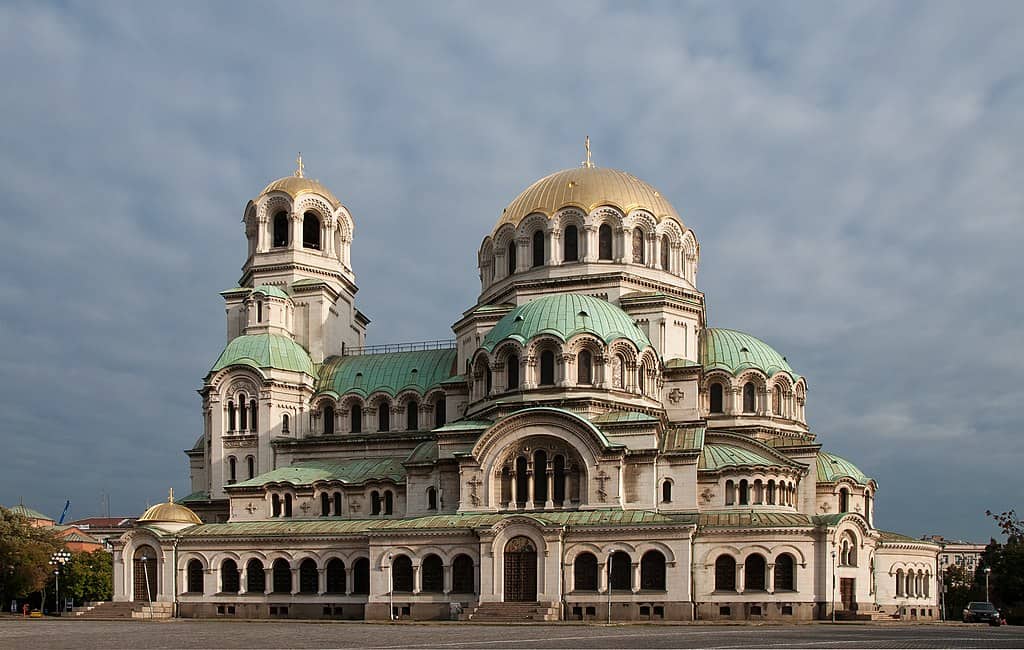
Located within Albania’s Accursed Mountains, Valbona Valley sits at an altitude of roughly 1,000 meters and spans over 8,000 hectares of protected alpine terrain. Sharp limestone peaks rise above open meadows, pine forests, and icy streams fed by snowmelt. Fewer than 30,000 visitors reach the valley annually, compared to millions in the Alps. Traditional guesthouses built from wood and stone add texture to photos, while morning fog often settles between peaks. Summer temperatures average 22°C, making hiking visually dramatic yet comfortable. As Albania’s tourism grows by over 20% yearly, Valbona’s quiet days are numbered.
2. Hidden Dunes of Huacachina, Peru
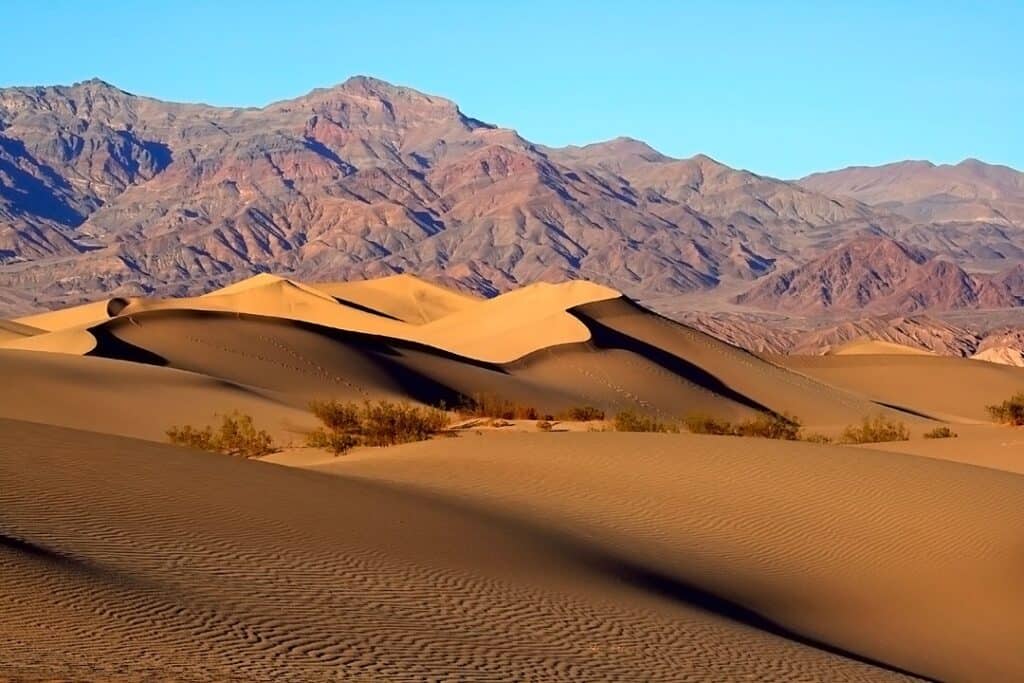
Beyond Huacachina’s famous oasis lies a vast dune system stretching over 15 kilometers, where temporary rain-fed lagoons appear after seasonal storms. These pools last only weeks, reflecting golden sand and sky with mirror-like clarity. The surrounding dunes rise nearly 300 meters high, creating smooth, untouched curves ideal for aerial or wide-angle shots. Fewer than 10% of visitors venture past the main oasis, keeping this area visually pristine. Sunset temperatures hover near 25°C, and the shifting light dramatically alters colors. With Peru’s desert tourism rising steadily, these fleeting landscapes won’t remain undocumented for long.
3. Kvernufoss Waterfall, Iceland
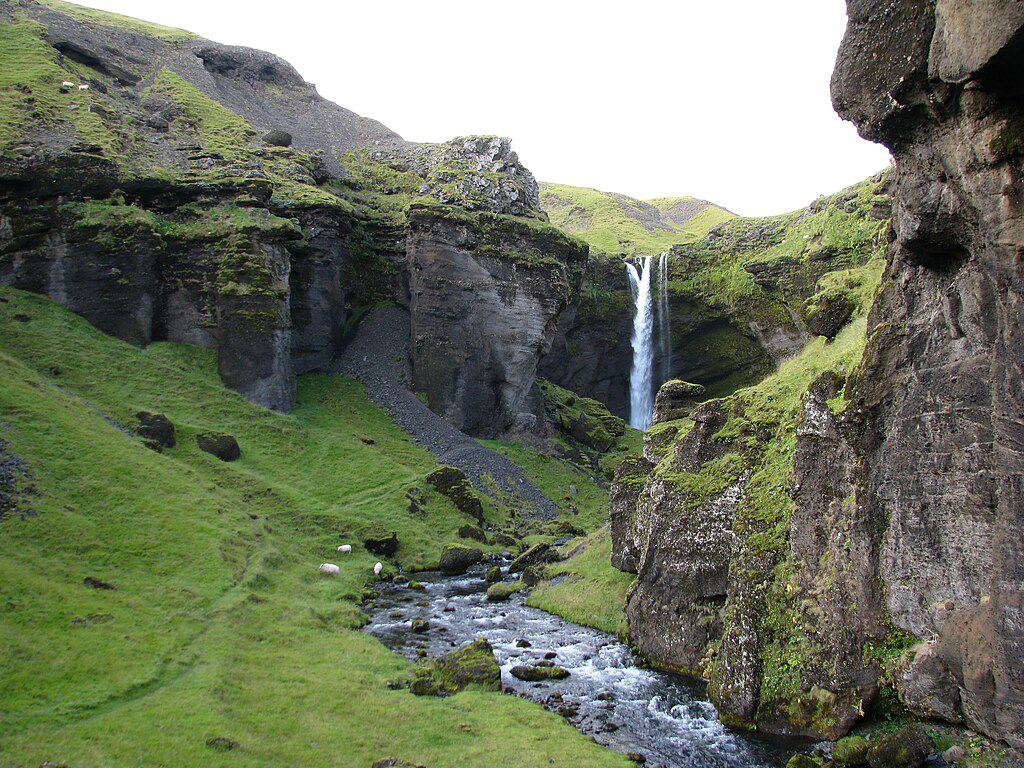
Kvernufoss drops nearly 30 meters inside a narrow volcanic gorge just 1 kilometer from crowded Skógafoss. Despite its proximity, daily foot traffic here is often under 5% of nearby attractions. Moss-covered cliffs, black basalt rock, and glacial water combine for striking contrast-heavy imagery. Visitors can walk behind the waterfall, capturing rare perspectives with flowing water in the foreground. Summer daylight lasts up to 20 hours, offering long shooting windows. As Iceland receives over 2 million tourists annually, secluded waterfalls like Kvernufoss are rapidly disappearing from the “hidden” category.
4. Lower Trails of Civita di Bagnoregio, Italy
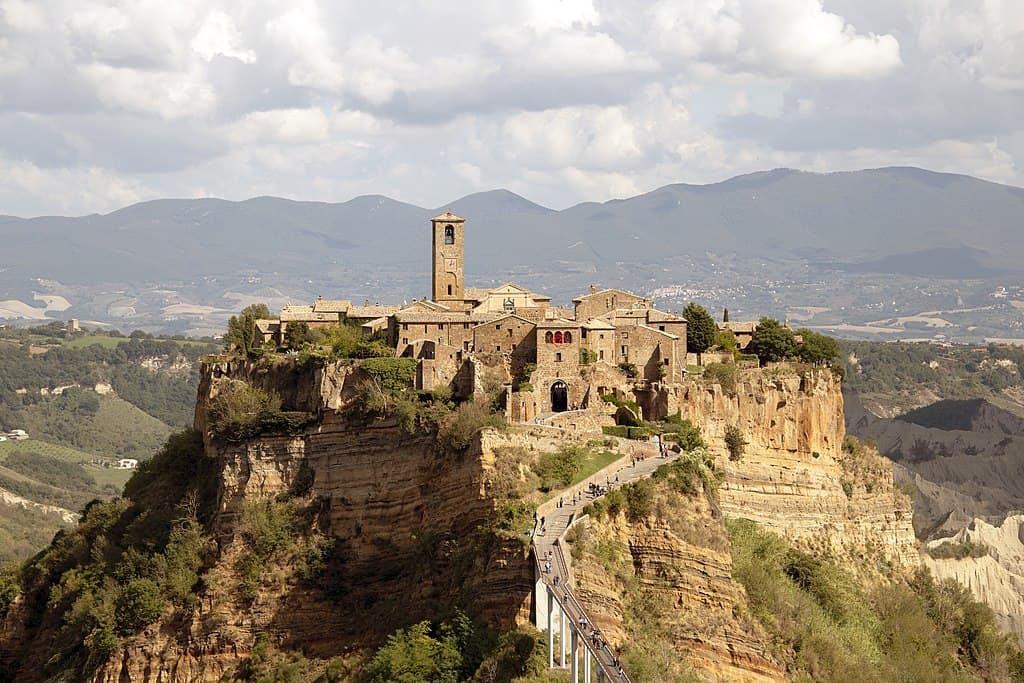
While Civita di Bagnoregio attracts nearly 1 million visitors yearly, fewer than 15% explore the lower walking paths beneath the village. These trails circle fragile clay cliffs eroding at an estimated rate of 7 centimeters per year. From below, the town appears suspended above the valley, especially striking during golden hour. Wild grasses, old stone ruins, and open farmland frame the view naturally. The elevation difference of nearly 150 meters adds depth to photos. As overtourism reshapes Italy’s iconic towns, these overlooked angles offer rare visual breathing room, for now.
5. Northern Cliffs of Kalsoy, Faroe Islands
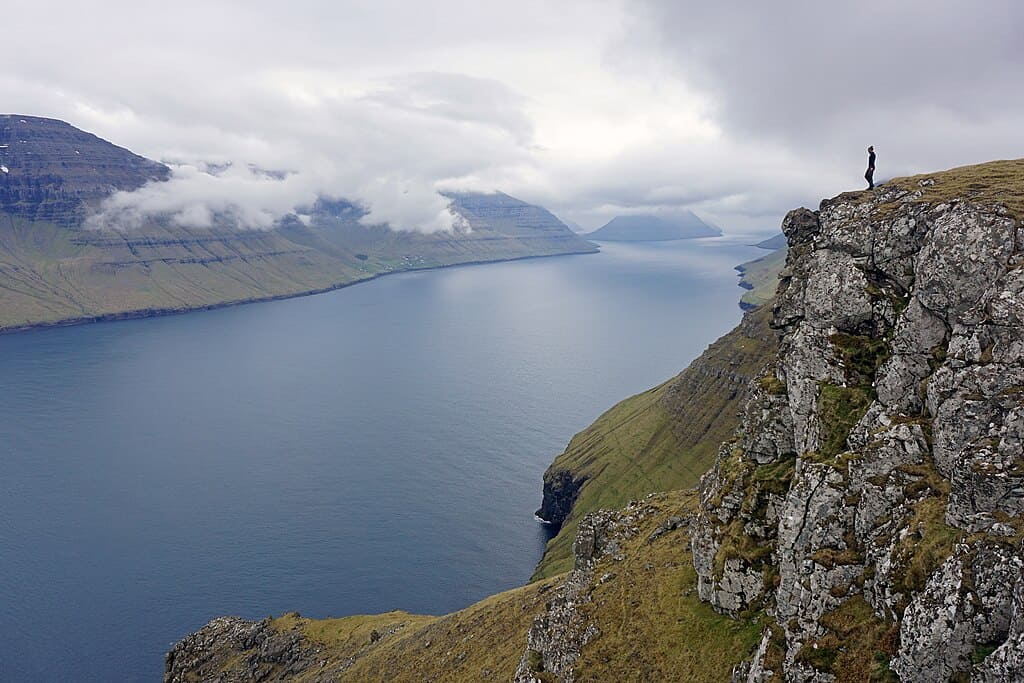
Kalsoy Island measures just 12 kilometers long, yet its northern cliffs plunge over 700 meters straight into the Atlantic. Daily visitors often number under 100, even in peak summer. The landscape features narrow ridgelines, deep fog layers, and steep green slopes shaped by constant wind. Sheep outnumber residents nearly 10 to 1, reinforcing the untouched feel. Weather shifts rapidly, creating dramatic light within minutes. With Faroe Islands tourism increasing by roughly 12% annually and new air routes opening, Kalsoy’s emptiest viewpoints are unlikely to stay quiet much longer.
6. Aït Bouguemez Valley, Morocco
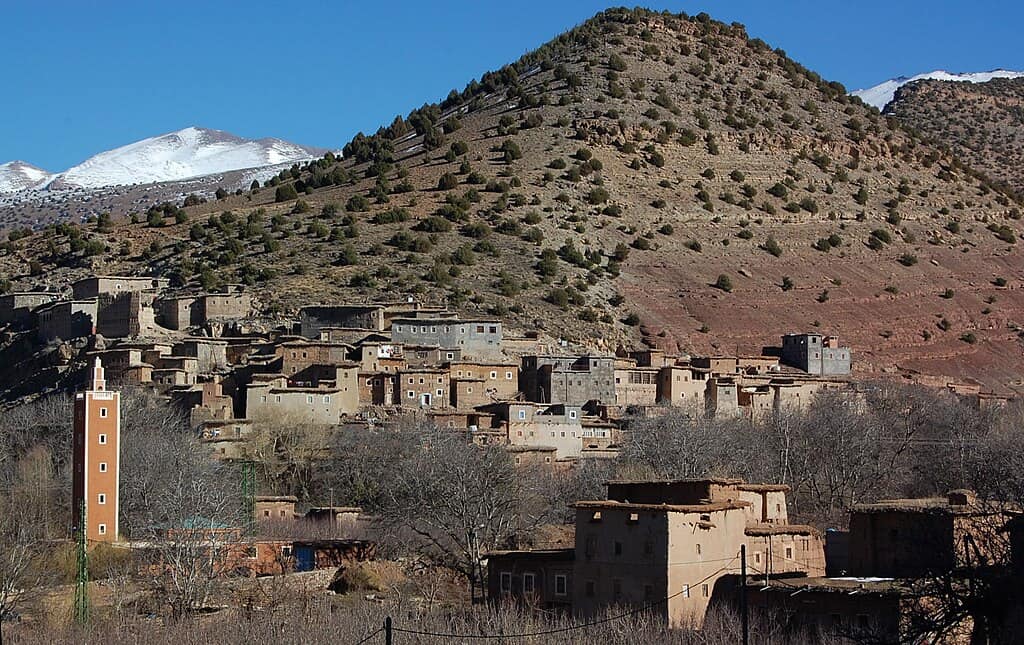
Set at 1,800 meters in Morocco’s High Atlas Mountains, Aït Bouguemez stretches nearly 25 kilometers between rugged peaks exceeding 4,000 meters. The valley is home to about 15,000 residents across small mud-brick villages that blend into the terrain. Fields are still farmed by hand, and footpaths replace paved roads in many areas. Earth-toned architecture, snow-capped backdrops, and clear night skies offer visually rich storytelling. Visitor numbers remain under 40,000 annually, far lower than Marrakesh. As Morocco diversifies its tourism beyond cities, this valley’s visual appeal won’t remain niche.
7. Lake Kaindy, Kazakhstan
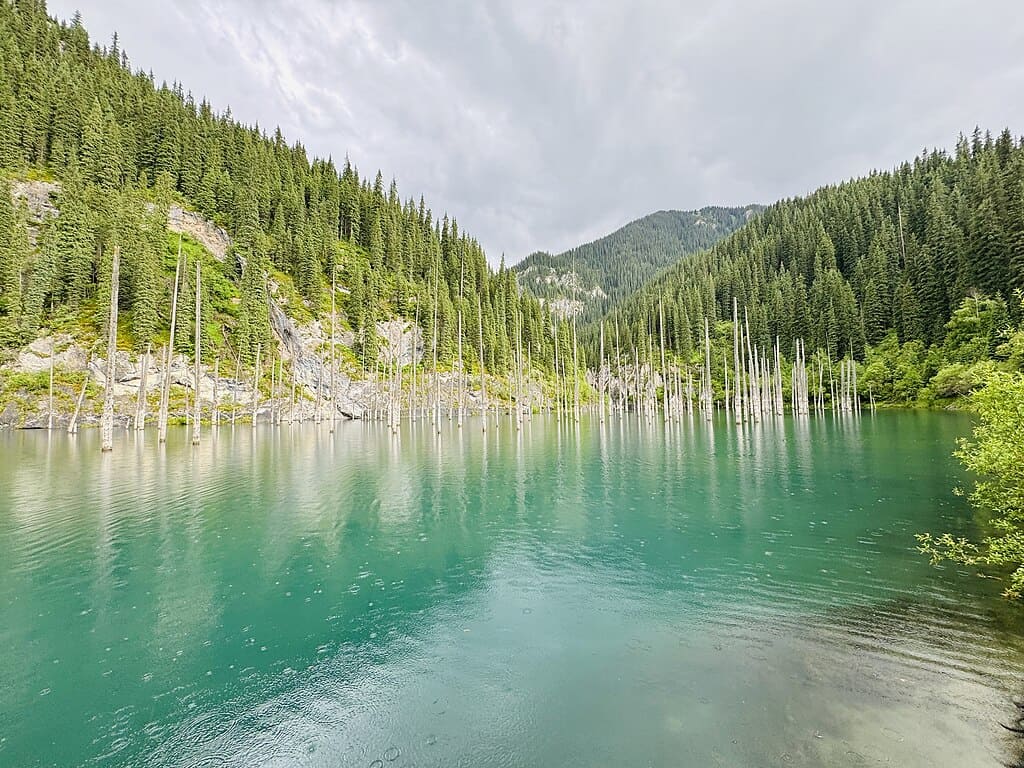
Lake Kaindy formed after a 1911 earthquake and sits at an elevation of 2,000 meters within the Tian Shan mountains. Its most striking feature is over 400 submerged spruce trees rising from turquoise water, preserved by temperatures averaging 6°C. The lake measures just 400 meters long, yet delivers striking symmetry and color contrast. Annual visitors remain under 50,000 due to remote access and rough roads. Seasonal color shifts from deep blue to pale green, add variety to images. As Central Asia tourism grows steadily, Kaindy’s surreal scenery is primed for global attention.
8. Playa del Silencio, Spain
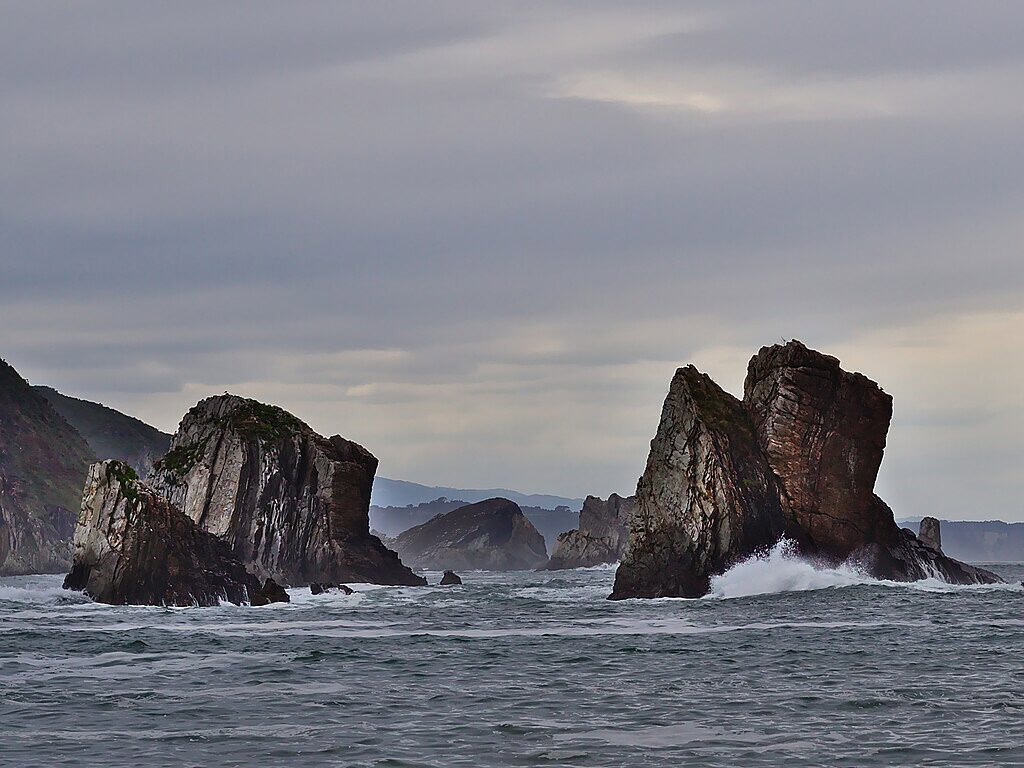
Playa del Silencio lies along Spain’s Asturian coast, framed by cliffs rising nearly 100 meters above the shoreline. The beach spans just 500 meters and lacks nearby hotels or commercial development. Access requires a short downhill walk, limiting crowds even in summer when temperatures average 24°C. Dark rock formations, powerful waves, and shifting cloud cover create moody, cinematic scenes. Visitor numbers remain modest compared to Mediterranean beaches receiving millions yearly. As northern Spain gains popularity for its wild coastline, Playa del Silencio’s quiet reputation may soon fade.
9. Remote Forest Trails of Yakushima, Japan
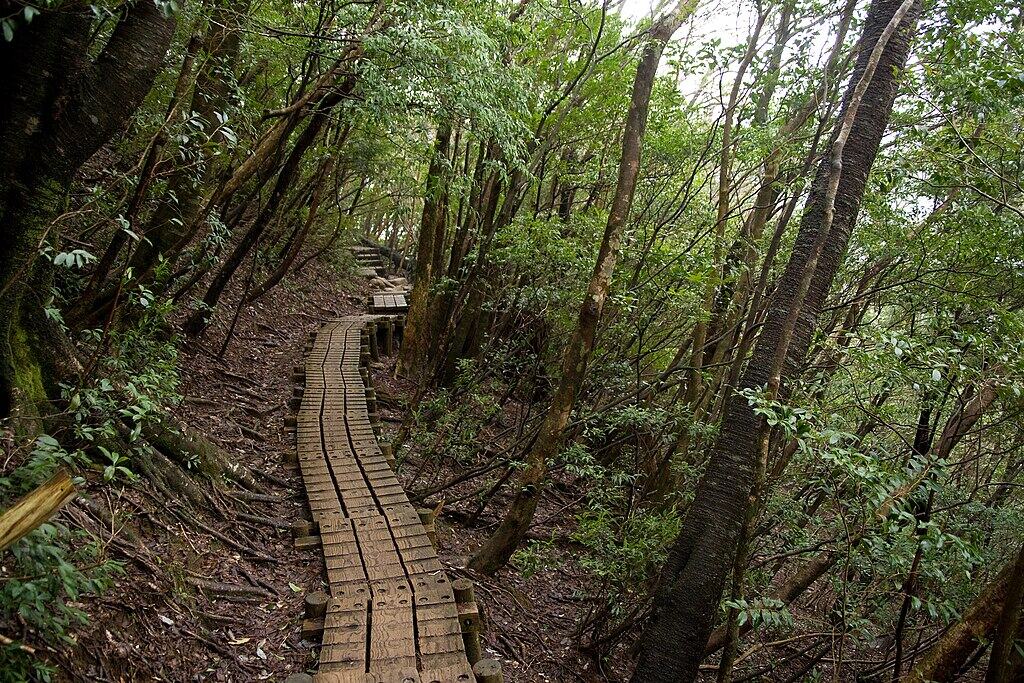
Yakushima Island receives around 300,000 visitors annually, yet most stay near coastal routes. Deep forest trails inland remain sparsely traveled, surrounded by cedar trees over 1,000 years old. Annual rainfall exceeds 4,000 millimeters, keeping moss vibrant and paths perpetually misty. Light filters softly through dense canopy, creating layered, dreamlike scenes. Elevations reach nearly 2,000 meters, adding terrain variety. These forests inspired animated worlds, yet remain far quieter than Japan’s urban landmarks. As eco-focused travel rises, Yakushima’s hidden interiors are poised for wider recognition.
10. East Coast Villages of Flores, Indonesia
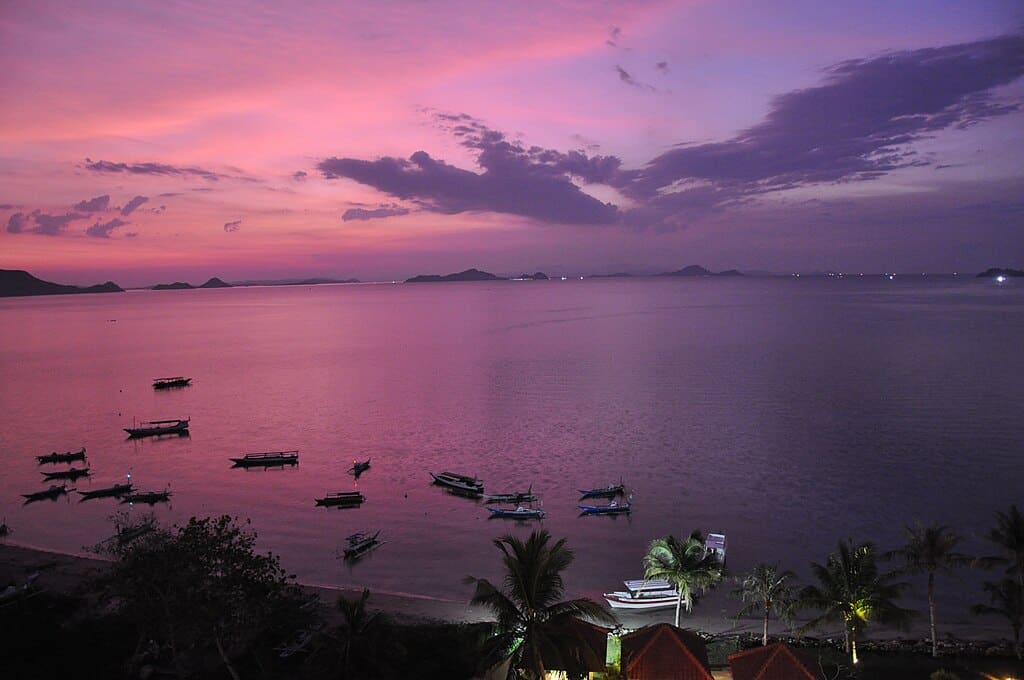
Eastern Flores lies far from Indonesia’s main tourist routes, despite the island stretching over 350 kilometers. Small fishing villages here see fewer than 5,000 foreign visitors annually. Black-sand beaches, pastel homes, and volcanic silhouettes define the landscape. Sunrise temperatures average 26°C, with calm seas reflecting traditional wooden boats. Infrastructure remains minimal, preserving authentic daily life. While western Flores grows busier due to Komodo tourism, the east remains visually untouched. As Indonesia promotes lesser-known islands, this coast offers a narrow window to capture island life before popularity reshapes it.
Other Blog Posts You Might Enjoy
www.idyllicpursuit.com (Article Sourced Website)
#Instagrammable #Hidden #Spots #Viral #Idyllic #Pursuit