
We may earn money or products from the companies mentioned in this post. This means if you click on the link and purchase the item, I will receive a small commission at no extra cost to you … you’re just helping re-supply our family’s travel fund.
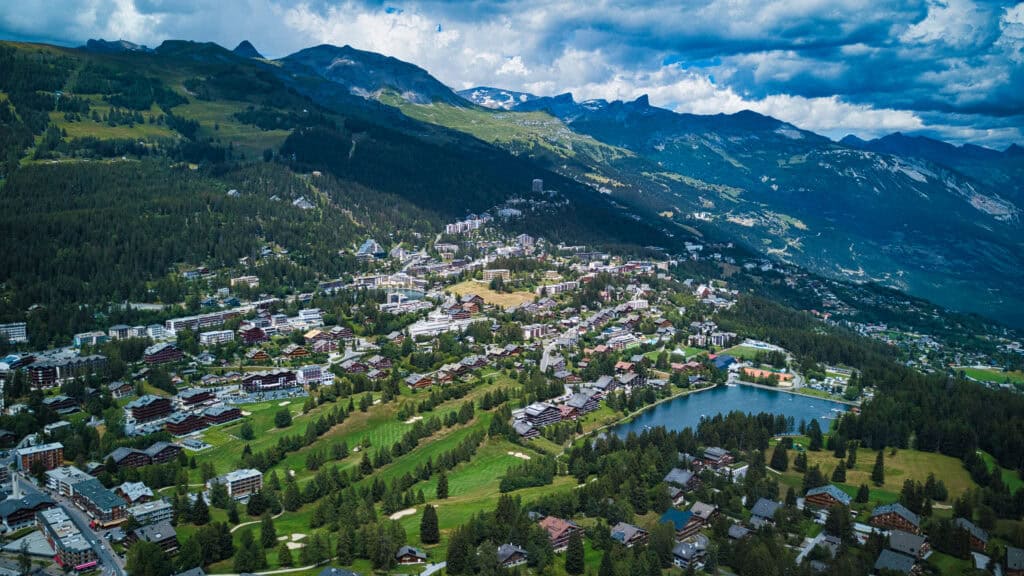
Ski towns trade on warmth and ease: cold air outside, amber light inside, and a late toast after the last run. Then a familiar room becomes a disaster scene. In Crans-Montana, Switzerland, a New Year’s Eve celebration at the Le Constellation bar turned deadly when a fire spread quickly through a crowded venue, killing about 40 people and injuring more than 100. Investigators and eyewitness reports pointing to indoor sparklers near a wooden ceiling, plus severe bottlenecks during escape, landed like a warning flare for winter travel.
Crowds Make Small Hazards Explode

Holiday après-ski crowds change the physics of a room, because once bodies fill every gap, a stool in the aisle, a pile of ski jackets, or a slow-moving bar line becomes a choke point that nobody notices until the surge begins. Eyewitness accounts from Crans-Montana described panic and bottlenecks as people tried to get out at once, a reminder that tiny layout problems can turn lethal in seconds when visibility drops and everyone moves the same direction. Choosing calmer venues, arriving earlier, keeping bags off the floor, and stepping out the moment staff stops controlling capacity preserves space, air, and choices.
Exit Awareness Has To Be Early
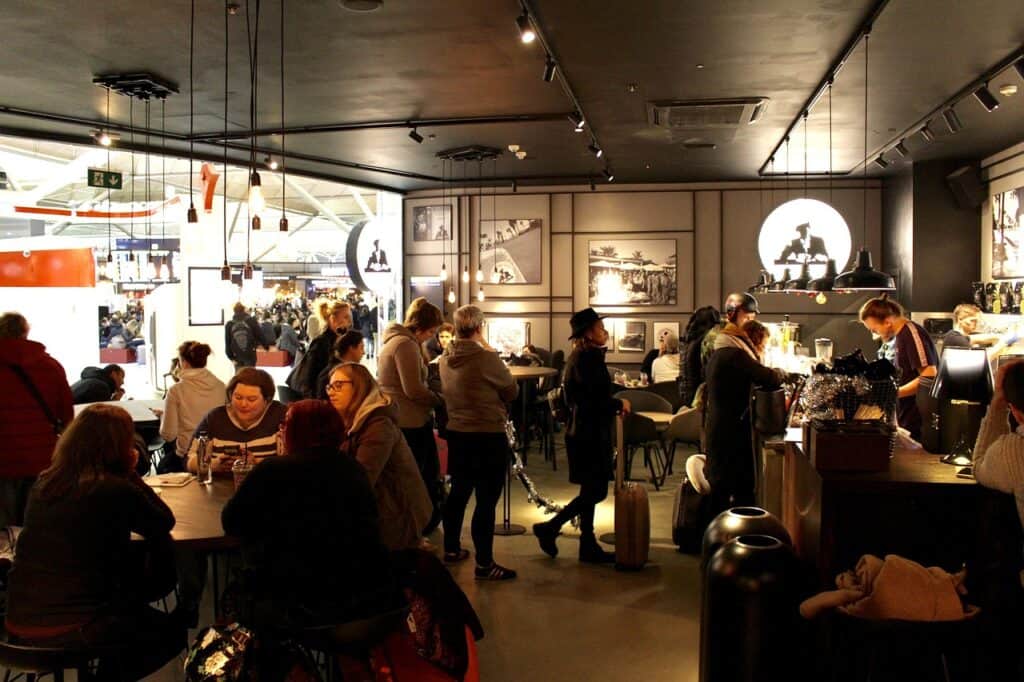
Exit awareness works best before attention narrows, because in emergencies crowds often surge toward the entry door even when a side stair, patio gate, or service corridor is closer and wider, and that first instinct becomes a trap. Reporting from Crans-Montana highlighted a packed room and a constricted escape route, where bottlenecks formed quickly in dim light and heavy winter layers as people tried to flee through limited space. Noting two distinct ways out, spotting narrow stairs and locked side doors, and choosing a place to stand that is not boxed in by the densest crowd makes it easier to move with purpose instead of panic.
Indoor Sparklers Are Not Harmless
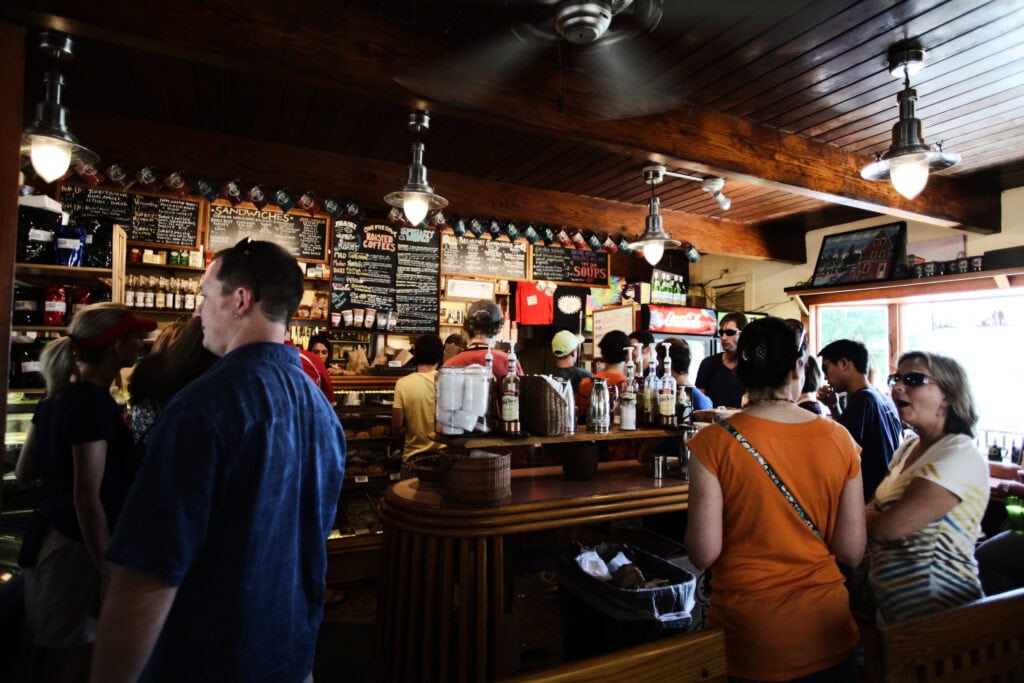
Swiss investigators said sparkling flares on bottles likely ignited the blaze when they reached a wooden ceiling, which should end the idea that indoor pyrotechnics are harmless décor at a winter party. Fire effects add sparks and heat to rooms already loaded with alcohol, bulky jackets, and limited airflow, and the danger rises fastest when smoke has nowhere to go and staff is trying to entertain instead of managing space and exits. Venues that ban sparklers indoors, keep any flame well below ceilings, and clear aisles before celebrations signal discipline, while places that treat it casually are signaling risk.
Materials And Layout Decide Speed

Cozy interiors can turn dangerous fast, because low ceilings, wood finishes, heavy drapes, and tight table spacing help heat and smoke travel quickly, while bulky winter clothing makes everyone slower and wider in a crush. Witness descriptions from the Crans-Montana bar stressed a confined environment, the kind of space where a single spark or spill can escalate before anyone can think clearly. Rooms with wide aisles, visible alarms, uncluttered exits, and staff who keep pathways open are not luxuries, they are risk control, especially on holiday nights when every seat is taken, coats stack by the door, and tempers rise.
A Simple Group Rule Beats Guesswork
Chaos separates groups faster than most people expect, especially after midnight when phones are low, streets are icy, and friends drift between venues without noticing. After major incidents, responders may set checkpoints, close streets, and open family hotlines, and the normal landmarks of a resort town can disappear behind flashing lights, blocked roads, and long waits for transport. One meeting point, one check-in time, and one shared offline note with hotel details, emergency contacts, and a backup route turns a scattered night into a plan that still works when service drops and instincts start to fail fast.
Insurance And Medical Access Are Real Planning

Severe injuries can mean transfers to burn units, long admissions, and cross-border logistics that cost more than the trip itself, especially during peak winter weeks when flights and beds are scarce. After the Crans-Montana fire, authorities described identification challenges and patients being treated across multiple hospitals, showing how quickly care becomes a regional operation. Insurance that covers emergency medical treatment, evacuation, and trip interruption, plus saved policy numbers, passports, and contacts offline, turns paperwork into a tool instead of a delay when every hour matters and families need clear answers.
Local Emergency Basics Cut Through Panic
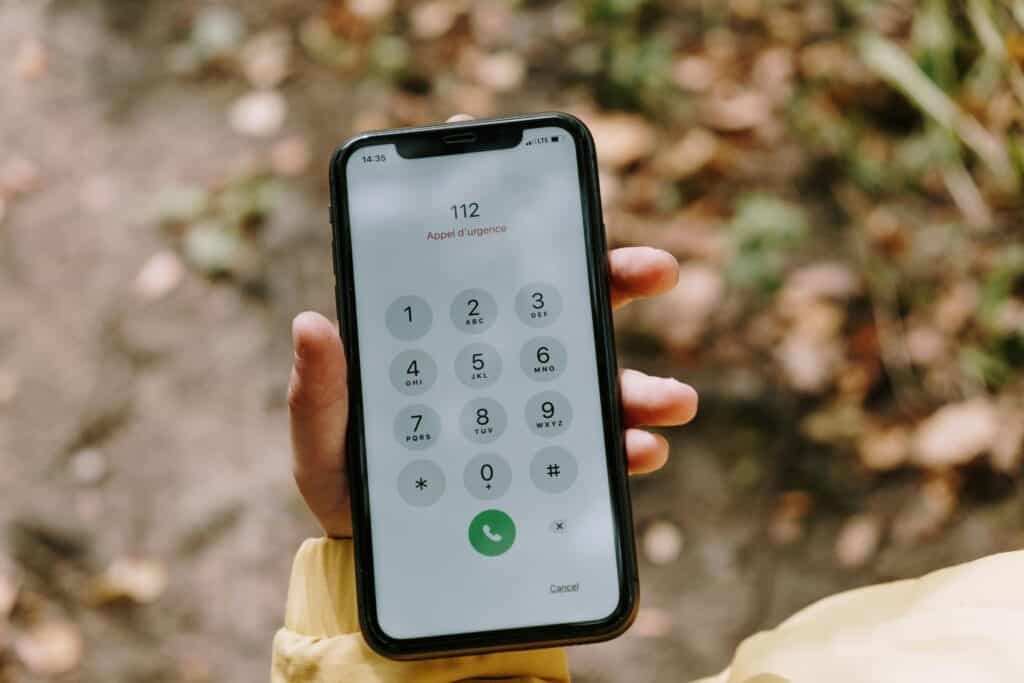
Under stress, even simple facts vanish, and crowds make communication messy, so knowing that 112 works across much of Europe and saving local ambulance and police numbers for the destination reduces hesitation and prevents a frantic search for digits when hands shake. In Crans-Montana, officials set up information points and hotlines, a reminder that communication systems are part of the response, not an afterthought. Keeping the lodging address, a map pin, and a short description of the venue in the phone’s notes gives dispatchers usable details, and it helps staff relay the right location even when reception is poor and the scene is loud.
The Ride Home Is A Safety Decision

Night transport in mountain resorts is not trivial, because roads glaze over, taxis run out, and crowds pour into narrow streets right when venues close, which is when small mistakes compound into sprains, separations, and confusion. After a crisis, traffic controls and road closures can reroute buses and block familiar shortcuts, so even a short walk can become risky when visibility drops and sidewalks turn to ice. Groups that lock in a pickup spot early, keep a backup option like a hotel shuttle, and avoid long walks in ski boots reduce exposure to avoidable trouble, and it keeps everyone together when the town’s rhythm turns unpredictable.
Rumors Spread Faster Than Verified Updates

After any public tragedy, the loudest story online is often the least reliable, and early coverage of Crans-Montana varied on the cause until investigators shared clearer findings, which is exactly where speculation thrives and fear spreads. Resort apps, local police statements, hotel briefings, and official advisories are slower but steadier, and they map what is actually open, closed, restricted, or being used for emergency access. Relying on verified channels leads to calmer decisions about movement and lodging changes, and it keeps crowds from wandering into active response zones while crews work and families wait for news.
Other Blog Posts You Might Enjoy
www.idyllicpursuit.com (Article Sourced Website)
#Lessons #Ski #Travelers #Learn #CransMontana #Bar #Explosion #Idyllic #Pursuit