
We may earn money or products from the companies mentioned in this post. This means if you click on the link and purchase the item, I will receive a small commission at no extra cost to you … you’re just helping re-supply our family’s travel fund.
New York City is often described as endlessly familiar, yet even lifelong residents continue to uncover places that feel quietly untouched by mass tourism. Beyond the crowded observatories and landmark avenues exists a slower, more intimate city shaped by routines, shortcuts, and neighborhood memory. These hidden locations are not secret because they are inaccessible, but because they reward curiosity rather than checklists. From overlooked rooftop sanctuaries to historic corners masked by modern streets, each spot reveals a different layer of urban life. The following ten places are favored by locals for their atmosphere, history, and calm. Every location includes practical details and numerical context to help you understand why these spaces remain quietly treasured rather than loudly promoted.
1. The Elevated Acre : Financial District
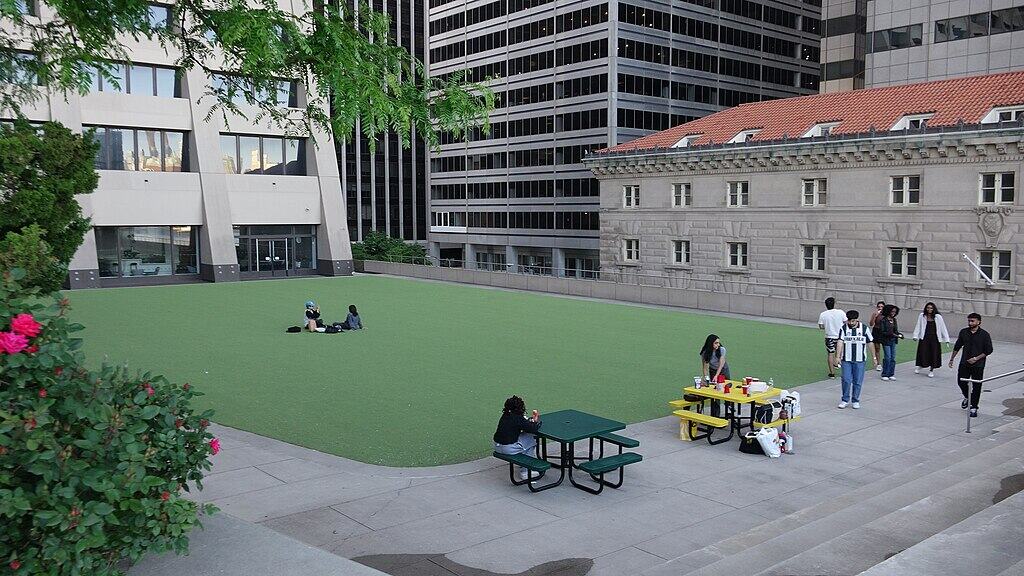
Hidden above street level near Water Street, the Elevated Acre is a privately owned public space covering roughly 1 acre, completed in 2005. Accessed by a discreet escalator or stairway, it sits nearly 30 feet above ground, instantly muting city noise. Locals working nearby use it as a lunch refuge, especially between 12:00 and 2:00 p.m. when offices empty out. The park features manicured lawns, shaded seating, and unobstructed East River views stretching over the Brooklyn waterfront. Despite being steps from Wall Street, daily foot traffic averages under 1,000 visitors, far less than nearby plazas. Its design intentionally hides it from street sightlines, preserving its low-profile charm.
2. Green-Wood Cemetery : Brooklyn
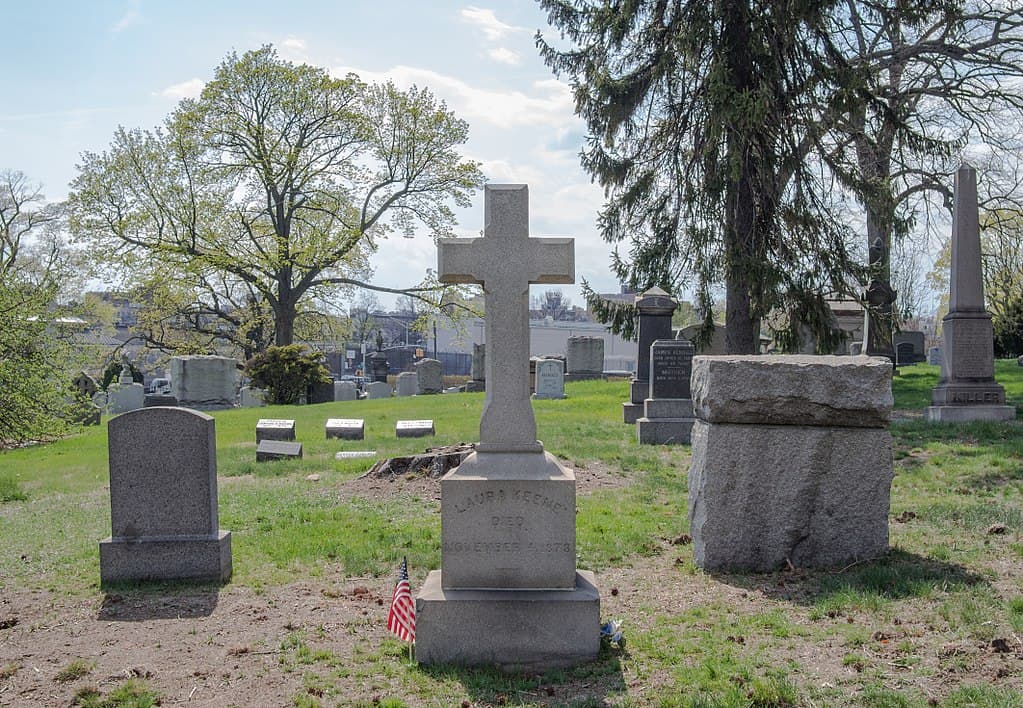
Spanning 478 acres, Green-Wood Cemetery feels more like a pastoral park than a burial ground. Established in 1838, it contains over 600,000 interments and sits on one of Brooklyn’s highest natural elevations, rising nearly 200 feet above sea level. Locals frequent it for long walks, birdwatching, and seasonal events rather than mourning. The cemetery’s internal road network extends over 10 miles, offering skyline views that rival paid observation decks. Annual visitation hovers around 300,000 people, modest for a site of its size. Its quiet reputation persists because it sits outside major tourist corridors, making it feel contemplative rather than performative.
3. City Hall Station (Abandoned Subway Stop)
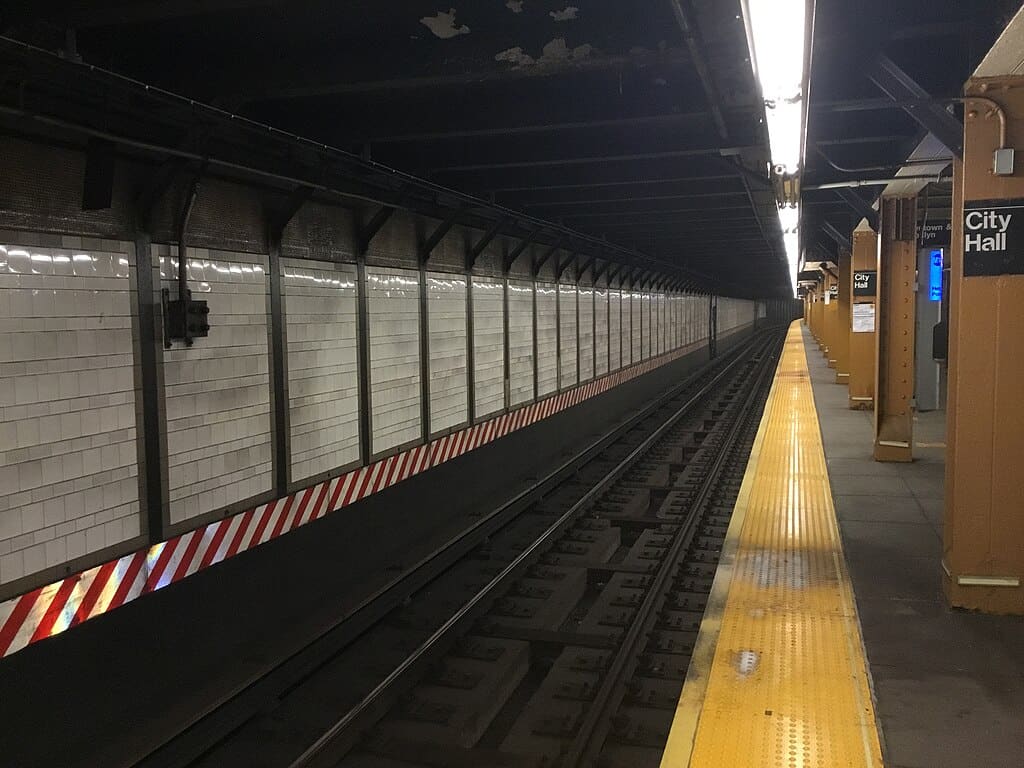
Opened in 1904 and closed in 1945, City Hall Station remains one of New York’s most beautiful transit relics. Featuring Guastavino tile arches, skylights, and brass chandeliers, it was abandoned due to platform length limitations. While officially inaccessible, riders on the downtown 6 train can glimpse it during the turnaround loop, which takes approximately 2 minutes. The station lies nearly 40 feet underground and remains structurally intact. Fewer than 5 percent of subway riders are aware of its existence. Its elegance contrasts sharply with modern stations, offering a fleeting glimpse into the city’s early optimism and architectural ambition.
4. The Earth Room : SoHo
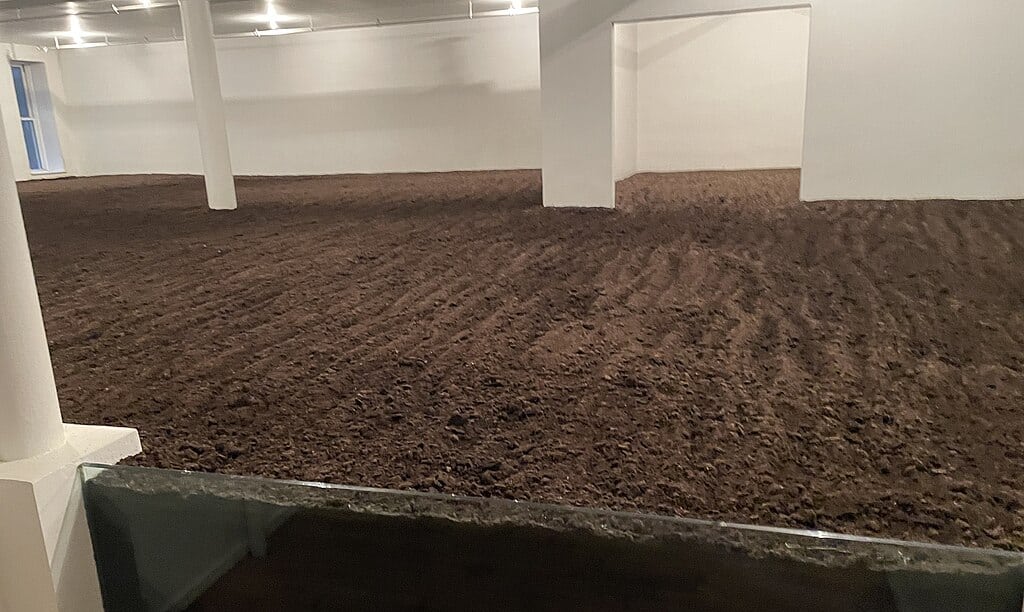
Located on the second floor of a SoHo building, the Earth Room is an art installation occupying about 3,600 square feet and containing approximately 280,000 pounds of soil. Created in 1977, it has remained unchanged for nearly five decades. The room is silent, climate-controlled, and free to visit, open most days between 12:00 and 6:00 p.m. Locals often stumble upon it accidentally, drawn by curiosity rather than signage. Visitor numbers rarely exceed 100 per day. The contrast between raw earth and surrounding luxury real estate makes the experience unexpectedly grounding, offering mental stillness few city spaces provide.
5. The Met Rooftop Garden : Quiet Hours
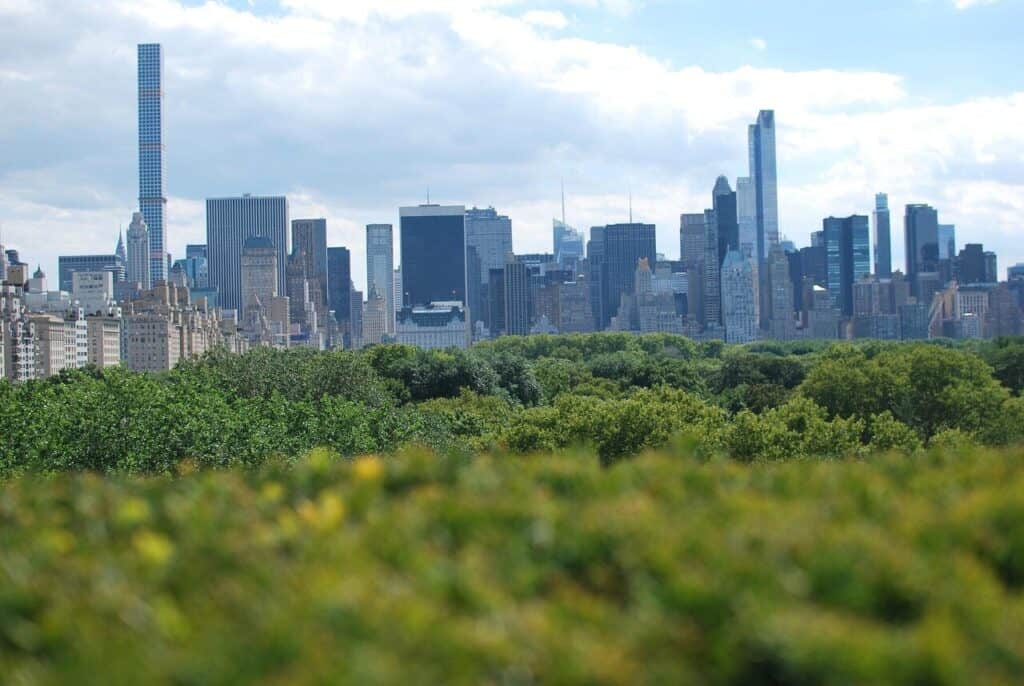
While the Metropolitan Museum attracts over 5 million visitors annually, its rooftop garden remains surprisingly calm during weekday mornings and evenings. Open seasonally, the space sits nearly 150 feet above Fifth Avenue and offers panoramic Central Park and skyline views. Locals time visits before 11:00 a.m. or after 4:00 p.m. to avoid crowds. Each year features a new large-scale installation, often weighing several tons. Seating is limited, encouraging short, reflective stays rather than lingering crowds. Despite its prestige, less than 20 percent of museum visitors reach the roof, keeping it a semi-hidden urban retreat.
6. Pomander Walk : Upper West Side
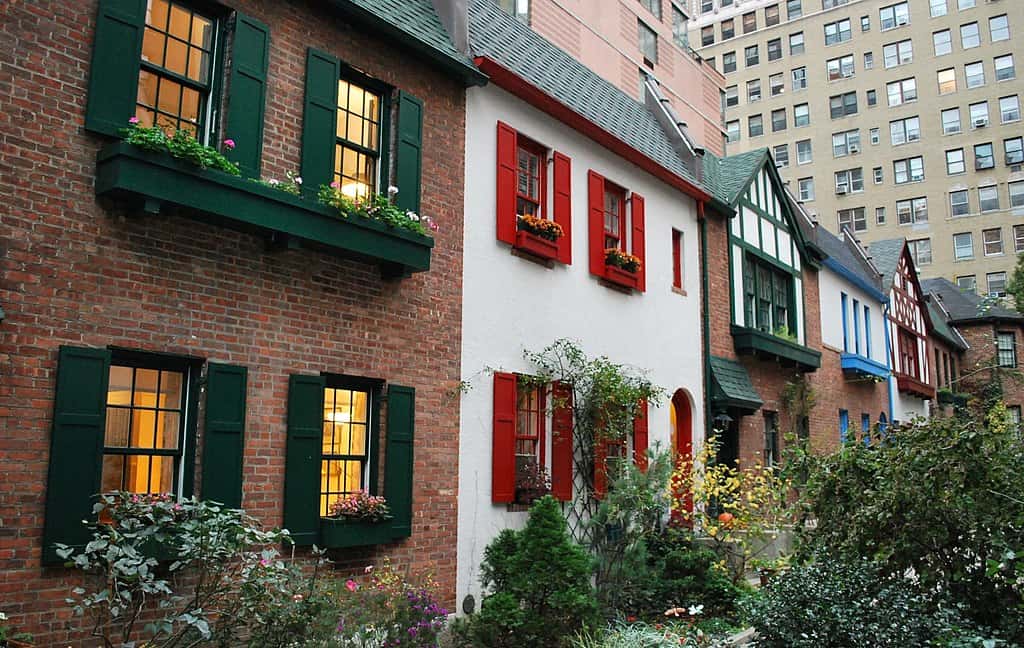
Pomander Walk is a private, half-block-long pedestrian street built in 1921, consisting of 27 Tudor-style residences. Hidden behind an iron gate just steps from Broadway, it feels frozen in time. The street spans roughly 200 feet, yet remains one of Manhattan’s most photographed unknown locations. Residents still live here, maintaining strict privacy, which limits foot traffic to respectful passersby. Many locals discover it only after years in the neighborhood. Its survival through zoning threats in the 1980s cemented its reputation as a preserved anomaly within a constantly changing cityscape.
7. New York Marble Cemetery : East Village
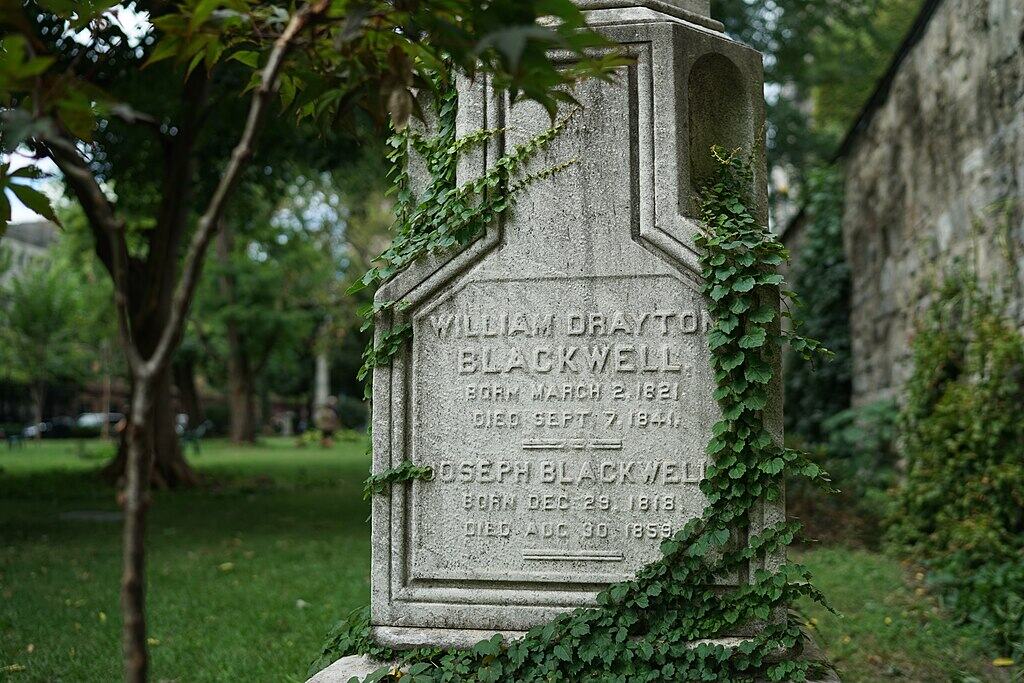
Founded in 1831, the New York Marble Cemetery is Manhattan’s second-oldest non-denominational burial ground. Measuring just under half an acre, it contains around 156 underground vaults hidden behind plain brick walls. Unlike typical cemeteries, it opens only a few weekends each year, drawing fewer than 2,000 annual visitors. Locals cherish its rare access days for the quiet contrast it offers to surrounding nightlife. Trees, grass, and simple markers dominate the space, creating a sense of suspended time. Its invisibility from the street keeps it off most tourist routes.
8. Fort Totten Park : Queens
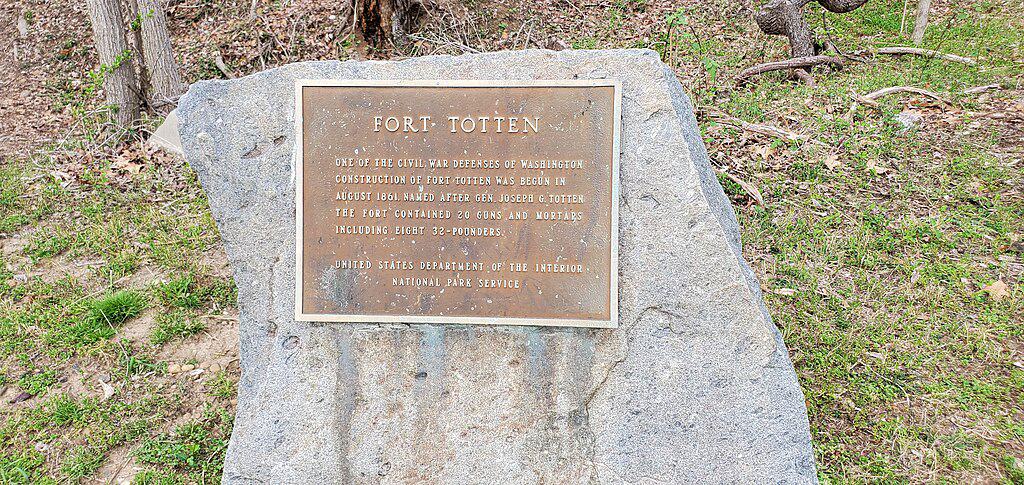
Located at the northern tip of Queens, Fort Totten Park covers approximately 60 acres of waterfront land overlooking the Long Island Sound. Once a Civil War–era military installation, it closed as an active base in 1995. Today, locals visit for jogging, picnics, and unobstructed water views. The park receives fewer than 500,000 visitors annually, far less than major city parks. Historic brick buildings and open fields create a spacious feel rarely found in New York. Its distance from subway lines contributes to its low profile and peaceful atmosphere.
9. Little Red Lighthouse : Washington Heights
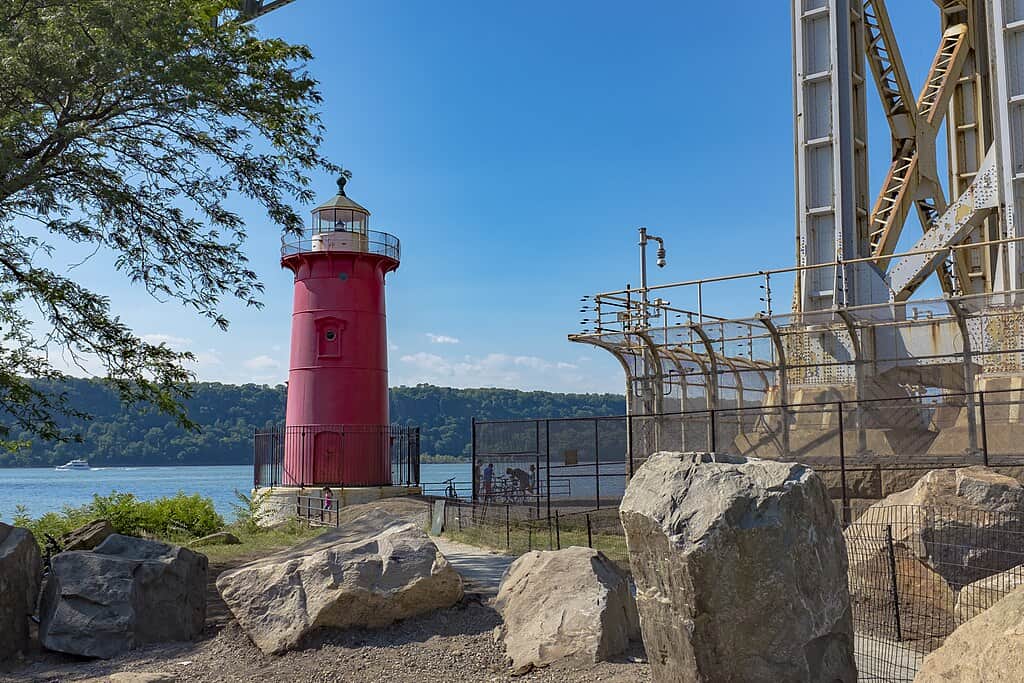
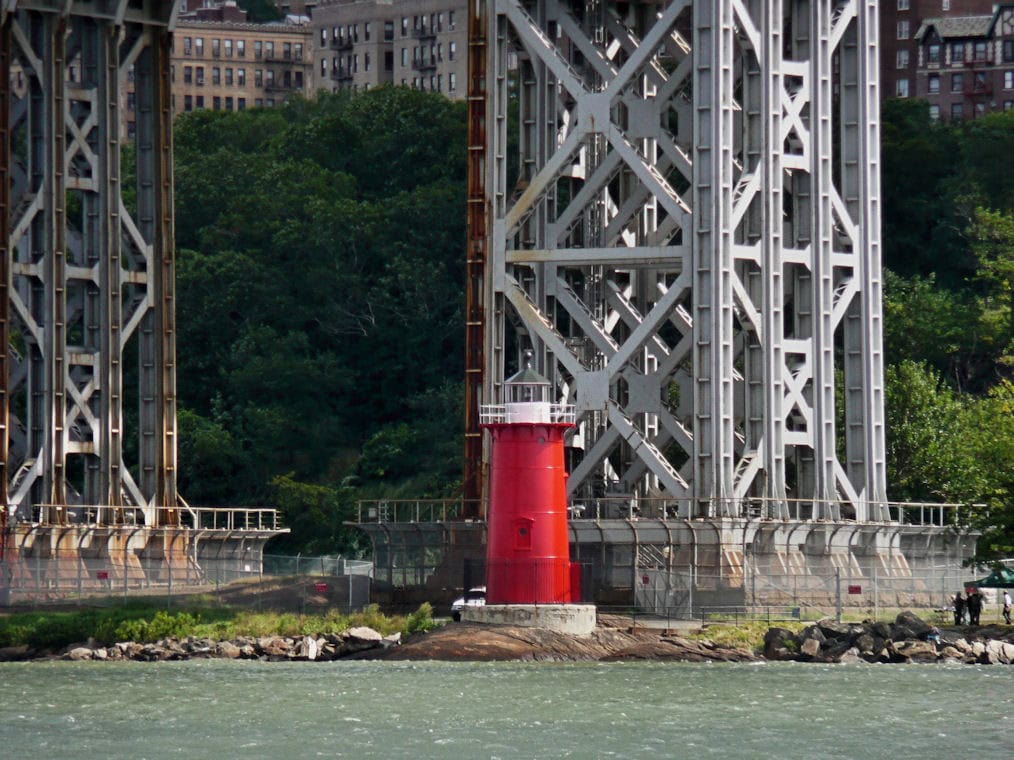
Standing only 40 feet tall, the Little Red Lighthouse sits beneath the George Washington Bridge, dwarfed by its steel towers. Built in 1921, it once guided Hudson River traffic before becoming obsolete in 1948. Locals frequent the surrounding park for river walks rather than the structure itself. Annual visitation remains modest, estimated under 100,000 people. The lighthouse’s bright red color contrasts sharply with the gray bridge above, creating a quietly iconic scene. Its location, hidden by infrastructure, keeps it overlooked by most city visitors.
10. Staple Street Skybridge : Tribeca
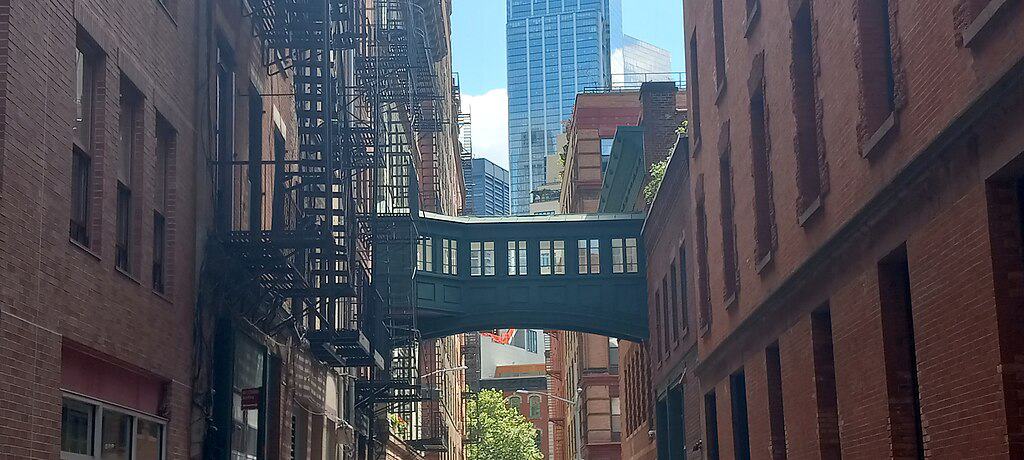
The Staple Street Skybridge connects two historic buildings about 30 feet above a narrow cobblestone street in Tribeca. Constructed in 1907, it originally allowed hospital staff to move patients between buildings without street exposure. The bridge spans roughly 40 feet and remains privately owned. Locals pass by knowing to glance up, while most visitors walk underneath unaware. The surrounding block sees light pedestrian traffic compared to nearby neighborhoods. Its cinematic appearance has made it quietly famous without ever becoming crowded, preserving its understated allure.
Other Blog Posts You Might Enjoy
www.idyllicpursuit.com (Article Sourced Website)
#Hidden #Spots #York #City #Locals #Idyllic #Pursuit