
We may earn money or products from the companies mentioned in this post. This means if you click on the link and purchase the item, I will receive a small commission at no extra cost to you … you’re just helping re-supply our family’s travel fund.

A $5 day is not a flex. It is an ultra-tight baseline that only works when housing is already prearranged, food stays local, and transportation is constrained. In a handful of countries, market meals, public transit, and small daily needs can still add up to astonishingly little in smaller cities, especially when days stay uncomplicated and close to routine. But the number disintegrates when visas, medicine, clean water, reliable shelter, or one long transfer enters the picture. These places show how low daily basics can run, not what a steady life truly costs. It is a snapshot, not a guarantee.
India
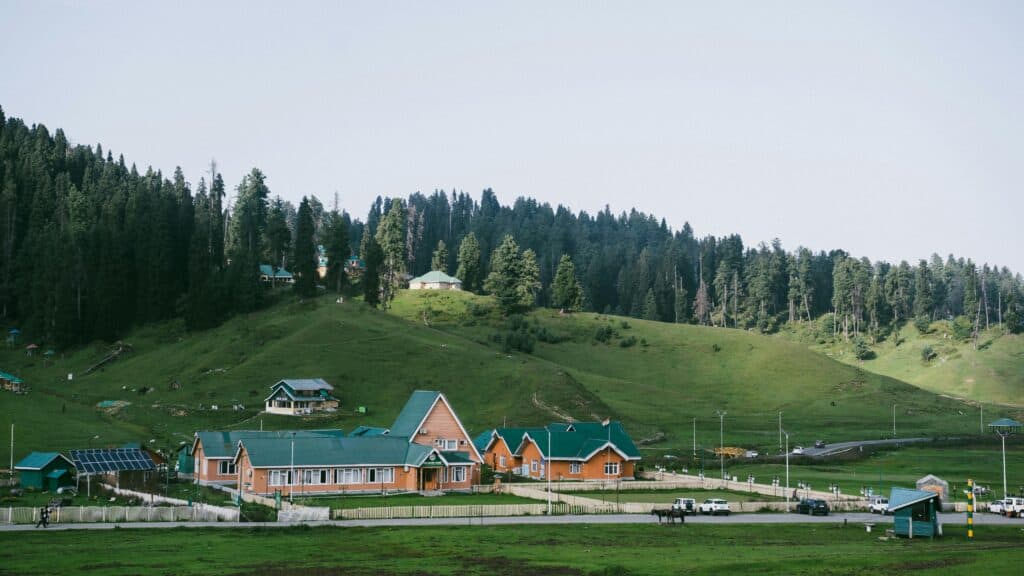
India can make a $5 essentials day feel plausible when routines stay local: a thali lunch, chai, fruit, and short rides on buses or shared autos. Outside major tourist pockets, everyday pricing favors workers, so snacks, laundry, a basic SIM top-up, and small errands can fit under the line when meals come from canteens and markets, not glossy cafés. The ceiling breaks quickly when comfort enters, because private rooms, air-conditioned rides, entry tickets, bottled water, and any medical need can turn a single afternoon into a much bigger spend, fast. That is why the $5 claim only works as a bare-bones snapshot, not a lifestyle.
Pakistan
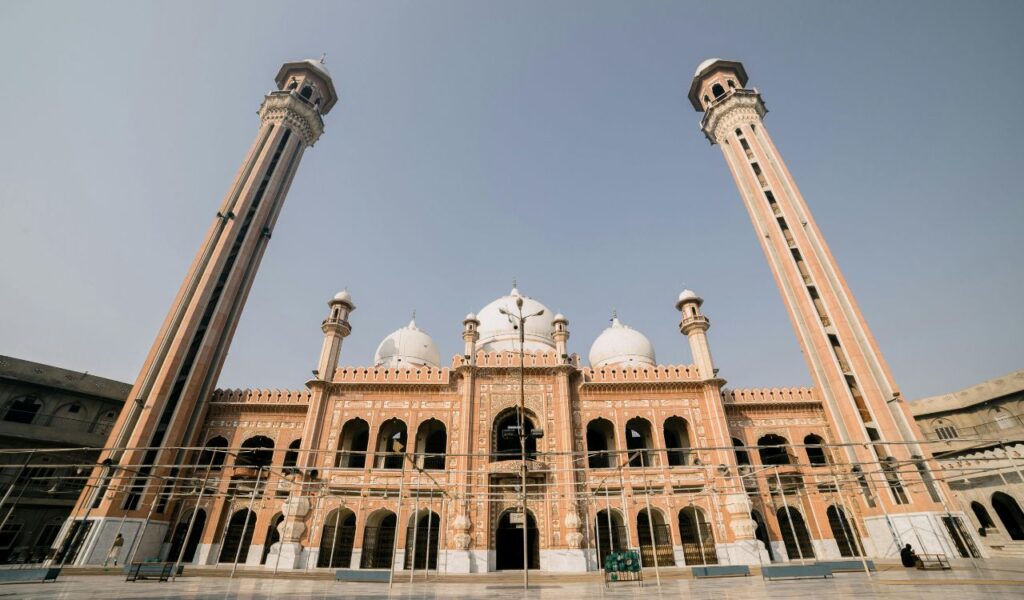
Pakistan can be inexpensive day to day in smaller cities, where simple meals, naan, tea, and market fruit cost little and short rides stay cheap. A $5 essentials day works best when spending follows local routines and the day avoids long tourist transfers, because taxis and resort pricing rise quickly in major hubs. Logistics often matter more than food costs, since permits, reliable data, and a trusted driver in certain regions can become the real budget line. When conditions change, the price of safety and predictability tends to be what breaks the $5 target. That tradeoff is worth naming upfront.
Nepal
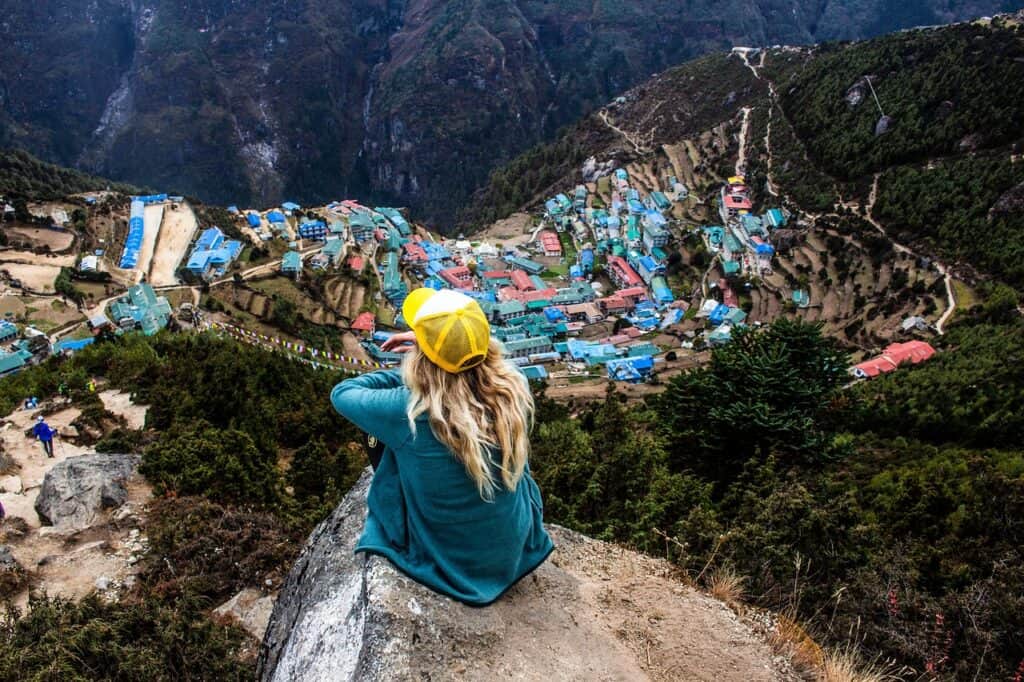
Nepal can keep daily basics low away from trekking hubs, where dal bhat, tea, and seasonal fruit are priced for residents. In smaller towns, local buses, shared jeeps, and simple guesthouse meals can make a $5 essentials day look possible when spending stays close to home and entertainment is the street life and mountain air. The math changes the moment trekking permits, guides, gear, bottled water, or altitude-related health needs enter the plan, and weather delays can force extra nights. Even a warm room, a hot shower, or a private ride can erase the bargain in hours. The low baseline is real, but stability costs more.
Bangladesh
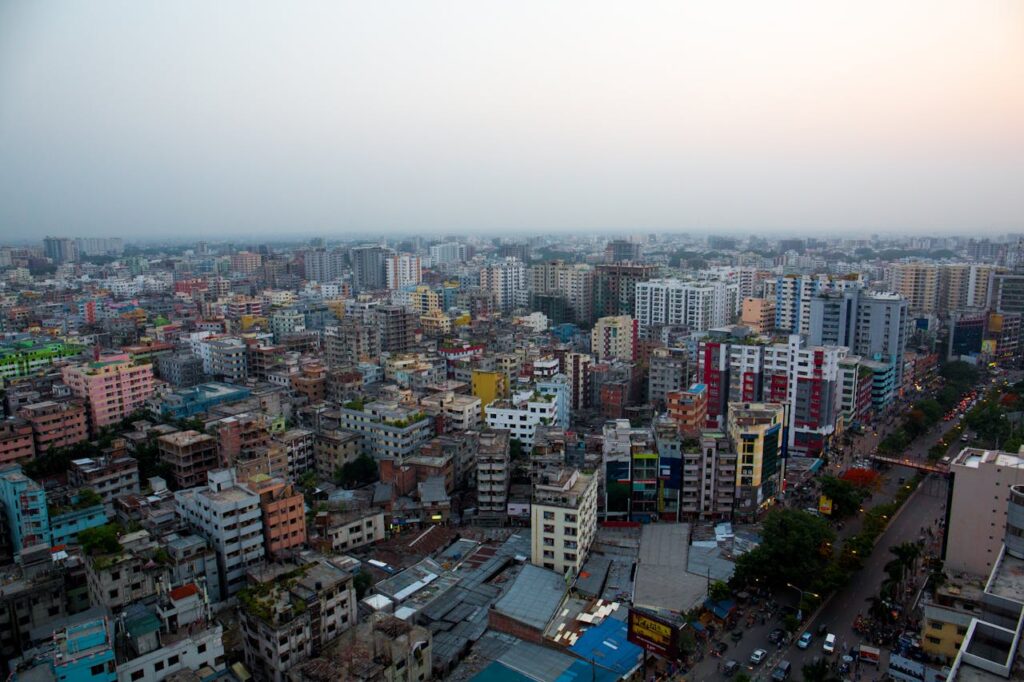
Bangladesh can keep daily necessities cheap in many cities, where rice plates, lentils, vegetables, and tea are built for tight household budgets. A $5 essentials day is most realistic when meals come from small canteens and markets and the day avoids long moves across Dhaka traffic or intercity routes. Heat, rain, and infrastructure gaps often push spending toward bottled water, safer lodging, and flexible transport, and those comfort choices quickly break the $5 ceiling. The lesson is less about thrift and more about planning for the moments when conditions shift. A single stormy commute can cost more than lunch all day.
Egypt
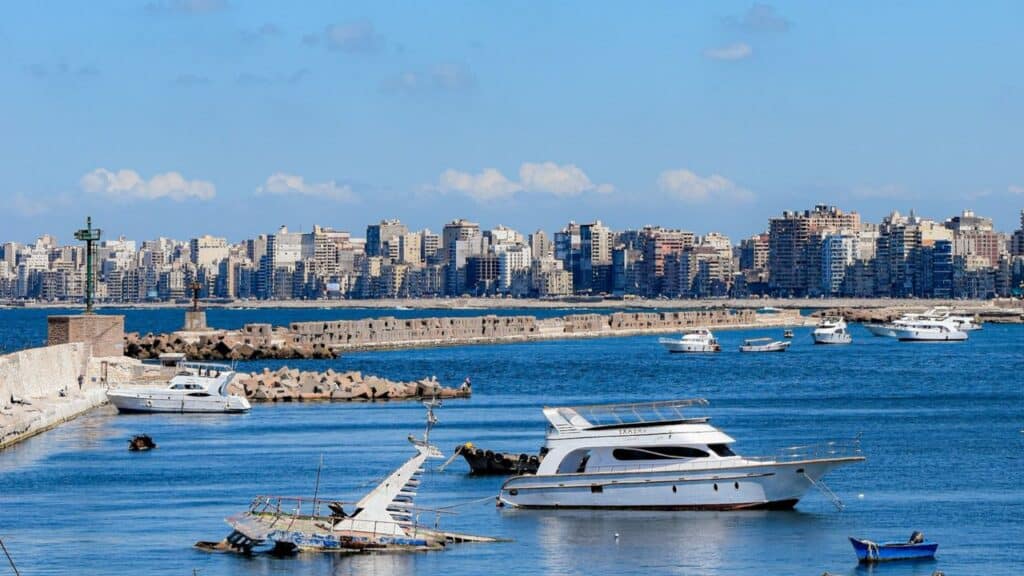
Egypt can make a $5 essentials day look possible when meals come from koshary shops, bakeries, and neighborhood grills and transport stays on the metro and microbuses. Outside the most tourist-focused streets, groceries, tea, snacks, and small errands are priced for locals, not short-term visitors. The budget breaks when comfort and logistics enter: long transfers, guided sites, tips, constant bottled water in the heat, and midrange lodging can cost more than the daily target on their own. Cheap food helps, but stability requires breathing room. A single museum day can double spending. Even careful planners feel that shift.
Vietnam
Vietnam’s daily basics can feel remarkably inexpensive in smaller cities, where noodle bowls, rice plates, and iced coffee are priced for locals. When transport stays on local buses, shared vans, or a bicycle, a $5 essentials day can happen through markets, street kitchens, and short distances. Costs climb in beach towns and major hubs, where tours, cocktails, and Western-style cafés reset the baseline. Air conditioning, private rooms, and ride-hailing can also overtake food costs, so the cheapest days tend to be the quiet ones with simple plans and early nights. That is where the country feels most affordable.
Indonesia
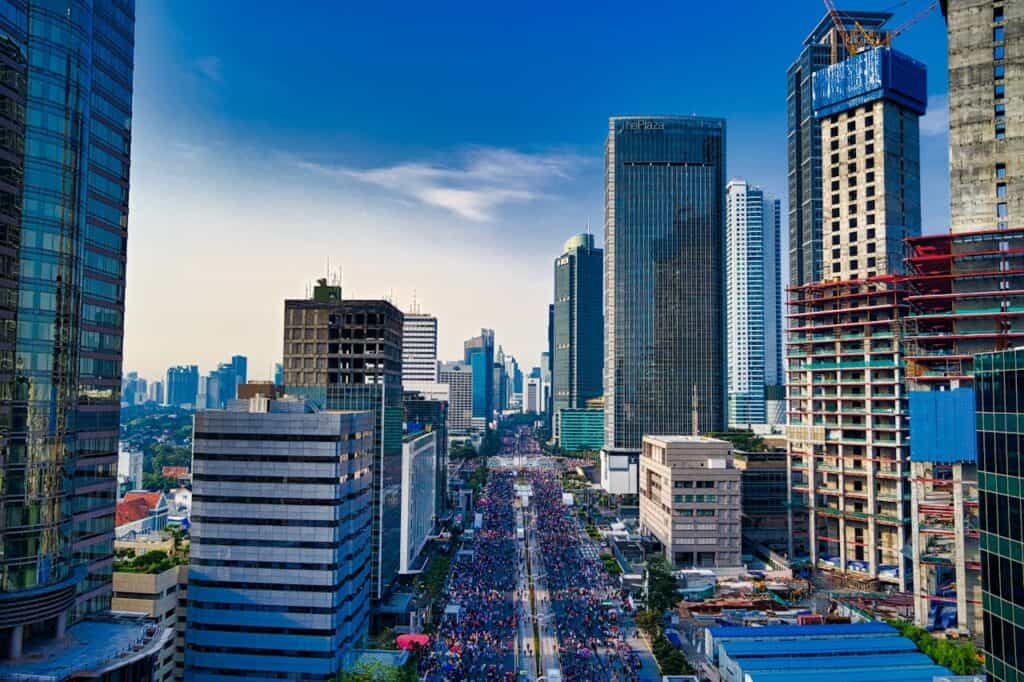
Indonesia can keep daily spending low in many regions when meals come from warungs, transport stays local, and plans avoid nightlife built for visitors. In parts of Java and smaller cities, a $5 essentials day can cover basic food, water, and short trips, with markets setting the pace and prices. Hotspot islands shift the math, especially in Bali, where entrance fees, ride-hailing, and tourist menus eat the budget quickly. For longer stays, ferries, ATMs, visa runs, and reliable lodging become the real costs, and those do not fit neatly into a daily micro-number. The bargain exists, but it is location-specific.
Cambodia

Cambodia can feel extremely affordable on ordinary days, when meals come from markets and small comedores and transport stays simple. In provincial towns, a $5 essentials day can cover street food, fruit, water, and short tuk-tuk rides negotiated at local rates, with little else required. Tourist centers change the math quickly, because Angkor passes, guided trips, and air-conditioned rooms add fixed costs that do not shrink. For longer stays, visas, stable housing, and health care become the real budget drivers, and those rarely fit under a daily micro-target. The low price is real, but it belongs to the simplest days.
Bolivia
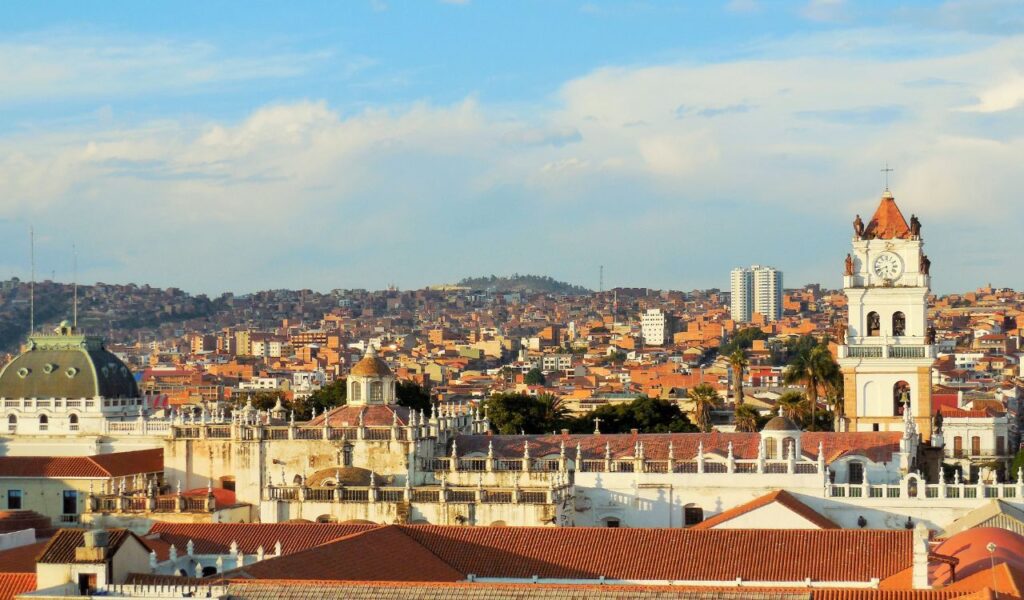
Bolivia’s highland cities can keep basics inexpensive, with markets setting prices for soups, set-menu lunches, and everyday groceries. A $5 essentials day is most plausible when transport stays on minibuses and shared vans and time is spent in plazas, parks, and viewpoints rather than paid excursions. Altitude and distance complicate the bargain, because long bus rides, flights, and guided salt-flat tours carry fixed costs. Cold nights also push spending toward warmer rooms and hot meals, and a single health issue can erase several cheap days at once. The headline number works best as a snapshot, not a plan.
Guatemala
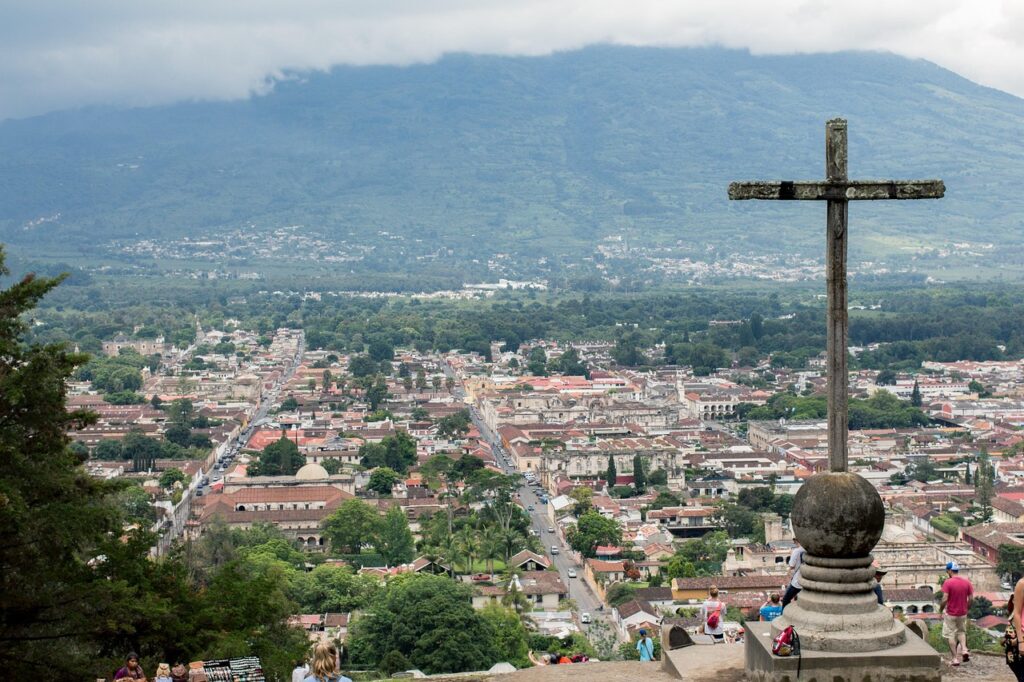
Guatemala can keep daily basics low when meals come from mercados and small comedores and transport stays on chicken buses or shared shuttles. In quieter towns, tortillas, beans, eggs, and fruit are everyday food, and a slow afternoon can cost almost nothing beyond a drink and a short ride. Costs rise in tourist magnets like Antigua and Lake Atitlán, where visitor pricing is normal and private drivers add up fast. Safety choices, guided hikes, and dependable lodging often become the true budget line, even when food remains inexpensive. The cheapest days are usually the ones spent close to routine, not packed with tours.
Other Blog Posts You Might Enjoy
www.idyllicpursuit.com (Article Sourced Website)
#Countries #Live #Day #Idyllic #Pursuit