
We may earn money or products from the companies mentioned in this post. This means if you click on the link and purchase the item, I will receive a small commission at no extra cost to you … you’re just helping re-supply our family’s travel fund.
Short-term rentals used to be the easiest answer for central stays in big cities. By 2025, a mix of housing crises, fed-up neighbors, and aggressive regulation has changed that map. In some places, rules did not ban Airbnb by name but made legal listings so rare that casual visitors have almost no options. What looks like a crackdown on one platform is really a deeper fight over who cities are for: residents, investors, or travelers just passing through.
New York City, Local Law 18’s Airbnb Wipeout
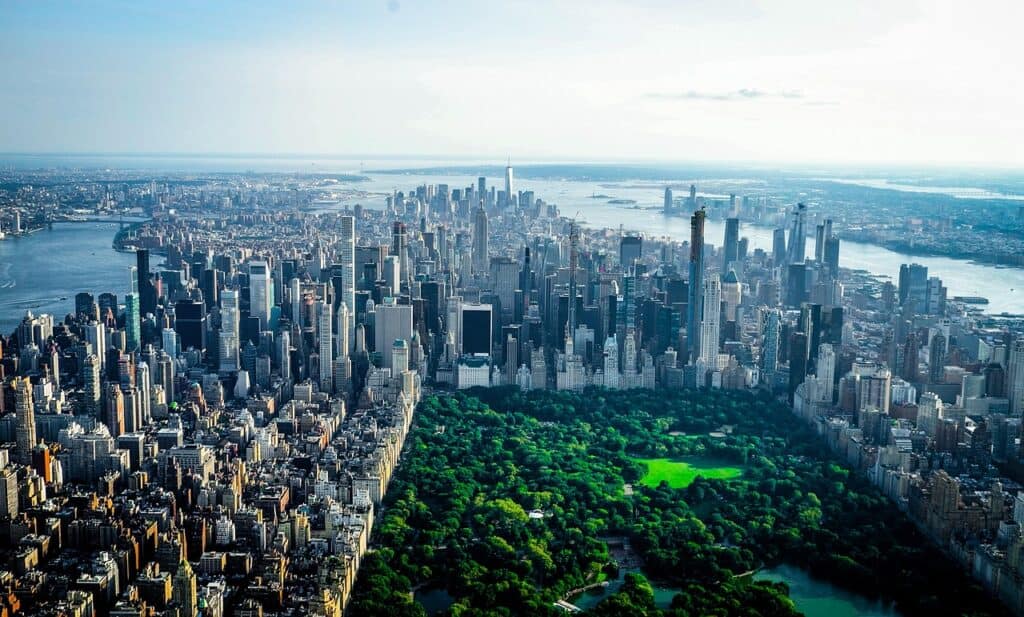
New York’s Local Law 18 requires hosts to register, live on-site, and limit short stays to two guests at a time. Whole-apartment rentals under 30 days are basically gone, and thousands of listings vanished when enforcement kicked in. Visitors now lean on smaller licensed hotels in neighborhoods like Long Island City, Downtown Brooklyn, and Harlem, plus officially registered aparthotels that offer kitchenettes without the risk of a last-minute cancellation from an unapproved host.
Barcelona, Spain, Tourist Flats Forced Off The Map

Barcelona has battled tourist apartments for years, and enforcement has only sharpened. New licenses are essentially frozen, inspectors hunt illegal listings, and long-term locals push hard for housing over holiday rentals. Many former Airbnb blocks in El Born and the Gothic Quarter have already shifted back toward residential use. Travelers increasingly book family-run pensiones, licensed boutique hotels in Eixample, or regulated serviced apartments that meet strict city rules while still feeling more personal than big chains.
Florence, Italy, Historic Center, Modern Crackdown
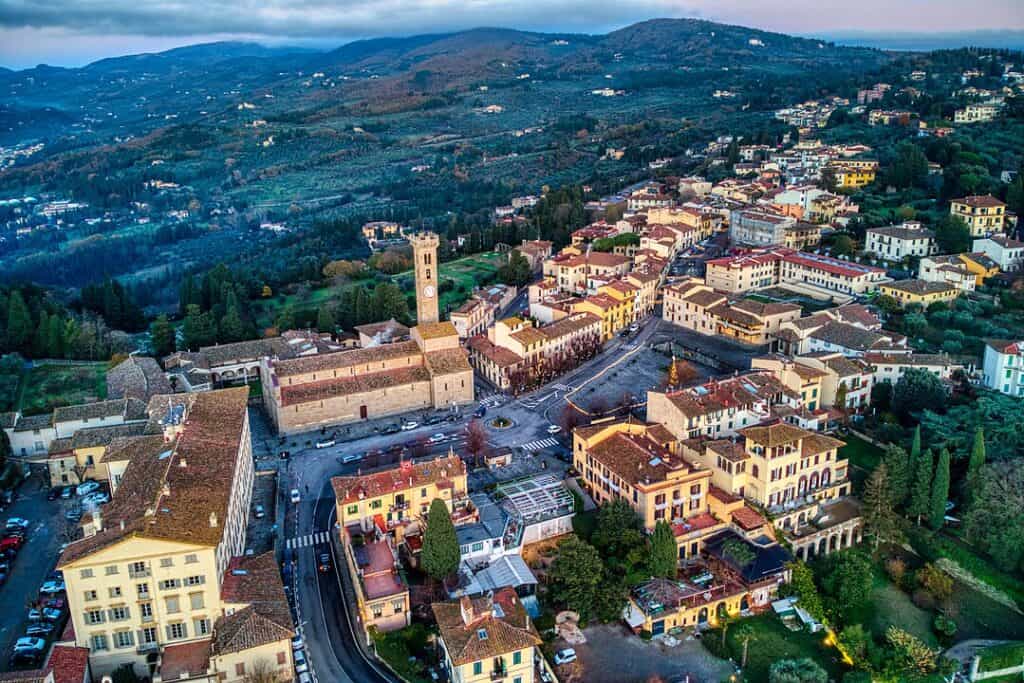
Florence’s historic center reached a tipping point as homes turned into short-term rentals and locals moved out. City leaders responded by banning new tourist apartments in the UNESCO core and tightening registration on existing ones, effectively freezing most fresh Airbnb supply. Hotels and officially licensed guesthouses around Santa Maria Novella and Oltrarno are stepping back into the spotlight. Many of them still occupy old palazzi, so travelers gain atmosphere and a front desk instead of a key safe on a side street.
Berlin, Germany, Zweckentfremdung Rules Bite Back
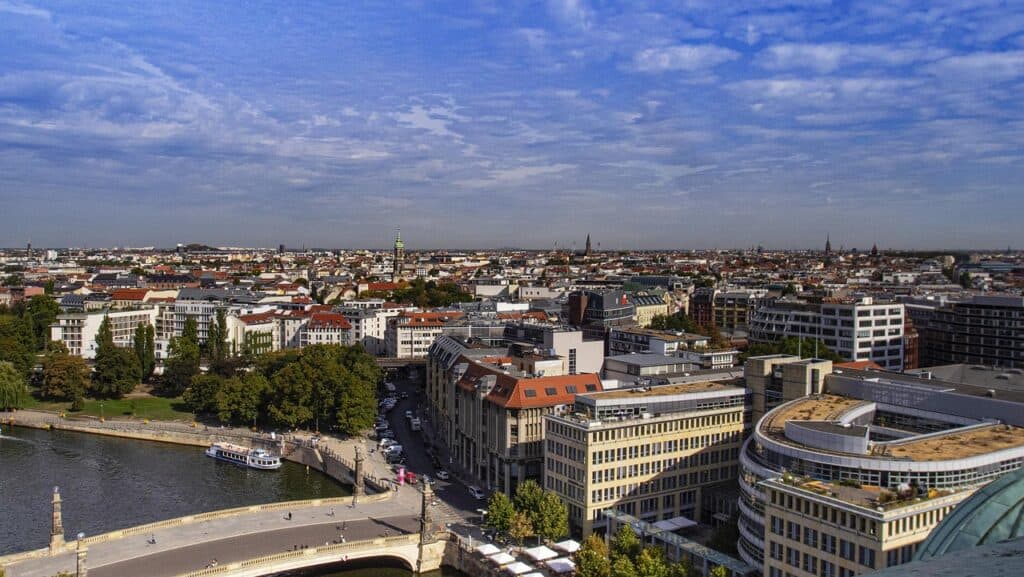
Berlin’s rules against turning homes into vacation rentals have been around for years, but ongoing enforcement means casual entire-flat Airbnbs remain rare. Owners need permits and registration numbers, and penalties for illegal listings can be steep. The result is a market where most legal stays are licensed hotels, hostels, and serviced apartments. Neighborhoods like Prenzlauer Berg and Neukölln now lean more on design hotels and aparthotels, offering kitchen corners and laundry while still complying with the city’s housing-protection framework.
Amsterdam, Netherlands, Caps, Bans, And Tight Controls
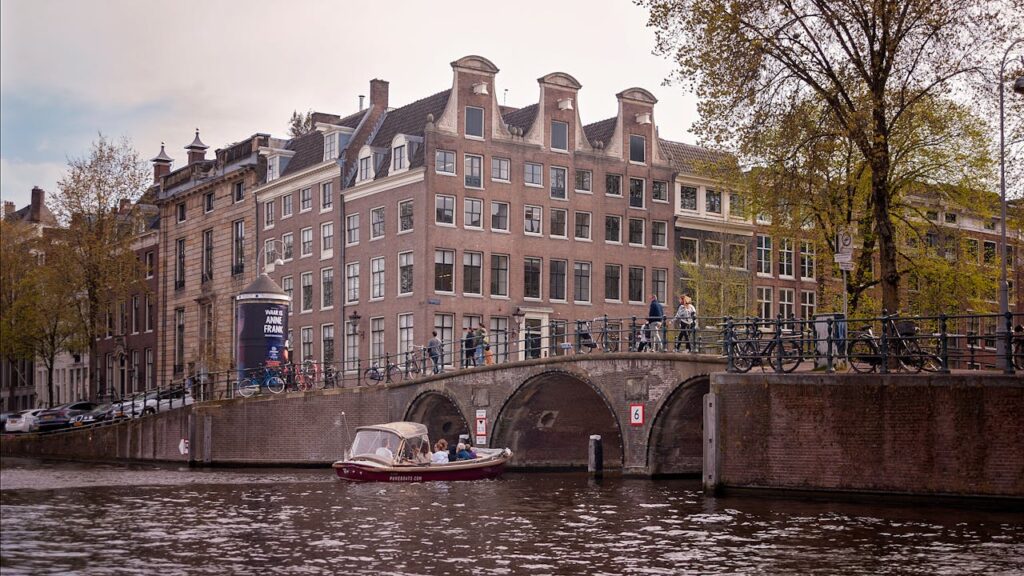
Amsterdam caps home-sharing to limited nights per year, requires registration, and fully bans vacation rentals on some busy old-town streets. For many ordinary hosts, the rules make serious Airbnb income unrealistic, so listings have thinned out, especially in the canal belt. Travelers pivot toward canal-house boutique hotels, licensed B&Bs outside the most saturated zones, and apartment-style properties in neighborhoods like De Pijp and Oost, where buildings have been purpose-designed as legal short-stay accommodation from the start.
Paris, France, Registration Numbers Or Nothing

Paris tolerates home-sharing on paper but regulates it hard in practice. Primary homes are capped on short-term rentals per year, second homes face stiff conversion rules, and every legal listing needs a registration number that can be checked online. Aggressive enforcement and high fines have pushed many unregistered Airbnbs offline. Visitors now rely more on small independent hotels, officially registered chambres d’hôtes, and a growing crop of serviced-apartment brands clustered around the Grands Boulevards and Canal Saint-Martin.
Montreal, Canada, Safety And Tax Rules Shrink Supply
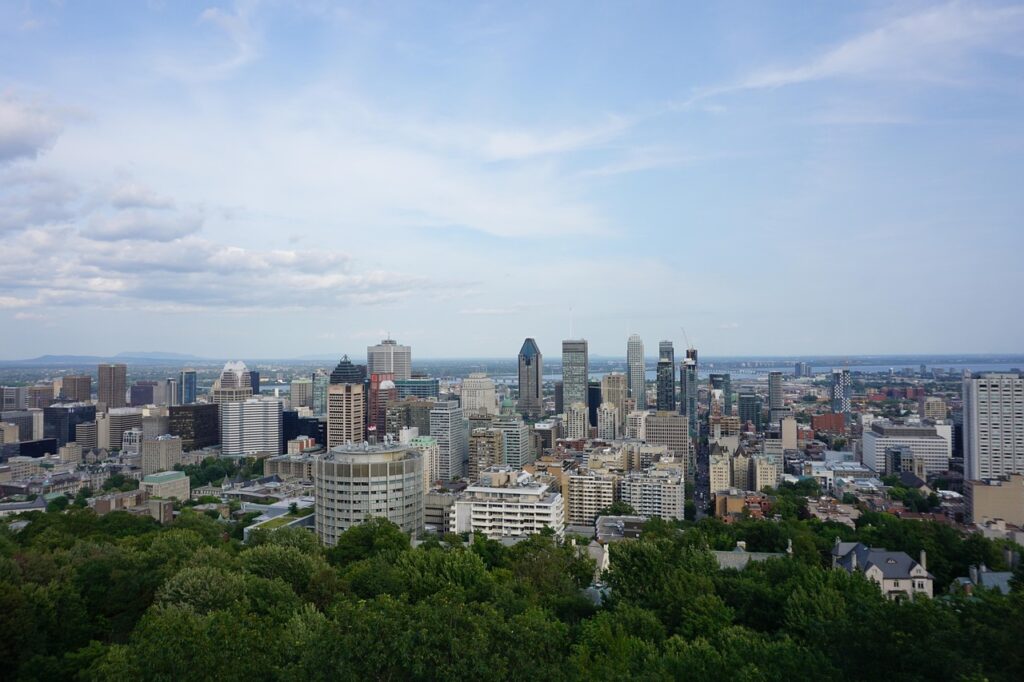
After high-profile safety concerns and province-level changes, Quebec tightened rules so hard that many casual short-term rentals in central Montreal disappeared. Hosts must secure permits, comply with building and fire codes, and collect tourism taxes, which is too much overhead for many hobby operators. Legal stays increasingly concentrate in licensed hotels, hostels, and professionally run apartment-hotels in areas like the Quartier des Spectacles and Old Montreal, where front desks and visible permits reassure both guests and regulators.
Honolulu (Oahu), Hawaii, Resort Zones Only
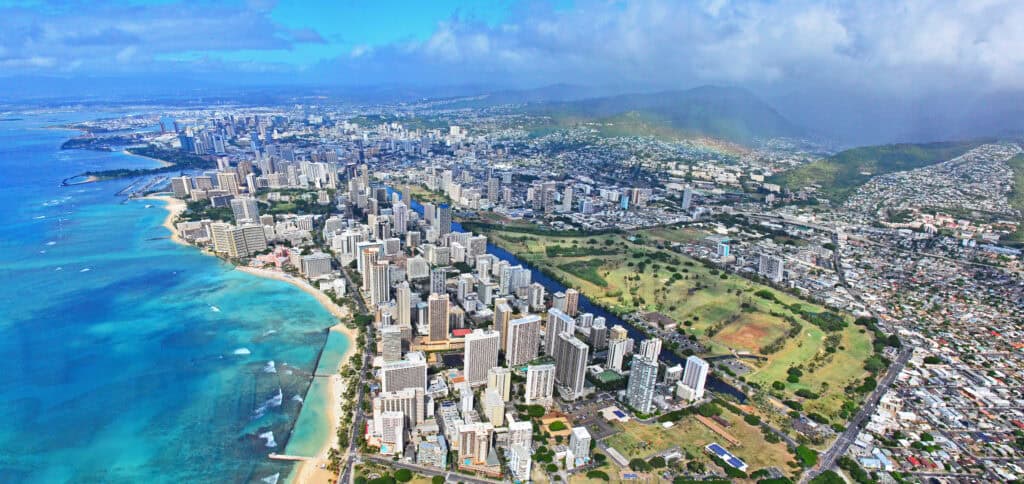
On Oahu, local authorities have drawn a sharp line between true resort zones and ordinary residential neighborhoods. Outside designated areas, short-term rentals face strict limits or outright bans, with enforcement campaigns targeting unpermitted Airbnbs. For most visitors, that means staying in classic hotels and condo resorts in Waikiki, Ko Olina, or Turtle Bay, where buildings were always intended for tourism. Smaller, legal vacation rentals still exist, but they tend to be licensed condos rather than single-family homes in quiet suburbs.
Santa Monica, California, Home-Sharing, Not Whole Homes
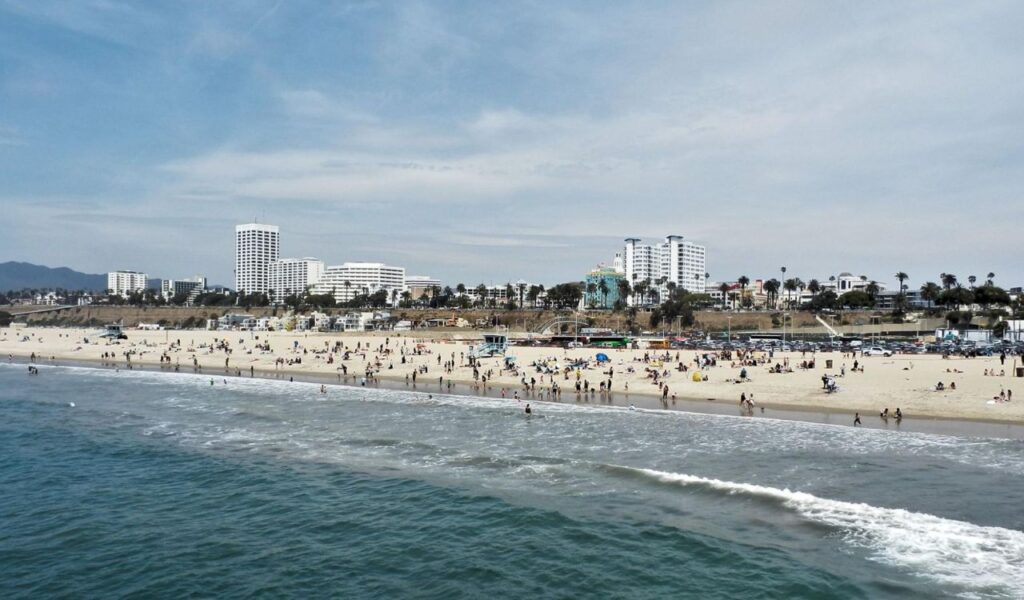
Santa Monica’s ordinance essentially killed the classic whole-home vacation rental model within city limits. Hosts must live on-site during guest stays, secure a business license, and collect taxes, which makes running a de facto hotel in an apartment building far more difficult. The practical outcome is a near-absence of legal entire-unit Airbnbs. Travelers shift to beachfront and downtown hotels, plus a handful of officially registered home-shares and boutique properties that blend residential charm with clear, transparent compliance.
Palma de Mallorca, Spain, No Tourist Flats In The City

Palma banned most tourist apartments in the city proper, worried about housing shortages and overtourism in historic streets. Entire-home short-term rentals inside many urban zones are no longer legal, pushing visitor stays toward hotels and agro-tourism properties. Travelers now base themselves in licensed city hotels, restored townhouses operating as small inns, or rural fincas across the island. That shift channels tourist money toward regulated accommodation while giving locals a better shot at finding long-term places to live.
Other Blog Posts You Might Enjoy
www.idyllicpursuit.com (Article Sourced Website)
#Cities #Effectively #Outlawed #Airbnb #Stay #Idyllic #Pursuit