
We may earn money or products from the companies mentioned in this post. This means if you click on the link and purchase the item, I will receive a small commission at no extra cost to you … you’re just helping re-supply our family’s travel fund.
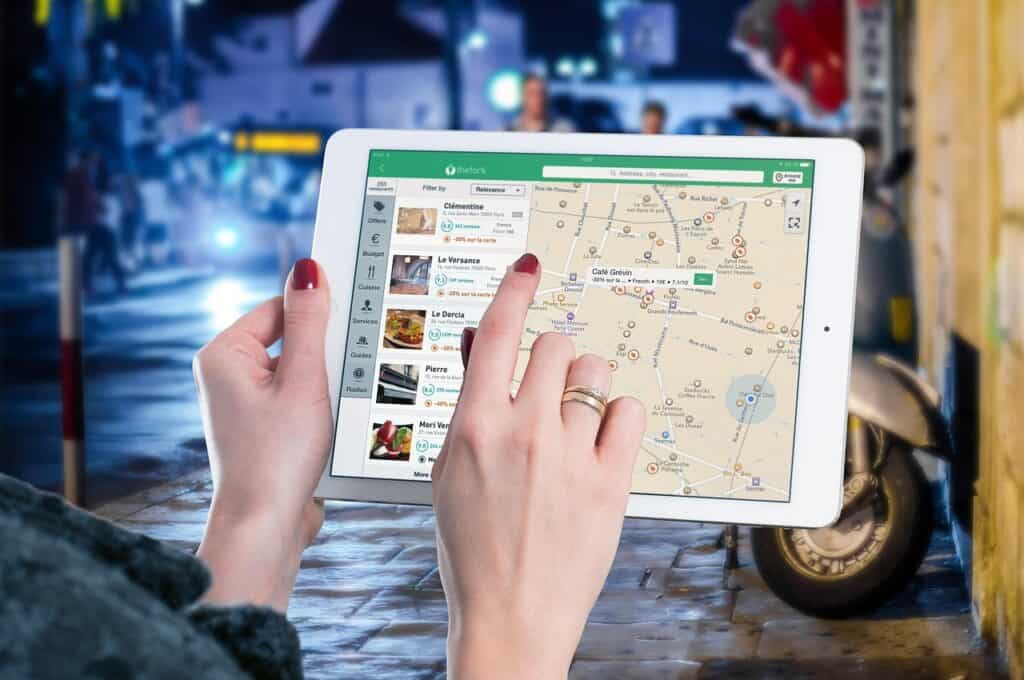
Historic districts sell a promise of atmosphere: stone lanes, balcony shadows, quiet courtyards, and stories told at walking speed. Tour guide apps can unintentionally break that spell by routing thousands of people to the same corners at the same time, often with loud explanations and stop-and-go clustering. A growing number of cities are responding by restricting organized guiding in their most sensitive blocks. The rules rarely mention apps by name, but they squeeze the app marketplace by limiting group size, banning loudspeakers, or closing certain lanes to tour traffic.
Amsterdam, Netherlands
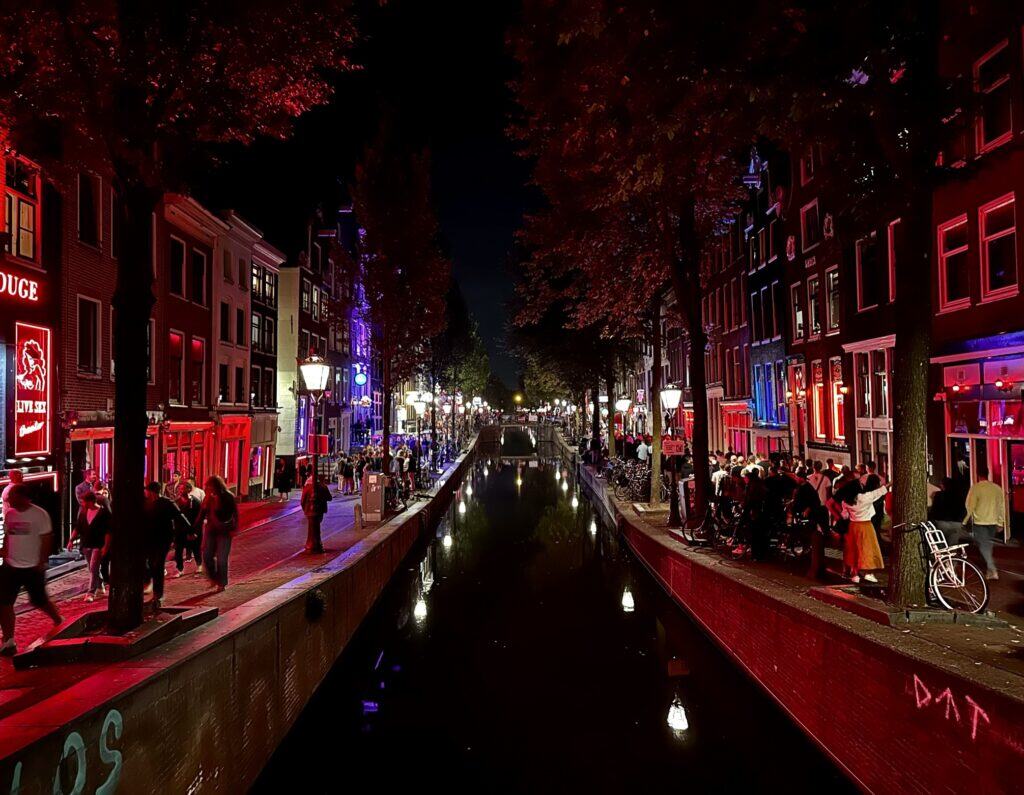
Amsterdam’s Red Light District has drawn a hard line around guided tourism, banning organized group tours to protect residents and workers from becoming a constant spectacle in their own streets. That single rule collides with the app economy, where a popular route can be promoted overnight, duplicated by dozens of guides, and repeated at the same doorways until the neighborhood feels scheduled. In this zone, the map still works for independent wandering, but the app-sold, follow-the-flag experience effectively gets shut out, even when it is framed as just information.
Venice, Italy

Venice keeps reminding the world that its historic center is a living place with tight passageways and fragile tolerance for crowds, so it has tightened rules for tour groups, including caps and limits on loudspeakers. Many app-sold walks depend on the opposite: big groups moving fast, a leader calling out facts, and amplified audio bouncing off stone walls to keep everyone together, block after block. By restricting the mechanics, Venice does not just quiet the streets; it makes the high-volume, app-friendly tour format harder to run, and pushes guiding back toward smaller, slower conversations.
Barcelona, Spain

Barcelona’s Ciutat Vella has treated guided walks as city management, extending limits on group size in hotspots, requiring audio systems instead of speakers, and pushing guides toward clearer routes and stricter conduct. For tours marketed through apps, that changes the promise from spontaneous discovery to controlled flow, because the same squares and lanes cannot host unlimited explanations at the same time, day after day. The district stays visitable, but the city is choosing the pace, the volume, and the footprint that digital guiding is allowed to leave behind, down to where groups can pause.
Florence, Italy

Florence’s historic core is famous for beauty and notorious for bottlenecks, so city measures have included banning loudspeakers for guides as part of wider efforts to reduce nuisance and crowding. App-driven tours often lean on portable speakers or phone audio to keep groups stitched together near packed landmarks, especially when street noise swallows a normal speaking voice and time slots are tight. Take amplification away and tours either shrink, reroute, or quiet down, which is how Florence protects the atmosphere without closing the center to curiosity.
Prague, Czech Republic

Prague’s old center has faced guided-tour pressure that looks less like heritage travel and more like nightlife packaging, so Prague 1 moved to ban organized pub crawls and similar bar-tour formats during late hours. Those routes are commonly assembled and sold through apps that thrive on frictionless booking, group momentum, and the idea that a neighborhood can absorb endless waves of theme-night behavior. The venues remain open, but the guided circuit is treated as a disturbance that the city can simply switch off, especially in streets where residents still need to sleep.
Bruges, Belgium
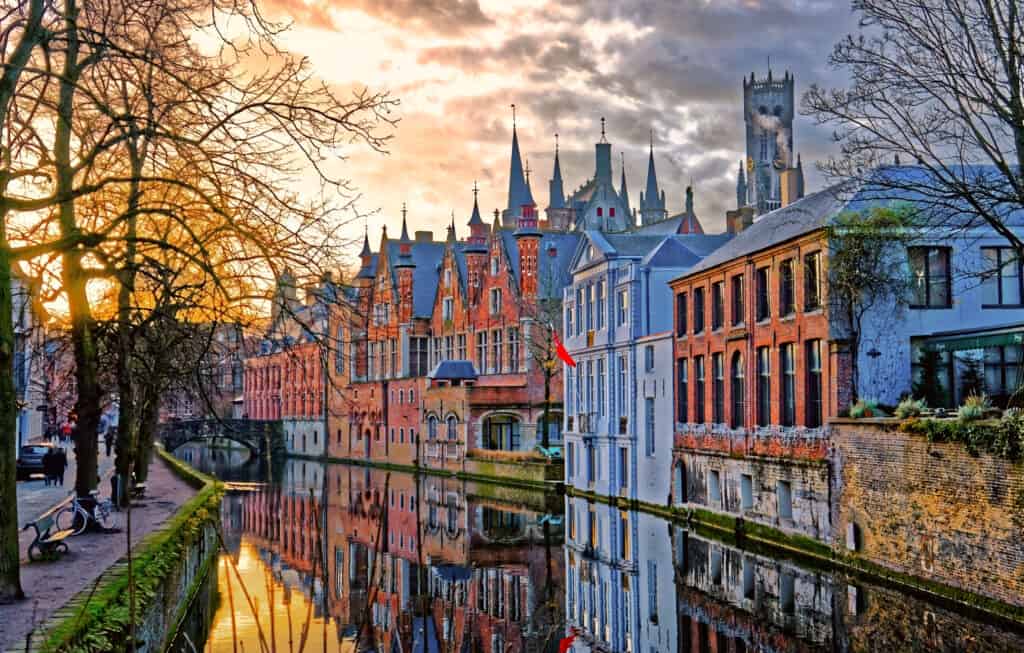
Bruges has tightened rules for organized tourist walks in its medieval center, leaning on a municipal by-law and code of conduct that favor smaller groups and discourage stopping in narrow streets. Tour apps tend to herd people toward the same postcard viewpoints, which can create a repeating pattern of clusters that block doorways, squeeze sidewalks, and raise the noise floor in places built for horses, not crowds. By shrinking group size and managing where guides can pause, Bruges aims to keep the story in the streets without letting the streets disappear under the story.
Kyoto, Japan

Kyoto’s Gion area has made one message unmistakable: some lanes are not for sightseeing traffic, so parts of the district barred tourists from entering certain private alleys, backed by signs and fines. Self-guided routes and tour apps often funnel people into those passages because they look cinematic and hidden, even when they function as quiet residential shortcuts with front doors inches away. When access is restricted, an app itinerary can become unusable in the very spot it wants to highlight, and the district signals that privacy is part of its heritage, not an obstacle to be gamed.
Dubrovnik, Croatia
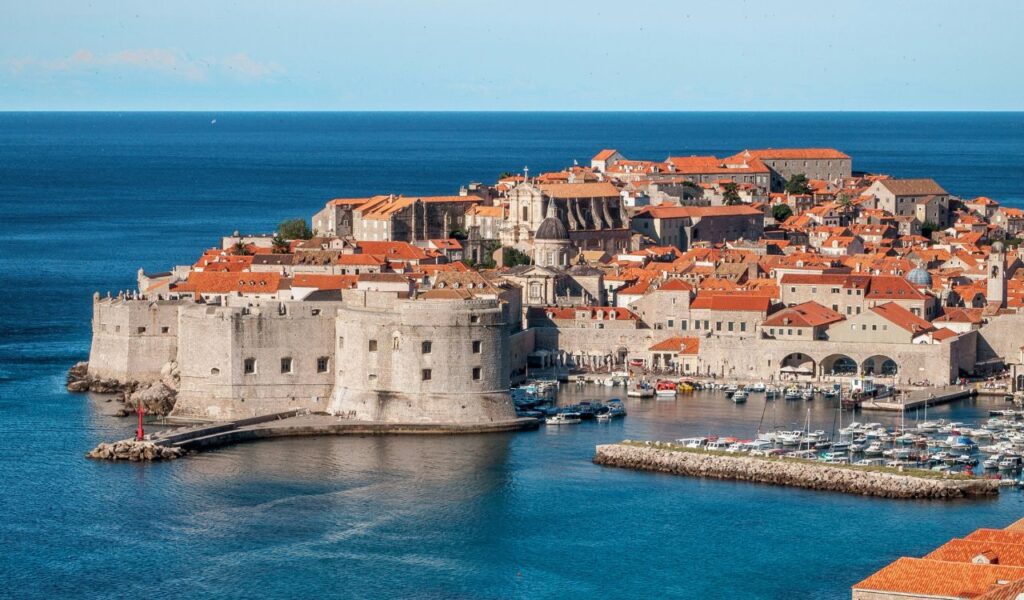
Dubrovnik treats its walled old town like a space with a measurable carrying capacity, using entry counting at gates and planning to slow or restrict access as numbers rise. That matters to app-led tours that sell perfect timing and smooth flow, because a city that manages its entrances can break the neat logic of a preplanned route in a single busy hour. When entry is controlled, organized groups lose certainty, and the city gains leverage over how tourism moves through its most delicate streets, including when to stagger arrivals and where to disperse.
New Orleans, Louisiana
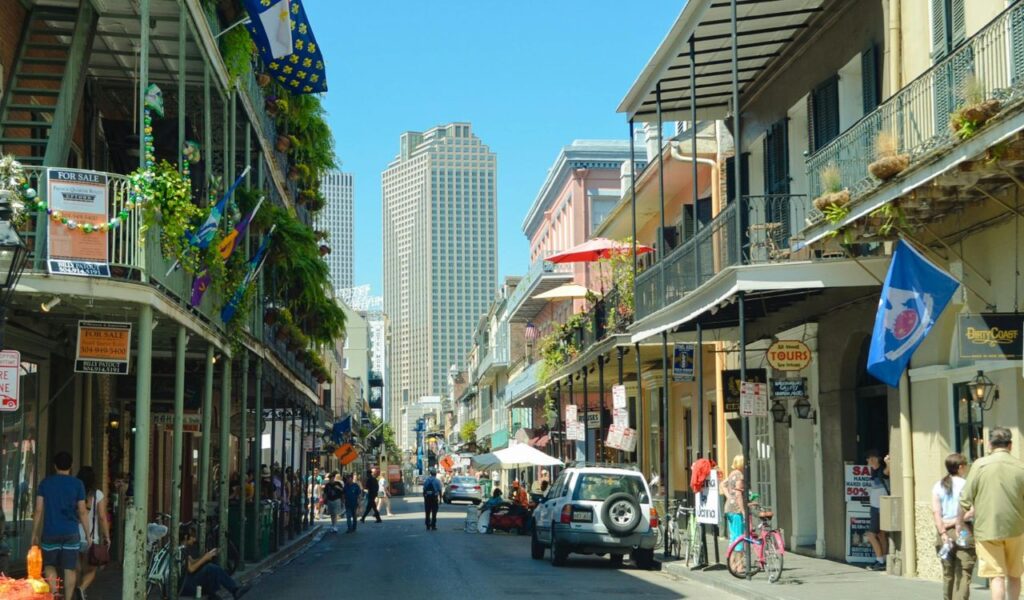
In the French Quarter, New Orleans regulates tour activity as a licensed business, with permits and street-level rules that shape how walking tours operate in crowded blocks. That matters for app marketplaces that try to match visitors with guides on demand, because the platform can make a tour feel casual even when local law treats it as regulated work with oversight. The phone can sell the experience, but the city still decides who can legally lead it, what behavior is expected, and how commercial guiding fits into Quarter life without turning sidewalks into a queue.
Savannah, Georgia
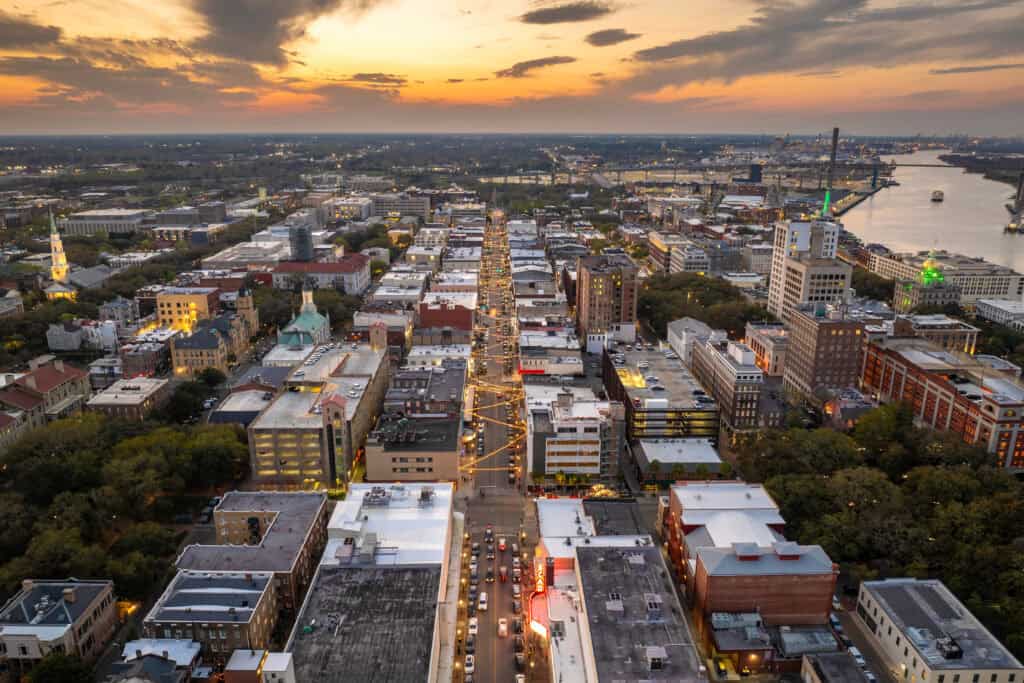
Savannah’s historic district runs on charm and enforcement, and the city regulates tour services for hire through ordinances, permits, and operational requirements that govern how tours use streets, stops, and vehicles. App-based tour businesses can scale quickly, but the district is not a blank canvas for unlimited operators, and regulation is designed to keep traffic, noise, and congestion from swallowing daily life. When licensing and program rules are applied, the friction returns in a useful way, and the neighborhood avoids becoming a nonstop rolling set.
Other Blog Posts You Might Enjoy
www.idyllicpursuit.com (Article Sourced Website)
#Cities #Banning #Tour #Guide #Apps #Historic #Districts #Idyllic #Pursuit