
We may earn money or products from the companies mentioned in this post. This means if you click on the link and purchase the item, I will receive a small commission at no extra cost to you … you’re just helping re-supply our family’s travel fund.
Some beaches used to quiet down after sunset, when the day’s heat faded and the shoreline returned to locals. Now, in pockets of the country, nightfall signals speakers, pop-up parties, and boardwalk energy that drifts onto sand. Residents talk less about fun and more about cleanup, blocked walkways, and the uneasy mix of alcohol, loud music, and water. Cities respond with curfews, tighter rules, and a heavier police presence, trying to keep the coast from feeling like an open-air club.
South Beach, Miami Beach, Florida
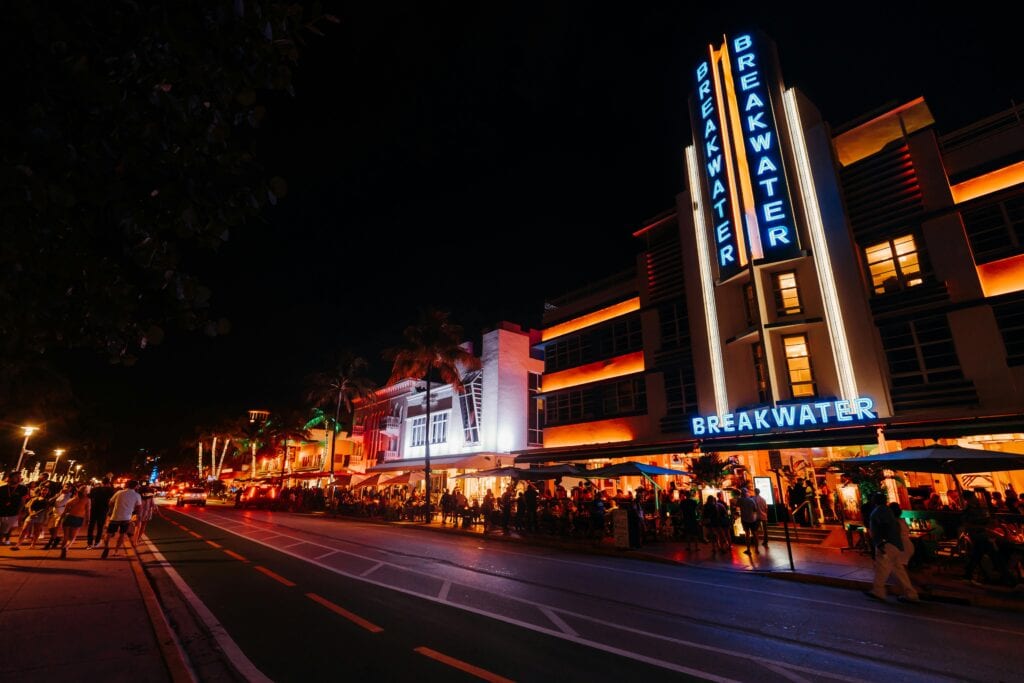
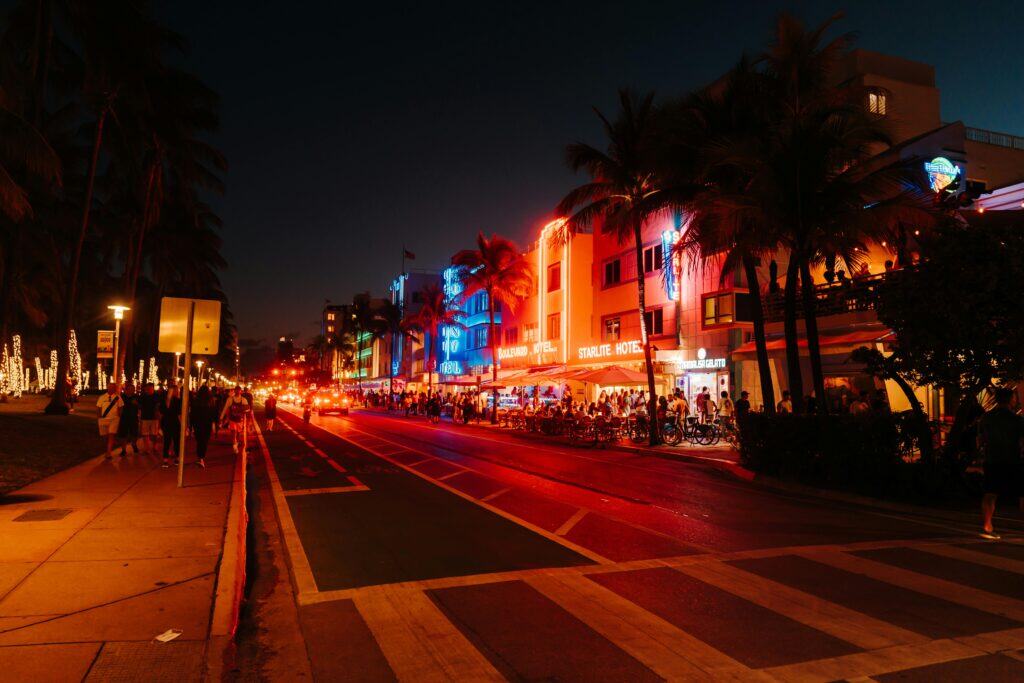
On weekends and spring break peaks, South Beach can feel like a DJ set with an ocean backdrop, with clusters gathering near Ocean Drive and the Lummus Park edge until the mood tips from festive to frayed. Miami Beach has responded with a hard reset during high-impact periods: earlier beach closures, restricted access points, bag checks, and rules that ban alcohol, coolers, and portable speakers on the sand. Locals say the goal is not to drain the fun, but to stop the shoreline from functioning like a free, unlicensed venue where noise, litter, and confrontations linger long after midnight, when everyone is tired and tempers spike.
Panama City Beach, Florida
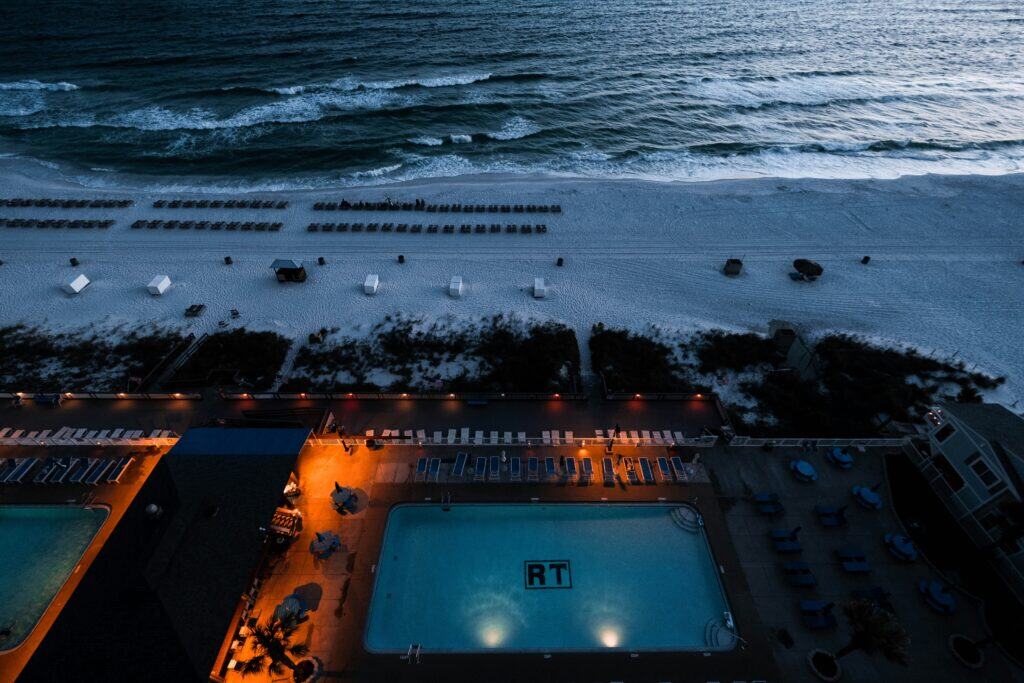
Panama City Beach has spent years trying to outgrow its party-beach reputation, and residents describe the loudest nights as a stress test for workers who still have to open shops at 7 a.m., then pick up trash after close. To change the tone, the city leans on seasonal guardrails, including a March alcohol ban on the sandy beach, plus messaging and policing that pressure crowds to keep gatherings smaller, earlier, and less aggressive after dark. It does not erase nightlife, but it shortens the fuse, keeping the sand from turning into a roaming bar where trash, arguments, and rescues pile up during peak weeks, especially near the pier.
Ocean City Beach, Maryland
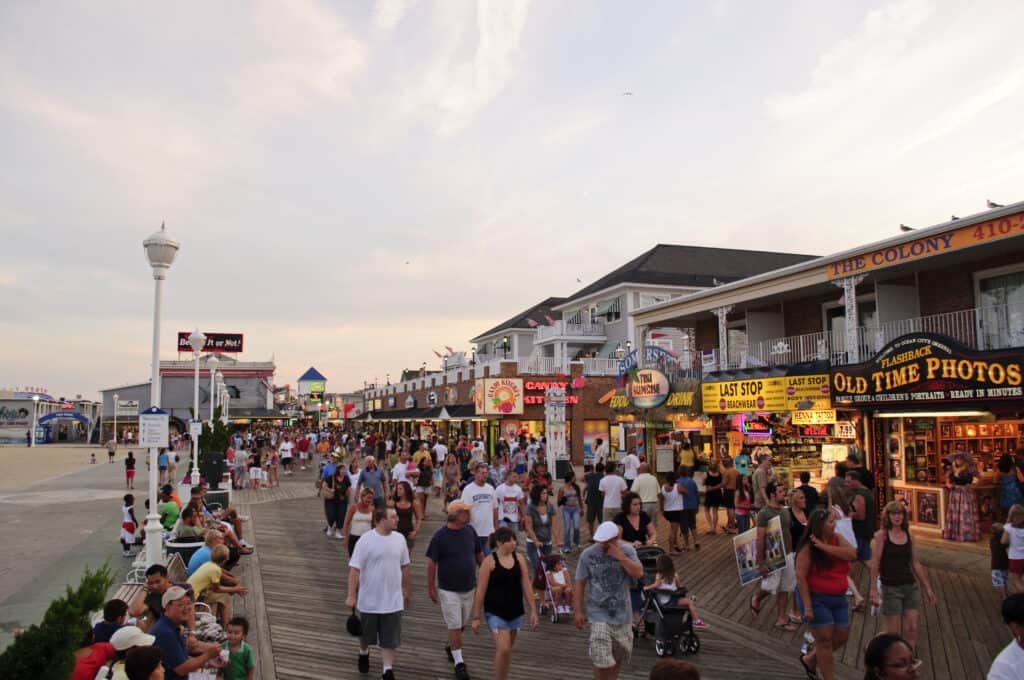
Ocean City’s boardwalk lights invite late-night wandering, yet the beach itself is treated less like a hangout and more like a space with firm boundaries, especially once the lifeguards are gone. Local ordinances prohibit alcohol on the beach and bar access to the sand overnight, a practical attempt to keep dunes from becoming an after-hours dining room with bottles, speakers, and scattered food. When enforcement is visible, the mood shifts fast, and locals argue that is the point: a quieter shoreline reduces falls, deters glass in the sand, and keeps the emergency dispatch radio calmer for crews, and safer for late walkers and lifeguards.
Wildwood Beach, New Jersey
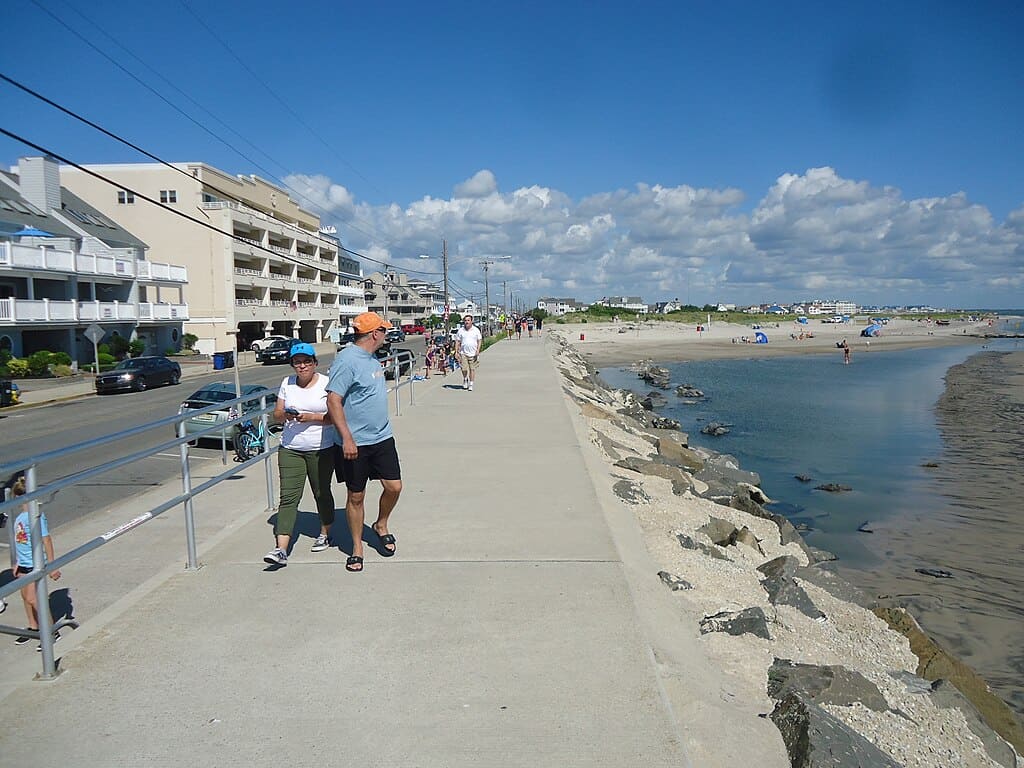
Wildwood’s summer buzz can flip quickly when big groups pour off the boardwalk and treat the beach like an extension of nightlife, complete with music, flashing lights, and crowd surges that families do not expect. After repeated disorder concerns, the city passed an ordinance banning alcohol possession on the beach and boardwalk, then paired it with season safety measures meant to prevent unsanctioned pop-up parties. The beach still hosts joy, but locals say the rules draw a boundary between a loud night out and a situation that overwhelms police, EMS, and cleanup crews, especially during holiday weekends and big event nights.
Mission Beach, San Diego, California
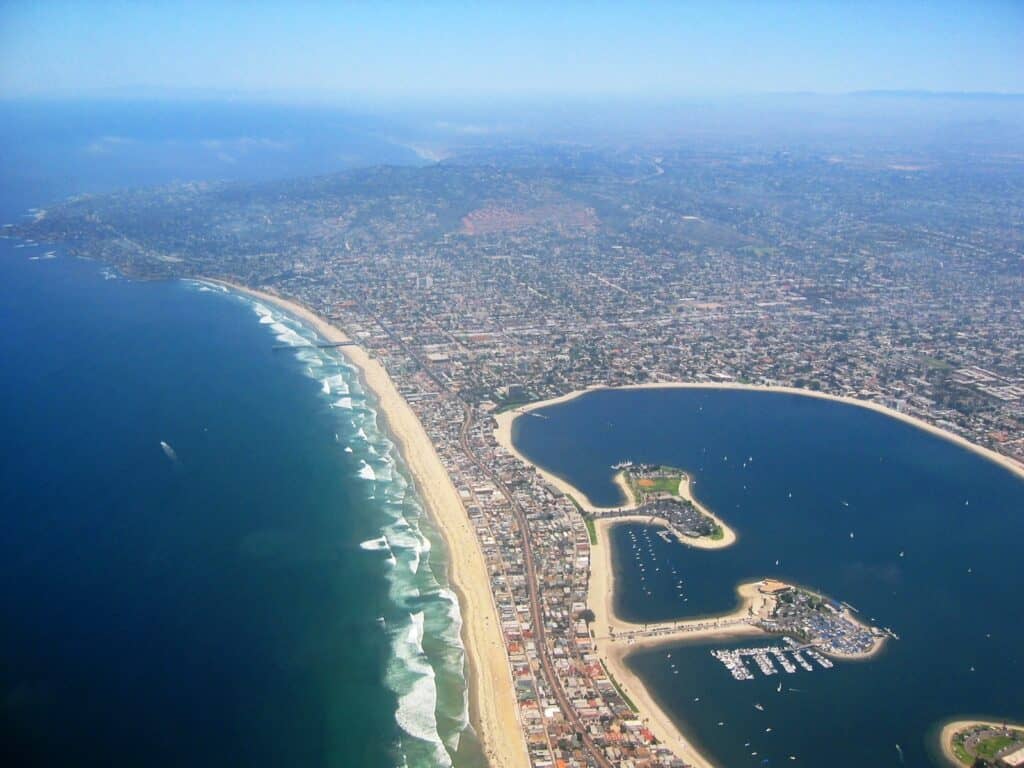
Mission Beach has long carried a party reputation, but San Diego’s beach rules made the sand a tougher place to treat like an all-night bar, even when the boardwalk stays lively. City regulations prohibit alcohol consumption in beach areas, and locals credit the restriction with changing how bonfire nights behave, cutting down on the cycle of drinking, drifting into the water, and late-night confrontations. The energy still shows up in laughter and music from patios, yet the shoreline has clearer lines, which residents see as the difference between beach life and beach chaos when crowds spill over after bars close and boardwalk lights glow.
Virginia Beach Oceanfront, Virginia
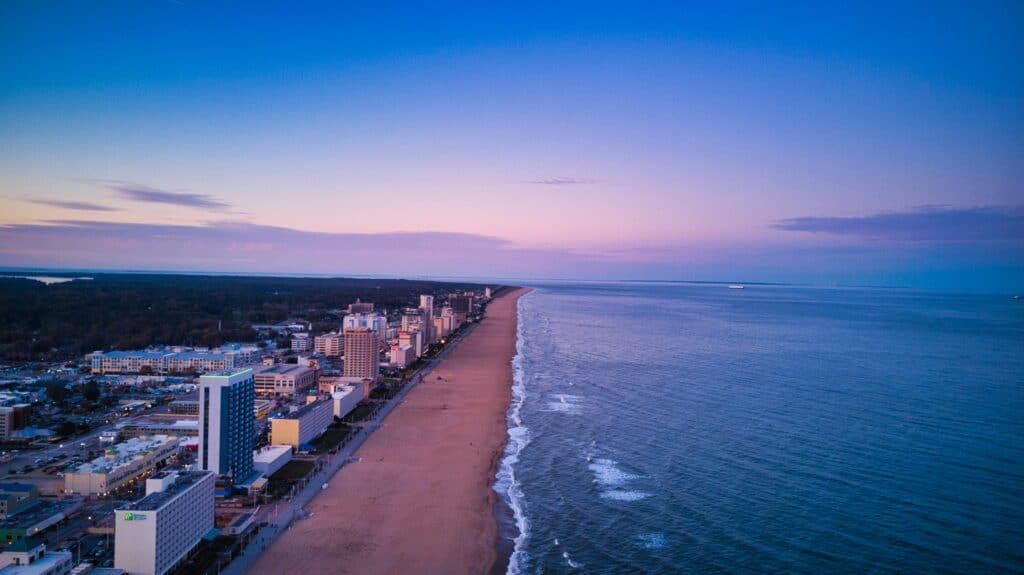
Virginia Beach’s Oceanfront can look calm from a distance, but locals talk about summer nights when hotel decks, concert spillover, and strip crowds turn the waterfront into one long pregame that runs on portable speakers. City beach rules prohibit public alcohol consumption and also ban sleeping on the beach overnight, both aimed at keeping the shoreline from becoming a late-night campsite with coolers, cans, and loud arguments. Patrols rise with the temperature, and residents say visible enforcement is the only thing that keeps the sand feeling like a public beach instead of a nightly block party near the dunes and high-rise hotels.
Clearwater Beach, Florida

Clearwater sells a softer kind of beach day, yet locals still notice how quickly a sunset crowd can morph into an outdoor party when bars empty at once and music drifts down the shoreline with the sea breeze. City rules prohibit alcohol on Clearwater’s public beaches, and the ban does quiet the scene, especially on warm weekends when one open container can invite a whole line of copycats. The payoff is subtle but real: fewer broken bottles, fewer confrontations near the surf, fewer late-night sirens, and fewer mornings that start with staff sifting cans from sand, then hosing sticky spills off walkways before breakfast crowds arrive.
Newport Beach, California
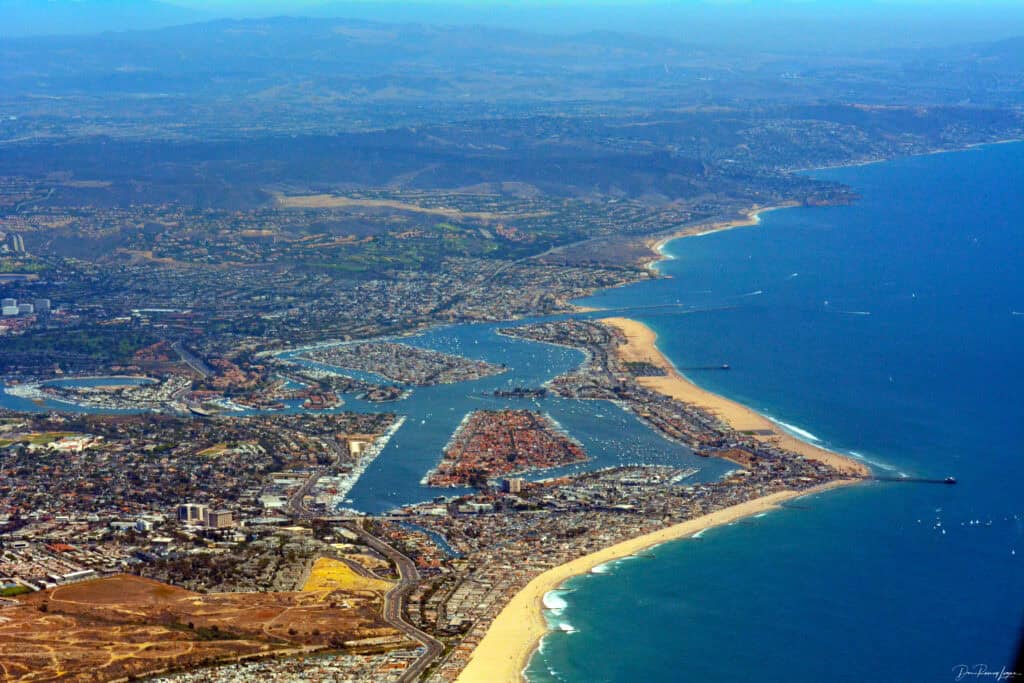
Newport’s beach culture is polished, but the same ingredients show up on busy nights: portable speakers, group photos, and pockets of people who linger like they are waiting for a beat drop, then keep turning the volume up. City guidance for public beaches prohibits alcohol and amplified sound, a clear signal that the sand is not an outdoor lounge, even when the boardwalk energy feels tempting. Locals defend the strictness because the beach sits inches from homes, sidewalks, and traffic, and a little nightlife swagger can turn into a noisy, parking-clogged mess that outlasts the sunset and clogs neighborhood streets, and triggers complaints.
Waikīkī Beach, Honolulu, Hawaii
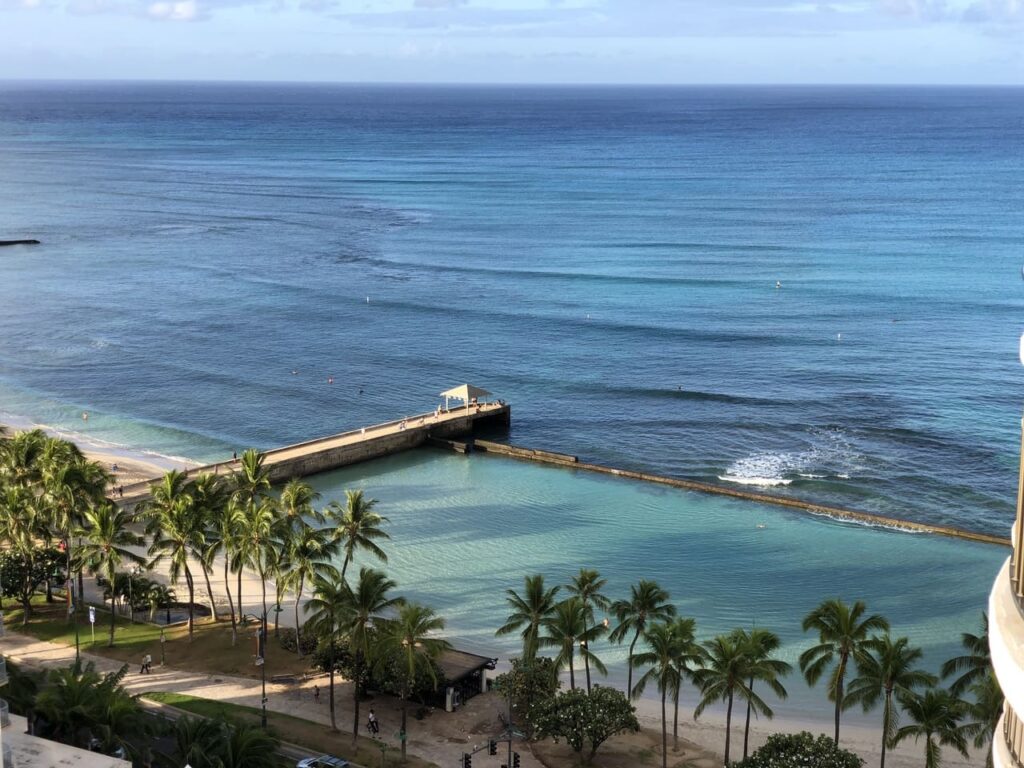
Waikīkī is bright, crowded, and filmed constantly, which makes nighttime gatherings feel performative in a way locals find tiring, especially when music, shouting, and bottles enter the frame. Honolulu restricts intoxicating liquor in public areas such as parks, and enforcement around the shoreline tends to tighten when late-night drinking and noise pick up near the sandline, seawall, and hotel fronts. The beach remains open and welcoming, but the tone changes when staff and police are clearly asking groups to move along, lower volume, and stop treating the shore like a street party with waves and neon signage and speaker bass.
Myrtle Beach, South Carolina
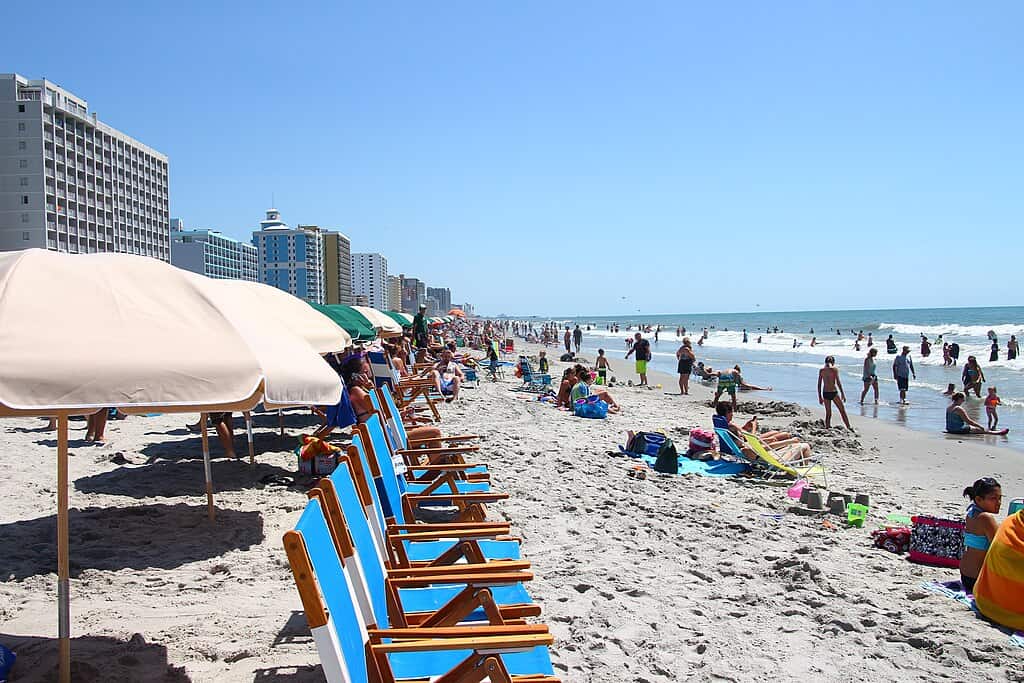
Myrtle Beach thrives on evening energy, and locals often describe the loudest stretches as beach town fun that sometimes crosses into nightclub volume once the boardwalk fills and music carries over the dunes. City noise rules give police a tool to address sound that runs late and loud, especially when crowds surge for festivals, holiday weekends, and humid summer nights when windows stay open in nearby condos. Residents say the goal is simple: keep the coast lively, but not so loud that families, workers, and neighbors feel pushed out of their own shoreline after dark, or wake to cans in the sand and music echoes between towers.
Other Blog Posts You Might Enjoy
www.idyllicpursuit.com (Article Sourced Website)
#Beaches #Locals #Turned #Outdoor #Nightclubs #Idyllic #Pursuit